
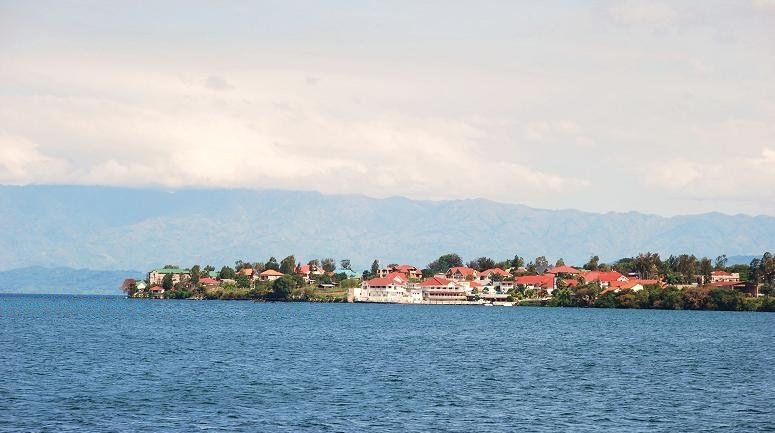
Fighting between the Democratic Republic of Congo armed forces (FARDC) and M23 rebels has pushed eastern DRC to what aid workers and UN officials describe as a humanitarian breaking point. Goma, the capital of North Kivu province and a city of nearly 800,000 people, has found itself at the epicenter of a crisis that has displaced hundreds of thousands, disrupted humanitarian operations, and exposed civilians to crossfire, arbitrary arrests, and sexual violence on a horrifying scale. As of April 2026, the situation in and around Goma represents one of the most acute displacement emergencies in the world.
The M23 Offensive and Military Setbacks
The M23 rebellion — named after a March 23, 2009 peace agreement that Kinshasa failed to implement — resumed hostilities in late 2021 and has since seized vast swaths of territory in North Kivu and neighbouring provinces. The group, which the UN and multiple governments have documented as receiving direct military support from Rwanda, has inflicted a series of defeats on FARDC units, capturing towns, mines, and key transport routes. In the most recent offensive documented through April 2026, M23 forces advanced to within kilometres of Goma's city limits on multiple axes, prompting the temporary suspension of several NGO operations and the evacuation of non-essential UN personnel.
Civilians Caught in the Crossfire
The human cost of the fighting has been catastrophic. Displacement camps around Goma — including Bulengo, Kanyaruchinya, and others — have seen their populations swell far beyond their intended capacity. The UN Refugee Agency reported in early 2026 that over 1.5 million internally displaced persons were sheltering in the Goma area alone, many in sites that lack adequate sanitation, clean water, or healthcare. Cholera outbreaks have been a recurring threat in these overcrowded camps. FARDC units have been accused of arbitrary arrests and the targeted killing of young men in Goma neighbourhoods suspected of supporting M23 fighters. M23 offensives have been marked by mass sexual violence and the forced recruitment of children.
Regional Dimensions: Rwanda and the Wider Great Lakes Crisis
The DRC conflict cannot be understood in isolation from the wider Great Lakes geopolitics. Rwanda's involvement, consistently denied by Kigali but documented in detail by UN expert groups, has been a defining feature of the conflict for three decades. Rwanda cites the need to secure its border against Hutu FDLR militia as justification for its interventions. Critics point to the systematic exploitation of DRC's vast mineral wealth — coltan, cobalt, gold, and tin — as the primary driver. Uganda has also deepened its military involvement, openly backing FARDC operations against M23. Angola has attempted to mediate through the East African Community and African Union, but ceasefires brokered in 2025 and early 2026 have repeatedly broken down within days of being announced.
Conclusion
The crisis in Goma is a reminder that the Democratic Republic of Congo remains one of the world's most chronically under-reported humanitarian catastrophes. Without a credible and enforced ceasefire, meaningful disarmament programming, and a genuine regional diplomatic process, the cycle of displacement, violence, and exploitation that defines North Kivu shows no sign of ending. Goma holds on — but barely.