 (No Ratings Yet)
 Loading...
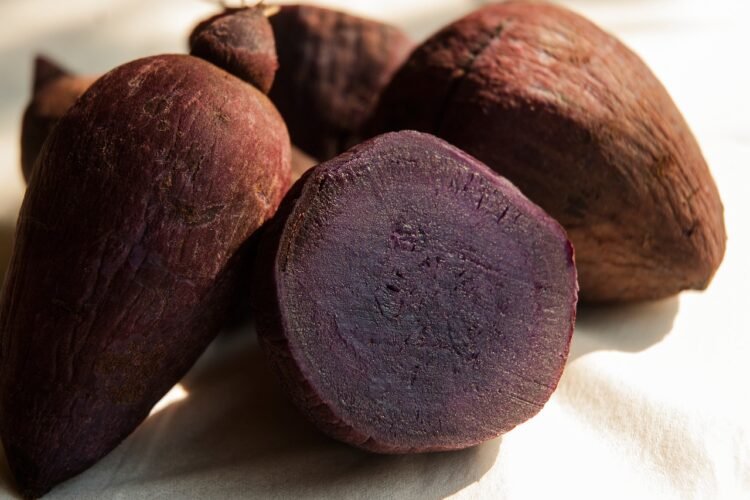
Taro Boili is a beloved Guinean staple where starchy taro roots are gently boiled until tender and served hot with a fragrant, fiery red palm oil dip. The mild nutty sweetness of the taro balances beautifully against the smoky, pepper-laced oil, making this a satisfying snack or side across Guinea's bustling markets and family tables.
Prep Time15 mins
Cook Time30 mins
Total Time45 mins
Servings4
Yield4 servings (about 2 lbs cooked taro with ¼ cup dip)
Nutrition Facts
Per serving (estimated)
- 280 kcalCalories
- 15 gFat
- 6 gSaturated Fat
- 34 gCarbs
- 5 gFiber
- 1 gSugar
- 2 gProtein
- 640 mgSodium
- 720 mgPotassium
- 60 mgCalcium
- 1 mgIron
- 8 mgVitamin C
- 180 mcgVitamin A
Ingredients
For the Boiled Taro
- 2 ½ lbs fresh taro root (about 4-5 medium roots, scrubbed)
- 6 cups water, or as needed to cover
- 1 tbsp coarse sea salt
- 1 tsp baking soda (optional, helps tenderize)
- 1 bay leaf (optional, for subtle aroma)
For the Spicy Palm Oil Dip
- ¼ cup unrefined red palm oil
- 1 scotch bonnet or habanero pepper, seeded and finely chopped
- 2 cloves garlic, minced
- 1 small red onion, finely diced (about ⅓ cup)
- 1 tbsp fresh lime juice
- ½ tsp fine sea salt, or to taste
- 1 lime, cut into wedges, for serving
- ¼ tsp ground dried shrimp (optional, for umami depth)
Directions
- Wash the taro roots thoroughly under cold running water and scrub the hairy skin with a vegetable brush to remove all soil and rootlets.
- Fill a large heavy pot with the 6 cups of water, add the salt, baking soda (if using), and bay leaf, then bring to a rolling boil over high heat.
- Carefully lower the whole unpeeled taro roots into the boiling water using tongs. Reduce heat to medium and cook at a steady boil for 25-30 minutes, until a fork slides easily into the thickest part.
- While the taro cooks, prepare the dip: warm the red palm oil in a small saucepan over low heat for about 2 minutes, just until fragrant and loosened — do not let it smoke or it will turn bitter.
- Remove the pan from the heat and stir in the garlic, scotch bonnet, and diced onion. Let the mixture steep for 5 minutes so the aromatics soften and infuse the oil.
- Stir in the lime juice, fine salt, and ground dried shrimp (if using). Taste and adjust salt; the dip should be intensely savory with a slow-building heat.
- Carefully drain the cooked taro, reserving ½ cup of the cooking water. Return the taro to the empty pot, cover with a lid, and let rest for 2 minutes to steam-dry the skins.
- To eat, pinch the soft skin at one end and pull it away from the tender flesh, or score lengthwise with a paring knife. Take care — escaping steam can burn fingers.
- Arrange the hot peeled taro on a warm platter with the bowl of spicy palm oil dip on the side and the lime wedges for squeezing. Dip each piece generously into the oil before eating.
Cook’s Notes
- Always wear kitchen gloves when handling raw taro — its surface contains calcium oxalate crystals that can irritate sensitive skin and cause itching.
- Choose firm, heavy taro roots with intact, hairy skin and no soft spots or mold; smaller roots cook more evenly than oversized ones.
- Do not overcook the taro or it will turn waterlogged and mealy. Start checking at the 22-minute mark with a fork test.
- If red palm oil is unavailable, substitute another unrefined palm fruit oil or a mix of olive oil and a pinch of smoked paprika for color.
- Serve the taro piping hot — cooled taro becomes gummy and loses its appealing nutty, slightly sweet character.