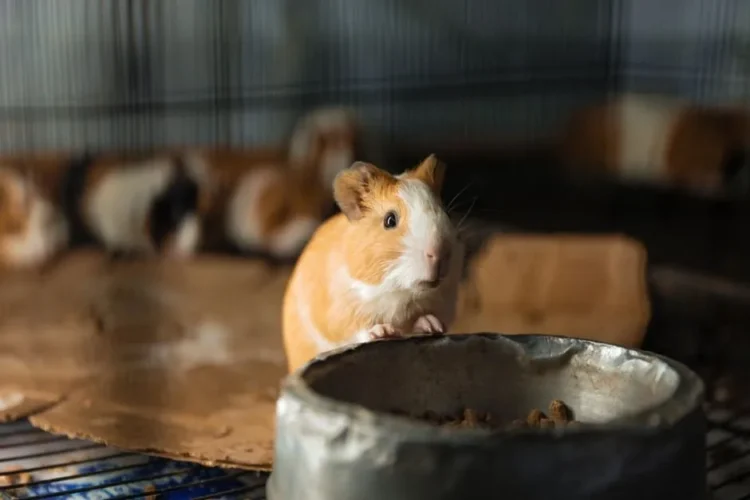
Guinea pig, known as cuy in the Andes, is a small domesticated rodent raised and eaten as a lean, high-protein specialty meat across the Andean highlands and in parts of West Africa and the Caribbean. It is most famously prepared whole-roasted or breaded-and-fried in Peruvian and Ecuadorian cuisine, where it is reserved for celebrations and family gatherings.
History & Origins
Domesticated by indigenous Andean peoples between roughly 3000 and 5000 BCE from wild Montane cavy relatives, the guinea pig was first kept for ritual offerings and as a compact household protein source suited to high-altitude subsistence farming. After Spanish contact in the 1530s the animal was carried to Europe and beyond, becoming a laboratory model and household pet globally, while remaining a cherished table meat in Andean communities, especially through dishes such as cuy al horno and cuy chactado.
Nutrition Facts
Per 100 g, edible portion (estimated)
- 146 kcalCalories
- 28 gProtein
- 3.5 gFat
- 0 gCarbs
- 380 mgPotassium
- 5.2 mgIron
Culinary Uses
- Roasted whole on a spit or in an oven (cuy al horno), traditionally served with potatoes and aji sauces
- Breaded, flattened and fried until crispy (cuy chactado), a festive Ecuadorian preparation
- Simmered into hearty soups and stews such as sopa de cuy or caldo de cuy
- Grilled on skewers (anticuchos de cuy) over open flame with garlic and cumin marinade
Known Benefits
- Exceptionally high lean protein content relative to its fat
- Rich source of heme iron and vitamin B12
- Lower in saturated fat than most conventional red meats
- Provides notable levels of zinc, selenium and niacin
Hidden Benefits
- Contains all essential amino acids in proportions favorable for muscle maintenance
- Provides conjugated linoleic acid (CLA) and omega-3 fatty acids when animals are forage-fed
- Cultural protein security role in high-altitude regions where larger livestock struggle
- Traditional preparation retains organ meats and skin, increasing micronutrient density
Cautions & Considerations
- Limited legal availability and unfamiliar gamey flavor may deter first-time consumers
- Must be cooked thoroughly to temperatures above 74 °C to eliminate parasites and pathogens such as Yersinia and Trichinella
- Hair singeing and skin charring step requires careful ventilation to avoid respiratory irritation
- Potential allergen cross-reactivity for those sensitive to other rodent proteins





