 (No Ratings Yet)
 Loading...
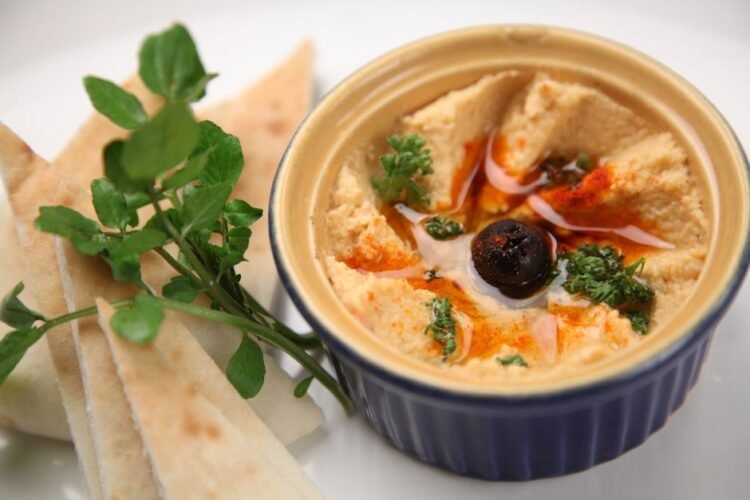
Msabbaha is Palestine's beloved warm chickpea breakfast bowl — a rustic, chunky cousin of smooth hummus served hot and finished with a pool of green olive oil. Unlike its silky sibling, the texture stays loose and rustic so each spoonful carries whole beans and nutty tahini. It's the kind of dish eaten standing at a café counter with fresh pita in hand.
Prep Time15 mins
Cook Time75 mins
Total Time90 mins
Servings4
Yield4 servings
Nutrition Facts
Per serving (estimated)
- 385 kcalCalories
- 22 gFat
- 3 gSaturated Fat
- 38 gCarbs
- 10 gFiber
- 5 gSugar
- 13 gProtein
- 470 mgSodium
- 540 mgPotassium
- 130 mgCalcium
- 4.5 mgIron
- 11 mgVitamin C
- 55 mcgVitamin A
Ingredients
For the chickpea base
- 1 1/2 cups (300 g) dried chickpeas, soaked overnight (or 3 cans, 400 g each, drained)
- 1 tsp baking soda (only for dried chickpeas)
- 1 small dried bay leaf
- 4 cups water for cooking
For the tahini sauce
- 1/2 cup (120 g) well-stirred tahini
- 1/4 cup (60 ml) fresh lemon juice (about 1 1/2 lemons)
- 2 cloves garlic, finely grated
- 1 tsp ground cumin
- 1/2 tsp fine sea salt, plus more to taste
- 1/3 cup (80 ml) ice-cold water
For serving
- 3 tbsp extra-virgin olive oil, divided
- 2 tbsp toasted pine nuts or slivered almonds
- 1 tsp ground sumac or sweet paprika
- 1/2 tsp Aleppo pepper or chili flakes
- 1/4 cup fresh flat-leaf parsley, chopped
- Warm pita bread, for serving
Directions
- Drain the soaked chickpeas, place them in a heavy pot with the baking soda and bay leaf, cover with 4 cups of fresh water, and bring to a boil. Reduce heat and simmer 60-90 minutes until the chickpeas are very tender and beginning to break down; skim any foam. If using canned chickpeas, warm them gently in their liquid for 10 minutes to soften.
- Reserve about 1/2 cup of the warm cooked chickpeas for the topping and set aside. Drain the rest, discarding the bay leaf, but keep 1/2 cup of the cooking liquid.
- Make the tahini sauce by whisking tahini, lemon juice, garlic, cumin, and salt in a bowl. The mixture will seize up — slowly drizzle in the ice water while whisking until it turns pale, creamy, and pourable, about the texture of warm honey.
- Tip the drained warm chickpeas into a wide bowl and coarsely mash about two-thirds of them with a fork or potato masher, leaving plenty of texture and whole beans intact. Pour the tahini sauce over and fold gently to combine, loosening with a splash of the reserved cooking liquid until warm, loose, and spoonable.
- Taste and adjust with more salt and lemon. The hummus should be warm, glossy, and slightly soupy — looser than classic hummus.
- Spoon into shallow bowls, make a well in the center, and pool 2 tablespoons of olive oil in it. Scatter the reserved whole chickpeas on top, then the pine nuts, sumac, Aleppo pepper, and parsley. Finish with the remaining tablespoon of olive oil and serve immediately with warm pita.
Cook’s Notes
- The baking soda in the cooking water softens dried chickpeas faster and gives a creamier mash — rinse them well before mashing so no soapy taste remains.
- Always whisk tahini with ice-cold water; warm or room-temp water can split the emulsion and leave it grainy.
- Msabbaha is meant to be eaten warm, not hot — let it rest 2 minutes after mashing so the tahini flavor mellows rather than tastes sharp.
- For a more traditional Palestinian touch, stir a heaped tablespoon of Palestinian-style ghee (hamed) into the mash just before serving.
- Leftovers keep 2 days refrigerated; reheat gently with a splash of water to loosen, then refresh the toppings before serving.