 (No Ratings Yet)
 Loading...
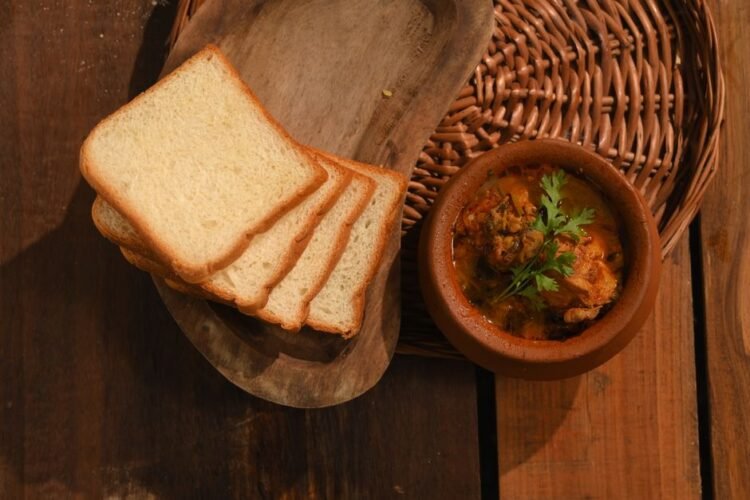
This Kerala-style pumpkin curry, traditionally known as erissery, combines tender pumpkin with protein-rich black chickpeas in a fragrant coconut base. It's a staple of the Onam sadya feast, prized for its creamy texture and the subtle sweetness of pumpkin balanced with roasted coconut and curry leaves. Best enjoyed with steamed red rice or soft appam.
Prep Time15 mins
Cook Time35 mins
Total Time50 mins
Servings4
Yield4 servings
Nutrition Facts
Per serving (estimated)
- 285 kcalCalories
- 16 gFat
- 12 gSaturated Fat
- 28 gCarbs
- 7 gFiber
- 4 gSugar
- 8 gProtein
- 380 mgSodium
- 620 mgPotassium
- 60 mgCalcium
- 3.5 mgIron
- 12 mgVitamin C
- 380 mcgVitamin A
Ingredients
For the curry
- 3 cups red pumpkin or butternut squash, peeled and cubed (about 500 g)
- 1 cup dried black chickpeas, soaked overnight (or 2 cups canned, drained and rinsed)
- 2 cups water, plus more as needed
- 1/2 tsp turmeric powder, divided
- 2 green chilies, slit lengthwise
- 1 tsp salt, or to taste
For the coconut paste and masala
- 1 1/2 cups fresh grated coconut, divided
- 1 1/2 tsp cumin seeds, divided
- 1 inch piece fresh ginger, peeled
For the tempering (tadka)
- 2 tbsp cold-pressed coconut oil
- 1 tsp black mustard seeds
- 2 dried red chilies, broken into pieces
- 1 sprig fresh curry leaves (about 10 leaves)
- 2 small shallots, thinly sliced
Directions
- Drain the soaked black chickpeas and place them in a pressure cooker with 2 cups water and 1/4 tsp turmeric. Pressure cook for 15 to 20 minutes (about 4 to 5 whistles) until tender but still holding shape. If using canned chickpeas, simply warm them in 1/2 cup water with the turmeric.
- Add the cubed pumpkin to the cooked chickpeas along with the remaining 1/4 tsp turmeric, slit green chilies, and salt. Cover and simmer gently for 10 to 12 minutes until the pumpkin is fork-tender but not falling apart. Splash in a little water if the pot looks dry.
- Meanwhile, make the fresh coconut paste: blend 1 cup of the grated coconut with 1 tsp cumin seeds, the ginger, and 1/4 cup warm water until completely smooth and thick.
- Stir the fresh coconut paste into the simmering pumpkin and chickpeas. Cook on low heat for 4 to 5 minutes, stirring occasionally, allowing the coconut milk to absorb into the curry without mashing the pumpkin.
- For the signature roasted coconut masala, heat a small dry skillet over medium heat and toast the remaining 1/2 cup grated coconut with 1/2 tsp cumin seeds until deep golden, about 3 to 4 minutes. Cool slightly, then pulse in a small blender with 2 tablespoons of water to form a coarse, fragrant paste.
- Fold the roasted coconut paste into the curry and simmer 2 to 3 more minutes. The curry should look thick, glossy, and creamy. Remove from heat.
- Prepare the tempering: heat the coconut oil in a small pan over medium-high until shimmering. Add the mustard seeds and let them splutter, then add the dried red chilies, curry leaves, and sliced shallots. Fry for about 1 minute until the shallots turn translucent and the curry leaves are crisp and aromatic.
- Pour the entire tempering, oil and all, over the curry. Cover and let the flavors infuse for 5 minutes before serving hot with steamed Kerala red rice, matta rice, or soft appam.
Cook’s Notes
- Red pumpkin (mathanga) gives the most authentic flavor, but butternut or kabocha squash work beautifully as easy substitutes.
- Do not skip the dry-roasted coconut paste — it is the signature nutty depth that distinguishes erissery from other pumpkin curries.
- Add a pinch of baking soda to the soaking water overnight to help the black chickpeas cook faster and more evenly.
- For a richer festival-style erissery, stir in 1/4 cup cooked cowpeas or red kidney beans alongside the chickpeas.
- Always use cold-pressed virgin coconut oil for the tempering; its aroma is essential to authentic Kerala flavor.