 (No Ratings Yet)
 Loading...
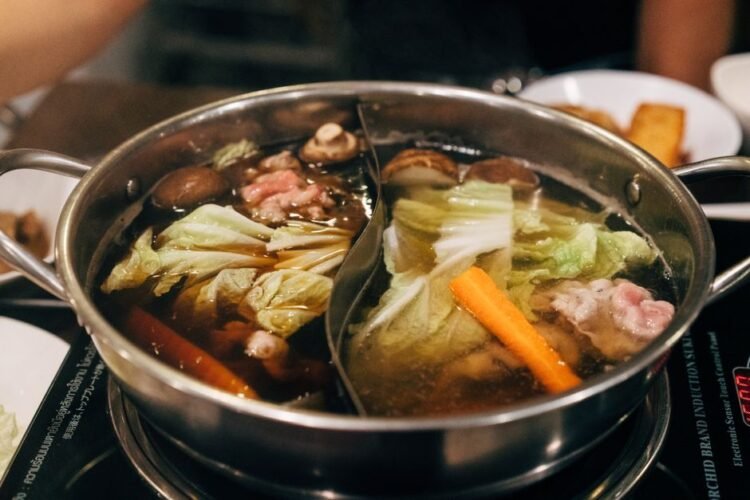
A luxurious take on Japan's beloved communal hot pot, this premium version features paper-thin slices of A5 wagyu swished through a delicate kombu broth alongside crisp seasonal vegetables. Each morsel cooks in seconds, melting into buttery tenderness, then gets dipped into classic ponzu or sesame sauce for the ultimate umami experience.
Prep Time25 mins
Cook Time15 mins
Total Time40 mins
Servings4
Yield4 servings
Nutrition Facts
Per serving (estimated)
- 520 kcalCalories
- 28 gFat
- 9 gSaturated Fat
- 32 gCarbs
- 4 gFiber
- 5 gSugar
- 32 gProtein
- 780 mgSodium
- 820 mgPotassium
- 140 mgCalcium
- 4.5 mgIron
- 22 mgVitamin C
- 320 mcgVitamin A
Ingredients
For the kombu dashi broth
- 8 cups cold filtered water
- 4 pieces dried kombu (about 4 x 5 inches)
- 2 dried shiitake mushrooms
- 2 tbsp mirin
- 1 tbsp soy sauce
- 1 tsp sea salt
For the hot pot ingredients
- 450 g (1 lb) thinly sliced A5 wagyu beef, chilled
- 1/2 small napa cabbage, cut into 2-inch pieces
- 150 g enoki mushrooms, trimmed
- 6 fresh shiitake mushrooms, stems trimmed and scored
- 1 bunch shungiku (chrysanthemum greens) or baby spinach, trimmed
- 1 block (300 g) firm silken tofu, cut into 1-inch cubes
- 1 packet (200 g) shirataki noodles, drained and rinsed
- 1 large carrot, cut into thin angled slices
- 4 scallions, cut into 2-inch lengths
For the dipping sauces
- 1/2 cup ponzu sauce
- 2 tbsp citrus yuzu juice
- 1/4 cup toasted sesame sauce (neri goma)
- 2 tbsp soy sauce
- 1 tbsp rice vinegar
- 1 tbsp toasted white sesame seeds, plus more for garnish
- 1 daikon radish, finely grated
- 2 scallions, finely minced
- 2 fresh hot peppers (togarashi), finely minced
For serving
- 4 cups cooked short-grain Japanese rice
- 1 sheet dried kombu, torn (optional)
- 2 tbsp yuzu zest or citrus peel for garnish
Directions
- Prepare the kombu dashi at least 1 hour ahead: wipe the dried kombi and shiitake with a damp cloth (do not wash). Place them in cold filtered water and let steep for 30 minutes, then slowly heat to just below a simmer over medium-low heat, about 140°F. Remove the kombu just before the water boils to prevent bitterness, add the mirin, soy sauce, and salt, and steep the shiitake for another 15 minutes. Strain and keep warm in a tabletop donabe or electric hot pot.
- Arrange all hot pot ingredients on a large platter in separate sections: slice the chilled wagyu into manageable ribbons and fan out, group the napa cabbage, mushrooms, shungiku, tofu cubes, shirataki, carrot slices, and scallions so each diner can easily reach them.
- Prepare both dipping sauces in small bowls: in one bowl, combine the ponzu with citrus yuzu juice; in another, whisk the toasted sesame sauce with soy sauce, rice vinegar, and a splash of the dashi until smooth. Set out small dishes of grated daikon, minced scallions, sesame seeds, and minced chili so each diner can customize their dip.
- Bring the dashi broth to a gentle rolling simmer at the table. Using chopsticks or a small strainer, swish a slice of wagyu in the broth for 8-10 seconds until the meat turns pale pink and just curls. Dip immediately into either sauce and enjoy.
- Cook the vegetables by adding the heartier ones first (carrots, napa stems, shiitake), and after about 1 minute, add the leafy shungiku, enoki, and tofu cubes for another 30-60 seconds. Dip into sauce or spoon over rice. Repeat, replenishing the broth if needed.
- After the meat and vegetables are enjoyed, ladle the rich remaining broth into bowls and spoon over rice, or add udon noodles for a comforting finisher.
- Garnish the table with extra citrus zest, sesame seeds, and small dishes of fresh condiments to refresh the palate between bites.
Cook’s Notes
- For restaurant-quality slicing at home, place the wagyu in the freezer for 20-30 minutes to firm up before slicing paper-thin against the grain with a sharp knife.
- Never let the dashi boil vigorously: simmering too hard makes the broth cloudy and can extract bitter compounds from the kombu.
- Always cook the wagyu last or just before serving in fresh batches to keep the broth clean and prevent overcooking the delicate marbling.
- Save any leftover broth once the meal is finished: strain it, reduce slightly, and use it as a base for next-day udon or fried rice for incredible depth.
- Shungiku can be substituted with watercress or baby spinach, but the slightly bitter, herbal notes of true chrysanthemum greens elevate the authentic experience.