 (No Ratings Yet)
 Loading...
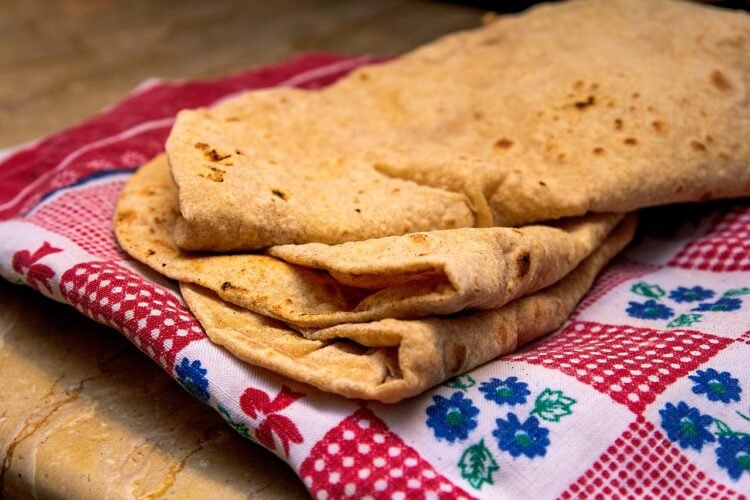
A pillowy Romagna-style flatbread wrapped around creamy squacquerone cheese, salty prosciutto, jammy fresh figs, and peppery arugula. Finished with a drizzle of honey and toasted walnuts, it is the kind of warm, melty sandwich you find in Italian hillside trattorias in late summer.
Prep Time20 mins
Cook Time20 mins
Total Time40 mins
Servings4
Yield4 stuffed piadine
Nutrition Facts
Per serving (estimated)
- 485 kcalCalories
- 20 gFat
- 7 gSaturated Fat
- 58 gCarbs
- 4 gFiber
- 14 gSugar
- 18 gProtein
- 740 mgSodium
- 380 mgPotassium
- 155 mgCalcium
- 3.5 mgIron
- 6 mgVitamin C
- 185 mcgVitamin A
Ingredients
For the piadina dough
- 300 g all-purpose flour
- 40 g softened unsalted lard (or olive oil)
- 1 tsp fine sea salt
- 1/2 tsp baking powder
- 160 ml whole milk, lukewarm
- Extra flour for dusting
For the filling
- 200 g squacquerone cheese, chilled
- 120 g thinly sliced prosciutto di Parma
- 8 fresh ripe figs, quartered
- 60 g baby arugula
- 40 g walnut halves, lightly toasted and chopped
- 2 tbsp acacia honey
- Freshly cracked black pepper, to taste
- Flaky sea salt, to taste
Directions
- In a large bowl, whisk the flour, salt, and baking powder. Add the lard and rub it into the flour with your fingertips until the mixture looks like coarse crumbs.
- Pour in the lukewarm milk and mix with a fork until a shaggy dough forms. Turn out onto a lightly floured surface and knead for 4-5 minutes until smooth and soft. Cover with a kitchen towel and rest for 15 minutes.
- Divide the dough into 4 equal balls (about 125 g each). Roll each ball into a thin disc roughly 24 cm (9 inches) across, dusting with flour as needed to prevent sticking.
- Heat a dry cast-iron skillet or heavy pan over medium heat until very hot. Cook one piadina at a time for about 90 seconds per side, pressing gently with a spatula, until golden spots appear and small bubbles puff across the surface. Stack the cooked piadine under a clean towel to keep them soft and pliable.
- While the last piadina cooks, gently loosen the squacquerone in a small bowl with a fork so it spreads easily. Quarter the figs and toss with a few drops of honey in another bowl.
- Lay a warm piadina flat, spread a generous layer of squacquerone across the center, then top with a few slices of prosciutto, a handful of arugula, and the honeyed figs. Sprinkle with walnuts, cracked pepper, and a pinch of flaky salt.
- Fold the piadina in half over the filling, pressing gently so the warm bread cradles the cheese. Drizzle with the remaining honey, cut in half, and serve immediately while the bread is still warm and pliable.
- Repeat with the remaining piadine and filling. Serve right away so the squacquerone stays cool and creamy against the warm flatbread.
Cook’s Notes
- Squacquerone is very soft and perishable; take it out of the fridge just before assembling so it spreads smoothly without melting too fast against the hot bread.
- If you cannot find squacquerone, substitute a mild fresh stracchino or a young, rindless taleggio for a similar creamy texture.
- Do not over-roll the dough: a slightly thick piadina (about 3-4 mm) stays soft and flexible, while very thin ones crack when folded.
- A screaming-hot dry pan is essential for the characteristic toasted spots; resist the urge to add oil or the bread will crisp rather than soften.
- Pair with a lightly chilled Sangiovese or a dry Lambrusco for an authentic Romagna snack.