 (No Ratings Yet)
 Loading...
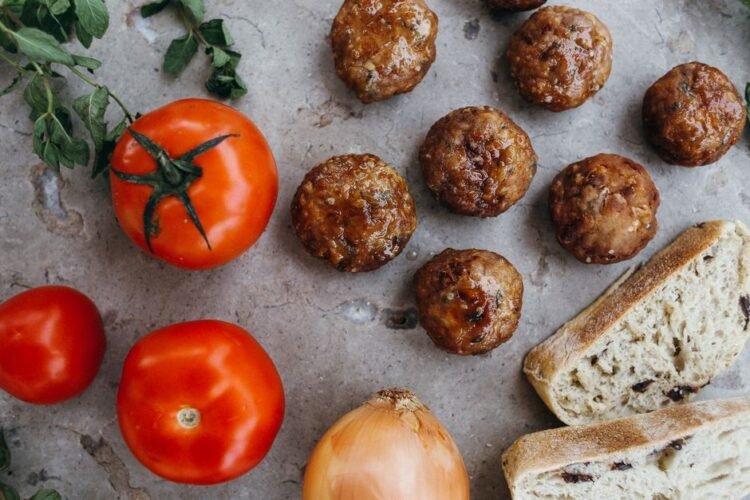
Smyrna-Style Cumin-Spiced Meatballs are oblong Greek meatballs born in the port city of Izmir, fragrant with toasted cumin, garlic, and allspice, then gently braised in a rich tomato sauce until tender. The spice-forward flavor and cigar shape set them apart from typical round meatballs, making them a Sunday-table classic served over rice or with crusty bread.
Prep Time25 mins
Cook Time45 mins
Total Time70 mins
Servings5
Yield5 servings (about 20 oblong meatballs)
Nutrition Facts
Per serving (estimated)
- 480 kcalCalories
- 28 gFat
- 9 gSaturated Fat
- 22 gCarbs
- 4 gFiber
- 10 gSugar
- 32 gProtein
- 780 mgSodium
- 820 mgPotassium
- 140 mgCalcium
- 5 mgIron
- 16 mgVitamin C
- 650 mcgVitamin A
Ingredients
For the meatballs
- 1 lb (450 g) ground beef (15% fat)
- 8 oz (225 g) ground pork
- 1 cup panko breadcrumbs
- 1/2 cup whole milk
- 1 large egg, lightly beaten
- 1 small yellow onion, finely grated and squeezed
- 4 garlic cloves, minced
- 2 tsp ground cumin
- 1 tsp ground allspice
- 1 tsp dried Greek oregano
- 1/4 cup chopped fresh flat-leaf parsley
- 1 1/2 tsp kosher salt
- 3/4 tsp freshly ground black pepper
For the tomato sauce
- 3 tbsp extra-virgin olive oil
- 1 medium yellow onion, finely chopped
- 3 garlic cloves, minced
- 2 tbsp tomato paste
- 1 (28 oz / 800 g) can crushed tomatoes
- 1/2 cup dry red wine (optional)
- 1 tsp granulated sugar
- 1 tsp dried oregano
- 1 bay leaf
- 1 tsp kosher salt, plus more to taste
- Freshly ground black pepper
- 2 tbsp chopped fresh parsley, to finish
Directions
- Soak the panko in the milk in a large bowl for 5 minutes until softened. Add the beef, pork, egg, grated onion, garlic, cumin, allspice, oregano, parsley, salt, and pepper. Mix with your hands just until evenly combined; do not overwork, or the meatballs will turn dense.
- Wet your hands and shape the mixture into about 20 oblong, cigar-shaped meatballs about 3 inches long and 1 1/2 inches thick, smoothing any cracks. Arrange on a parchment-lined tray.
- Heat the olive oil in a wide, heavy braiser or deep skillet over medium-high heat. Brown the meatballs in batches, turning carefully, for 2 to 3 minutes per side until deeply seared. Transfer to a plate; they will not be cooked through.
- Pour off all but 2 tablespoons of fat from the pan. Reduce the heat to medium, add the chopped onion, and cook 5 to 6 minutes until softened and golden at the edges. Stir in the garlic and tomato paste and cook 1 minute until fragrant and brick-red.
- Pour in the red wine (if using) and scrape up the browned bits. Add the crushed tomatoes, sugar, oregano, bay leaf, salt, and pepper. Bring to a gentle simmer and cook 8 to 10 minutes until the sauce thickens slightly and loses its raw edge.
- Nestle the seared meatballs into the sauce in a single layer. Cover, reduce the heat to low, and simmer gently for 25 to 30 minutes, turning once halfway, until the meatballs are cooked through and the sauce is rich and clinging.
- Discard the bay leaf, taste, and adjust salt. Scatter fresh parsley over the top and serve hot with buttered rice, mashed potatoes, or thick slices of crusty bread to mop up the sauce.
Cook’s Notes
- For the most aromatic result, toast the whole cumin and allspice in a dry skillet for 30 seconds, then grind fresh; the pre-ground versions lose potency quickly.
- Grating the onion (rather than chopping) and squeezing out excess liquid keeps the meatballs tender without making them soggy.
- If the sauce tightens too much while simmering, add a splash of water or beef broth to loosen it; the finished sauce should coat the back of a spoon.
- Soutzoukakia taste even better the next day, so consider making them a day ahead and reheating gently on the stove.
- For a lighter finish, swap half the beef for ground lamb to echo the dish's Anatolian roots.