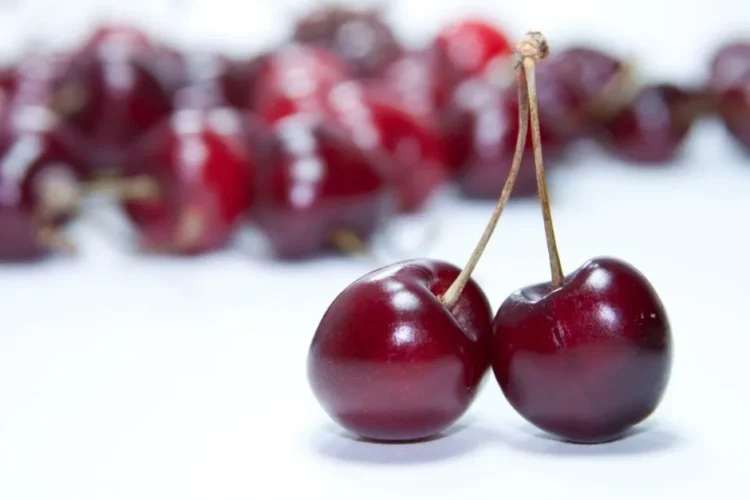
Sweet cherry is a small, fleshy stone fruit prized for its glossy skin, juicy texture, and sweet-tart flavor. It is consumed fresh, dried, preserved, and distilled into liqueurs across many cuisines.
CategoryFruits
Scientific namePrunus avium
OriginTemperate regions of Europe and southwestern Asia, with primary genetic diversity around the Black and Caspian Sea basins
History & Origins
The species name "avium" (of the birds) reflects that wild cherries were spread across Europe and Asia by birds long before humans cultivated them. Documented cultivation began in ancient Greece and was expanded by the Romans, who propagated superior varieties throughout their empire. By the Middle Ages, distinct sweet and sour cultivars had been developed in Europe, and today major commercial producers include Turkey, the United States, Iran, and Chile.
Nutrition Facts
Per 100 g, edible portion (estimated)
- 63 kcalCalories
- 1.06 gProtein
- 0.20 gFat
- 16.01 gCarbs
- 2.1 gFiber
- 12.82 gSugars
- 222 mgPotassium
- 7.0 mgVitamin C
- 3 mcgVitamin A
Culinary Uses
- Eaten fresh as a snack or in fruit salads
- Baked into clafoutis, Black Forest cake, pies, and tarts
- Steeped in brandy or neutral spirit to make kirsch or maraschino liqueur
- Glazed, dried, or preserved in syrup for confectionery use
- Paired with game, duck, pork, and aged cheeses in savory dishes
Known Benefits
- High in anthocyanins and other polyphenols with antioxidant activity
- Source of potassium and quercetin that support cardiovascular health
- Anti-inflammatory compounds linked to reduced muscle soreness after exercise
- Provides dietary fiber and modest vitamin C for immune and digestive health
Hidden Benefits
- Contains natural melatonin that may support sleep onset and circadian rhythm
- Quercetin content may help relieve symptoms of seasonal allergies
- Anthocyanins associated with lower uric acid levels, potentially benefiting gout
- Melatonin and serotonin precursors may contribute to mood regulation
Cautions & Considerations
- Pits contain amygdalin, a cyanogenic glycoside; never crush or swallow whole pits
- High natural sugar makes large portions problematic for diabetics
- Belongs to the Rosaceae family and can trigger oral allergy syndrome in birch-pollen-sensitive individuals
- Stems and leaves contain toxic cyanogenic compounds and should not be consumed





