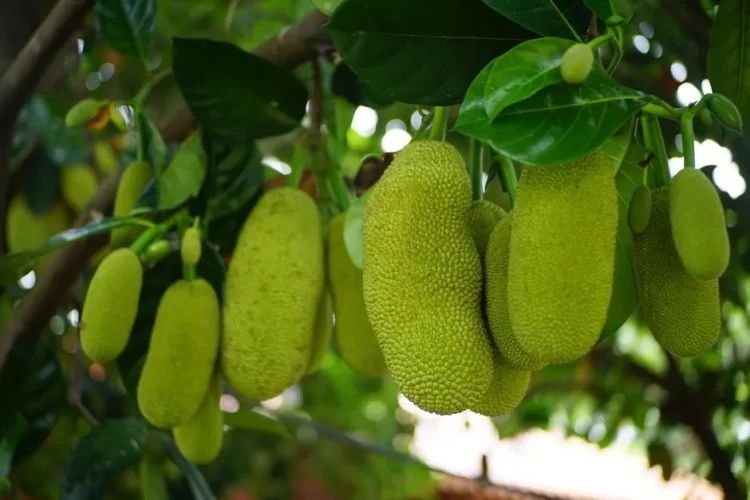
Cempedak is a tropical fruit closely related to jackfruit, prized for its custardy, intensely aromatic yellow flesh. It is eaten fresh, fried, fermented, and cooked in savory and sweet dishes across Malaysia, Indonesia, Brunei, and southern Thailand.
CategoryFruits
Scientific nameArtocarpus integer (Thunb.) Merr.
OriginSoutheast Asia, particularly Borneo, Sumatra, and the Malay Peninsula
History & Origins
Cempedak is native to the lowland rainforests of western Malesia, with Borneo and Sumatra considered its centers of diversity, where it has been cultivated and wild-harvested by Austronesian peoples for at least several centuries. It was described in early colonial botanical surveys of the Malay Archipelago and remains an important backyard and semi-domesticated crop throughout Nusantara, where it is celebrated as one of the finest fruits of the region.
Nutrition Facts
Per 100 g, edible portion (estimated)
- 96 kcalCalories
- 1.5 gProtein
- 0.4 gFat
- 23.5 gCarbs
- 2.0 gFiber
- 13.0 gSugars
- 196 mgPotassium
- 22 mgVitamin C
- 12 mcgVitamin A
Culinary Uses
- Eaten ripe and fresh as a snack, the soft flesh scooped from the rind
- Deep-fried as cempedak goreng, dipped in batter and served with sambal or palm sugar
- Cooked in pengat, a sweet dessert simmered in coconut milk with pandan
- Dried, salted, or pressed into kripik (crackers) and chips
- The unripe fruit used as a vegetable in curries and fermented dishes such as tempoyak-like preparations
- Seeds boiled or roasted and eaten as a starchy snack
Known Benefits
- Good source of dietary fiber supporting digestion
- Provides vitamin C for immune function and collagen synthesis
- Contains carotenoid antioxidants that give the flesh its yellow-orange color
- Naturally fat-free and cholesterol-free
- Provides potassium for blood pressure regulation
Hidden Benefits
- Unripe cempedak contains resistant starch that acts as a prebiotic in the colon
- Flesh is rich in volatile sulfur and ester compounds with potential antimicrobial activity
- Seed flour is high in quality plant protein and minerals when properly processed
- Contains cyclopropenoid fatty acids studied for bioactive properties
Cautions & Considerations
- Allergenic potential for individuals sensitive to Moraceae family fruits (jackfruit, breadfruit, fig)
- Seeds must be boiled or roasted before eating; raw seeds contain trypsin inhibitors and are indigestible
- High natural sugar content makes it unsuitable in large amounts for diabetics
- Ripe fruit ferments rapidly once opened and should be consumed within 24-48 hours





