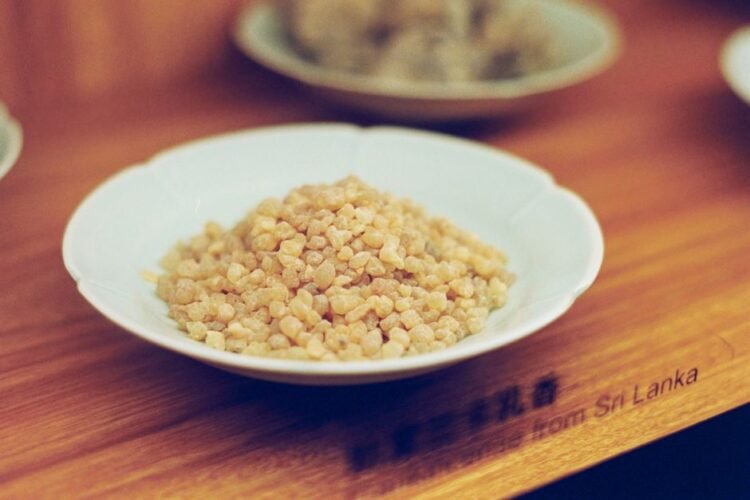
Asafetida is a pungent, resinous spice derived from the dried sap of Ferula plant species, prized in Indian and Persian cuisines for its intense savory aroma and digestive properties.
History & Origins
Asafetida has been used since antiquity, with records in ancient Greek and Roman texts as a medicinal and culinary ingredient. It was highly valued along the ancient spice trade routes connecting Persia to the Mediterranean. The resin was traditionally harvested by making incisions in the roots of Ferula plants growing in the wild, then sun-dried into gum lumps. Its use spread eastward into South Asian cuisine, where it became a foundational flavoring in vegetarian dishes, and westward into European medieval cooking before largely falling out of favor there.
Nutrition Facts
Per 100 g, edible portion (estimated)
- 60 kcalCalories
- 83 gWater
- 0.8 gProtein
- 0.4 gFat
- 0.1 gSaturated Fat
- 15 gCarbs
- 1.6 gFiber
- 14 gSugars
- 168 mgPotassium
- 11 mgCalcium
- 0.2 mgIron
- 10 mgMagnesium
- 36 mgVitamin C
- 54 mcgVitamin A
- 4 mcgVitamin K
- 43 mcgFolate
Culinary Uses
- Used as a flavor base (tadka) in Indian dals and vegetable dishes
- Added to pickles and chutneys for pungent, savory depth
- Employed in lentil preparations to reduce flatulence
- Seasoning for fish and meat dishes in Persian and Middle Eastern cuisines
- Mixed into spice blends such as panch phoron and vindaloo masala
Known Benefits
- Traditionally used to aid digestion and reduce bloating
- Demonstrated carminative properties that relieve intestinal gas
- Contains antioxidant compounds with anti-inflammatory effects
- Has been used in folk medicine as an antispasmodic for colic and stomach cramps
- May possess antimicrobial activity against certain foodborne pathogens
Hidden Benefits
- Contains ferulic acid, a potent antioxidant that may support cardiovascular health
- Gum resin compounds may help regulate blood glucose levels in preliminary studies
- Sulfur compounds in asafetida show potential neuroprotective properties in animal studies
- Used historically as an anxiolytic and nervine tonic in Ayurvedic traditions
- May support respiratory health through its expectorant properties
Cautions & Considerations
- Should be avoided during pregnancy due to potential uterine stimulation
- High concentrations may cause nausea or gastric irritation in sensitive individuals
- Strong odor may be overpowering if used in excess quantities
- May interact with anticoagulant medications due to blood-thinning compounds
- Not recommended for infants or young children