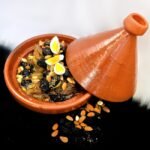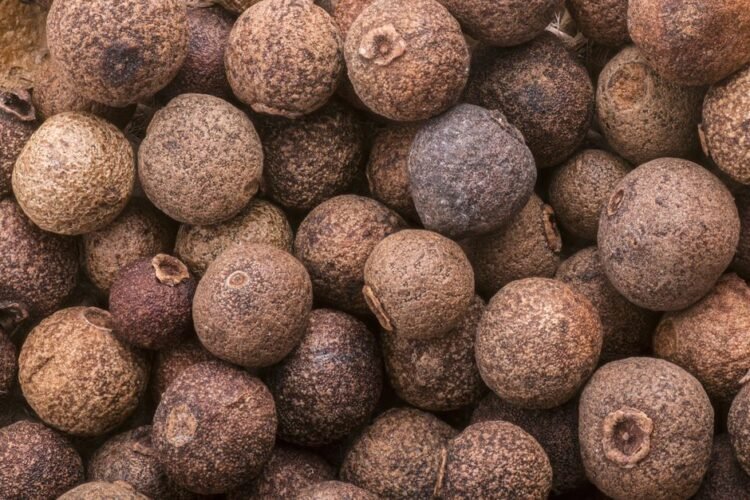
Grains of paradise, also known as alligator pepper or melegueta pepper, are the pungent, aromatic seeds of Aframomum melegueta, a member of the ginger family native to the swampy forests of West Africa. Despite their misleading name, they are not true peppercorns but rather a distinct spice with a complex flavor profile combining heat, citrus, and floral notes.
History & Origins
Grains of paradise have been documented in West African trade and culinary traditions for centuries, with evidence of their use dating to the 13th century. They were highly prized along trans-Saharan trade routes and became a significant commodity reaching Mediterranean markets. During the medieval period, European traders used them as a more affordable substitute for black pepper and true peppers from Asia. The spice fell from prominence in European cuisine by the 19th century as colonial trade routes expanded access to other spices, though it remains essential in West African, particularly Nigerian, cooking to this day.
Nutrition Facts
Per 100 g, edible portion (estimated)
- 280 kcalCalories
- 9 gWater
- 6.7 gProtein
- 3.3 gFat
- 0.9 gSaturated Fat
- 72 gCarbs
- 14 gFiber
- 0.1 gSugars
- 850 mgPotassium
- 60 mgCalcium
- 3.1 mgIron
- 50 mgMagnesium
- 0 mgVitamin C
- 0 mcgVitamin A
- 0 mcgVitamin K
- 20 mcgFolate
Culinary Uses
- Ground into a coarse powder and used to season grilled meats and stews
- Added to Nigerian jollof rice and pepper soups for heat and aroma
- Mixed into spice rubs for Suya (grilled spiced meat skewers)
- Infused in hot water or spirits as a warming beverage
- Used as a pepper substitute in European cuisine during the medieval period
- Sprinkled over roasted vegetables and root vegetables
Known Benefits
- Contains gingerols and other anti-inflammatory compounds from the ginger family
- High in dietary fiber supporting digestive health
- Rich in antioxidants that help neutralize free radicals
- Contains minerals including iron and potassium essential for bodily functions
- Traditionally used to support digestive and respiratory wellness in West African medicine
Hidden Benefits
- May support healthy metabolism due to thermogenic properties
- Contains compounds that may exhibit antimicrobial activity
- Could support cardiovascular health through improved circulation
- Contains volatile oils that may help reduce exercise-induced fatigue
- May have mood-supporting properties through aromatic compound stimulation
Cautions & Considerations
- Generally recognized as safe in culinary amounts but may cause irritation in high doses
- Not recommended for consumption in medicinal quantities during pregnancy
- May interact with blood-thinning medications due to anticoagulant properties
- Can cause digestive discomfort in sensitive individuals when consumed in large amounts
- Allergic reactions possible in those with sensitivities to ginger family plants