 (No Ratings Yet)
 Loading...
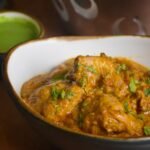
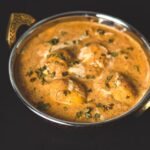
This aromatic Kerala-style duck roast, known locally as Tharavu Varuthathu, features tender duck pieces marinated in roasted spices and slow-cooked with caramelized onions, curry leaves, and toasted coconut. The result is a richly spiced, semi-dry dish with deep, smoky flavors that pair beautifully with steamed rice, appam, or flaky Kerala parotta.
Prep Time25 mins
Cook Time70 mins
Total Time95 mins
Servings4
Yield4 servings
Nutrition Facts
Per serving (estimated)
- 485 kcalCalories
- 32 gFat
- 12 gSaturated Fat
- 11 gCarbs
- 4 gFiber
- 5 gSugar
- 36 gProtein
- 720 mgSodium
- 780 mgPotassium
- 110 mgCalcium
- 6 mgIron
- 28 mgVitamin C
- 85 mcgVitamin A
Ingredients
For the duck and marinade
- 1.5 kg duck, cut into medium bone-in pieces (skin on)
- 2 tablespoons ginger-garlic paste
- 4 green chilies, slit lengthwise
- 1 teaspoon turmeric powder
- 2 teaspoons Kashmiri red chili powder
- 2 tablespoons coriander powder
- 1 teaspoon garam masala
- 3 tablespoons thick yogurt whisked with 1.5 teaspoons kosher salt and 2 tablespoons lemon juice
For the dry-roasted spice paste
- 1 tablespoon fennel seeds
- 1 tablespoon coriander seeds
- 4 dried whole red chilies
- 1 teaspoon black peppercorns
- 2 small cinnamon sticks (about 1 inch each)
- 4 green cardamom pods
- 3 whole cloves
For the roast
- 3 tablespoons cold-pressed coconut oil
- 2 large onions, thinly sliced
- 2 sprigs fresh curry leaves (about 24 leaves)
- 1 cup fresh coconut pieces or thin slices
- 2 medium tomatoes, finely chopped
- 1 teaspoon garam masala
- 1/2 cup warm water
- 2 tablespoons chopped fresh coriander leaves for garnish
Directions
- Marinate the duck: In a large bowl, combine the duck pieces with ginger-garlic paste, green chilies, turmeric, Kashmiri chili powder, coriander powder, garam masala, and the yogurt-salt-lemon mixture. Mix thoroughly until every piece is coated, cover, and refrigerate for at least 4 hours, preferably overnight.
- Prepare the dry spice paste: Heat a small dry skillet over medium heat and roast the fennel, coriander seeds, dried red chilies, peppercorns, cinnamon, cardamom, and cloves for 2-3 minutes until fragrant and just beginning to darken. Cool, then grind to a coarse powder with 3 tablespoons of water to form a paste.
- Fry the coconut: Heat the coconut oil in a heavy-bottomed kadai or Dutch oven over medium heat. Add the coconut pieces and fry for 3-4 minutes until deeply golden brown on the edges, then remove with a slotted spoon and set aside.
- Build the base: In the same oil, sauté the sliced onions for 8-10 minutes until deep golden brown. Add the curry leaves and the ground spice paste and cook for 2-3 minutes until fragrant and the oil begins to separate at the edges.
- Brown the duck: Add the marinated duck along with all of the marinade and stir well to coat. Add the chopped tomatoes and cook uncovered over medium heat for 10 minutes, stirring occasionally, until the duck begins to brown and the tomatoes break down.
- Slow cook: Pour in the warm water, reduce the heat to low, cover, and simmer gently for 40-50 minutes, stirring every 10 minutes, until the duck is fork-tender and pulls cleanly from the bone.
- Reduce to a roast: Uncover, raise the heat to medium, and continue cooking for 8-10 minutes, stirring frequently, until the gravy thickens into a glossy coating that clings to the duck and the edges begin to caramelize.
- Finish and serve: Stir in the reserved toasted coconut and the final teaspoon of garam masala, cook for 1 minute, taste and adjust salt. Garnish with fresh coriander and serve hot with steamed Kerala red rice, appam, or parotta.
Cook’s Notes
- Country duck or moulard duck gives the most authentic flavor and fattiness; if using lean farmed duck, add 2 extra tablespoons of water during the slow-cook step to prevent drying out.
- Marinate overnight whenever possible; the yogurt and spices need time to tenderize the duck and penetrate the meat fully.
- Patience is essential during the slow-cook step; rushing will leave the duck chewy. The meat should yield easily when pierced with a fork.
- Use freshly cut coconut pieces rather than desiccated coconut for proper toasting and the characteristic sweet-nutty flavor of the dish.
- Cold-pressed Kerala coconut oil is the soul of this recipe, but any good-quality virgin coconut oil is a fair substitute; avoid refined neutral oils which will mute the flavor.