 (No Ratings Yet)
 Loading...
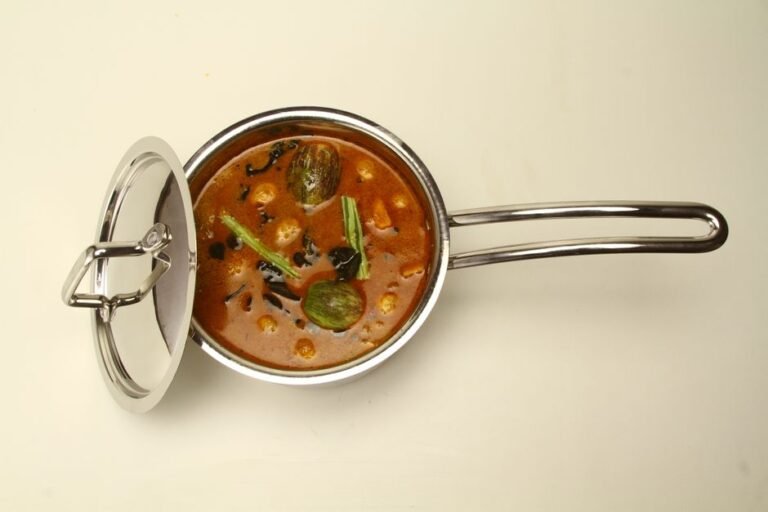
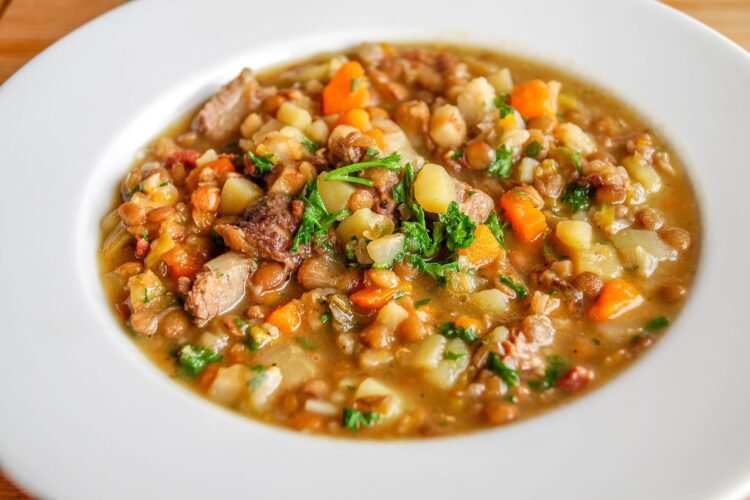
Kootu is a beloved Tamil Nadu preparation that sits between sambar and a dry curry – a thick, creamy stew of lentils, vegetables, and freshly ground coconut brought to life with a sizzling ghee-laced tempering. This everyday comfort dish pairs beautifully with steamed rice and a crisp papad for a complete vegetarian meal.
Prep Time15 mins
Cook Time30 mins
Total Time45 mins
Servings4
Yield4 servings
Nutrition Facts
Per serving (estimated)
- 285 kcalCalories
- 14 gFat
- 10 gSaturated Fat
- 30 gCarbs
- 8 gFiber
- 4 gSugar
- 12 gProtein
- 380 mgSodium
- 640 mgPotassium
- 75 mgCalcium
- 3.5 mgIron
- 18 mgVitamin C
- 280 mcgVitamin A
Ingredients
For the lentils and vegetables
- 1 cup toor dal (split pigeon peas), rinsed
- 3 cups water
- 1 cup ash gourd or pumpkin, peeled and cubed
- 1 cup eggplant, cubed
- 1/2 cup green beans, chopped into 1-inch pieces
- 1 medium carrot, diced
- 1/2 tsp ground turmeric
- 1 tsp kosher salt, plus more to taste
For the coconut paste
- 3/4 cup freshly grated coconut
- 1 tsp cumin seeds
- 2 dried whole red chilies
- 2 tbsp water
For the tempering (tadka)
- 2 tbsp coconut oil
- 1 tsp black mustard seeds
- 1 tsp urad dal (split black gram)
- 2 dried whole red chilies, broken
- 1 sprig fresh curry leaves (about 10 leaves)
- 1/4 tsp asafoetida (hing)
- 1/2 tsp coarsely crushed black peppercorns
Directions
- Combine the rinsed toor dal, 3 cups water, turmeric, and a pinch of salt in a pressure cooker. Cook for 3 to 4 whistles (about 12 minutes), or until the dal is completely soft and falling apart. If using a pot, simmer covered for 35 to 40 minutes until tender.
- While the dal cooks, prepare the vegetables so they are all roughly the same size for even cooking. Set aside until ready to use.
- Make the coconut paste: blend the grated coconut, cumin seeds, and 2 dried red chilies with 2 tablespoons of water until you have a smooth, thick paste. Set aside.
- Once the dal is cooked, mash it lightly with the back of a spoon. Add the prepared vegetables along with the teaspoon of salt and an extra 1/2 cup of water if the mixture looks too thick. Simmer uncovered for 10 to 12 minutes, until the vegetables are fork-tender but still hold their shape.
- Stir in the coconut paste and reduce the heat to low. Cook gently for 3 to 4 minutes, allowing the flavors to meld, without bringing to a vigorous boil which could split the coconut. Adjust salt and consistency – the kootu should be thick enough to coat rice but spoonable, not runny.
- Prepare the tempering: heat the coconut oil in a small skillet over medium heat until shimmering. Add the mustard seeds and wait until they pop and sputter, about 30 seconds. Add the urad dal and stir until it turns pale golden.
- Add the broken dried red chilies, curry leaves, asafoetida, and crushed black pepper to the hot oil. The curry leaves will splatter immediately – stir once and cook for just 10 seconds so the spices do not burn.
- Pour the sizzling tempering directly over the kootu, stir gently to combine, and cover with a lid. Let it rest off the heat for 5 minutes so the aromatic oils infuse the stew. Serve hot with steamed rice, a drizzle of ghee, and a crisp papad on the side.
Cook’s Notes
- The consistency is everything – kootu should be thicker than sambar but looser than a dry sabzi; aim for a texture that lightly coats the back of a spoon.
- Ash gourd (winter melon) is the most traditional choice for its mild sweetness, butternut squash, yellow pumpkin, or even zucchini can be substituted in equal measure.
- Always add the coconut paste off the boil or on very low heat; high temperatures cause coconut to curdle and turn grainy.
- For a tangier version reminiscent of Thanjavur-style kootu, stir in 2 tablespoons of whisked plain yogurt or 1 tablespoon of thick tamarind extract just before the tempering step.
- Fresh curry leaves are non-negotiable for authentic flavor – skip them only as a last resort, as dried leaves lack the bright, citrusy aroma.