 (No Ratings Yet)
 Loading...
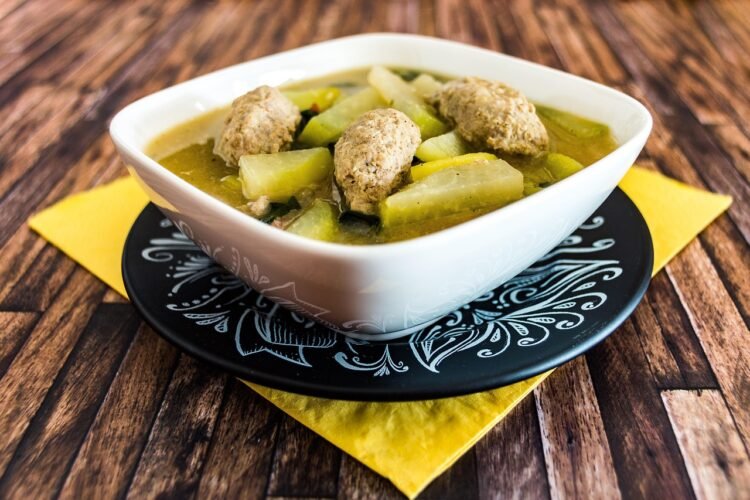
A beloved comfort classic from Angola, this slow-simmered tripe stew combines tender honeycomb tripe with creamy white beans, smoky chouriço, and cabbage in a rich tomato-paprika broth. Often served alongside funge (cassava porridge) or steamed rice, it reflects the Portuguese colonial influence woven through Angolan home cooking. It is hearty, deeply savory, and traditionally prepared in large pots for family gatherings.
Prep Time20 mins
Cook Time150 mins
Total Time170 mins
Servings6
Yield6 servings
Nutrition Facts
Per serving (estimated)
- 420 kcalCalories
- 18 gFat
- 6 gSaturated Fat
- 32 gCarbs
- 9 gFiber
- 6 gSugar
- 32 gProtein
- 780 mgSodium
- 850 mgPotassium
- 120 mgCalcium
- 6 mgIron
- 28 mgVitamin C
- 180 mcgVitamin A
Ingredients
For the tripe and beans
- 2 lb beef honeycomb tripe, thoroughly cleaned and cut into 1-inch pieces
- 1 cup dried cannellini or navy beans, soaked overnight and drained
- 2 tsp fine sea salt, plus more for the cooking water
- 1 large yellow onion, quartered (for the boil)
- 3 bay leaves
For the stew base
- 3 tbsp palm oil or olive oil
- 1 large yellow onion, finely diced
- 5 garlic cloves, minced
- 2 tbsp tomato paste
- 2 medium ripe tomatoes, grated (about 1 cup)
- 1 1/2 tsp sweet paprika
- 1 tsp smoked paprika
- 1/2 tsp ground cumin
- 1 small dried piri-piri chili or 1/2 tsp red pepper flakes
For finishing
- 6 oz chouriço or smoked Portuguese sausage, sliced into 1/2-inch rounds
- 3 cups green cabbage, cored and cut into 1-inch ribbons
- 1 tsp fine sea salt, or to taste
- 1/2 tsp freshly ground black pepper
- 1/4 cup chopped fresh cilantro or flat-leaf parsley
Directions
- Place the cleaned tripe in a large pot, cover with cold water, add the quartered onion, 2 bay leaves, and 1 tablespoon of salt. Bring to a boil, then reduce to a simmer and cook, skimming any foam, for about 90 minutes until the tripe is tender when pierced with a fork. Drain and reserve 4 cups of the cooking liquid.
- While the tripe simmers, place the soaked beans in a separate pot, cover with fresh water, add the remaining bay leaf, and simmer for 40 to 50 minutes until just tender but not mushy. Drain and set aside.
- In a heavy-bottomed pot or Dutch oven, heat the palm oil over medium heat. Add the diced onion and cook for 6 to 7 minutes until softened and translucent, then stir in the garlic and cook for another minute until fragrant.
- Add the tomato paste, grated tomato, sweet paprika, smoked paprika, cumin, and piri-piri. Cook, stirring, for 4 to 5 minutes until the mixture thickens and the oil begins to separate at the edges of the pan.
- Add the drained tripe, cooked beans, and sliced chouriço to the pot, then pour in the reserved tripe cooking liquid. Bring to a gentle boil, reduce the heat to low, cover partially, and simmer for 30 minutes so the flavors meld and the broth reduces slightly.
- Stir in the cabbage ribbons, season with salt and black pepper, and continue to simmer uncovered for 15 to 20 minutes until the cabbage is tender and the stew has thickened to a rich, spoonable consistency.
- Taste and adjust seasoning, then remove from the heat and stir in the chopped cilantro. Let the stew rest for 5 minutes before ladling into deep bowls. Serve hot with funge, white rice, or crusty bread.
Cook’s Notes
- Always clean tripe thoroughly before cooking: rub it with coarse salt and lemon juice, rinse well, then blanch and discard the first boiling water for the cleanest flavor.
- Soak the dried beans overnight in cool water with a pinch of bicarbonate to soften them and shorten the cooking time.
- Add the chouriço near the end of simmering if you prefer firmer slices; adding it earlier infuses the broth with smoky depth while keeping the sausage slightly soft.
- For a more authentic Angolan touch, finish the stew with a small spoonful of malagueta pepper paste or a drizzle of palm oil just before serving.
- Leftovers taste even better the next day as the tripe absorbs the broth; reheat gently over low heat and add a splash of water if needed.