 (No Ratings Yet)
 Loading...
A traditional Eritrean sourdough flatbread made from naturally fermented teff flour. It has a soft, spongy surface with tiny "eyes" and a mild tangy flavor, traditionally used as both plate and bread to scoop up stews and vegetables.
Prep Time15 mins
Cook Time25 mins
Total Time40 mins
Servings4
Yield4 flatbreads (8 inches each)
Nutrition Facts
Per serving (estimated)
- 110 kcalCalories
- 0.8 gFat
- 0.2 gSaturated Fat
- 23 gCarbs
- 3 gFiber
- 0.5 gSugar
- 4 gProtein
- 105 mgSodium
- 130 mgPotassium
- 60 mgCalcium
- 2.5 mgIron
- 0 mgVitamin C
- 0 mcgVitamin A
Ingredients
For the Batter
- 2 cups (250 g) whole grain teff flour (brown or ivory)
- 3 1/2 cups (830 ml) room-temperature water, divided
- 1/2 teaspoon fine sea salt
- 1 tablespoon active starter from a previous batch (optional, speeds fermentation)
Directions
- In a large glass or ceramic bowl, whisk the teff flour with 3 cups of water until completely smooth and free of lumps, forming a thin pourable batter.
- Loosely cover the bowl with a clean cloth and let it ferment at room temperature (70-75°F) for 2 to 3 days. Stir once daily; the batter should develop a mild tangy aroma and small bubbles on the surface.
- Once fermented, stir in the salt. Gradually add the remaining 1/2 cup water until the batter reaches the consistency of heavy cream, thinner than pancake batter.
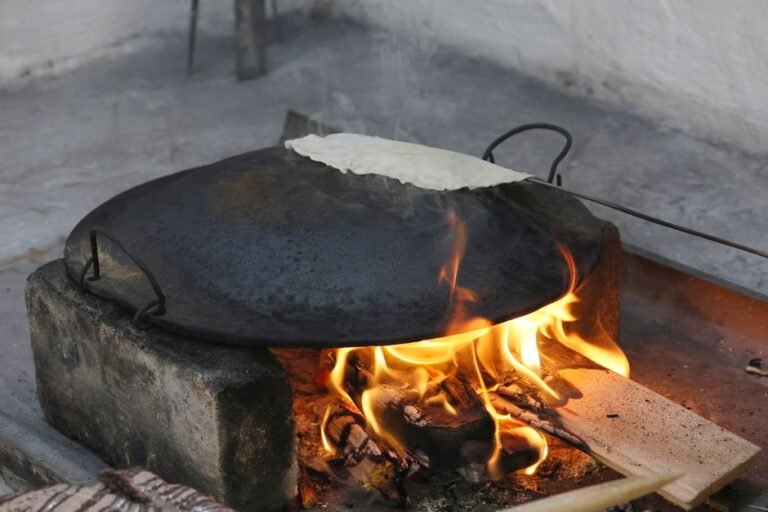
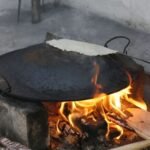
- Heat an 8-inch non-stick skillet or a traditional mitad (clay griddle) over medium heat for 2 minutes until evenly hot. Do not grease the pan.
- Pour about 1/2 cup of batter into the center of the pan and immediately swirl to coat the surface in a thin, even layer.
- Cover the pan with a lid and cook for 1 to 2 minutes, until the surface is set, the edges begin to lift, and characteristic small holes (eyes) form across the top.
- Do not flip the bread. Remove from the heat and slide the flatbread onto a plate. Keep covered with a clean kitchen towel while you cook the remaining batter.
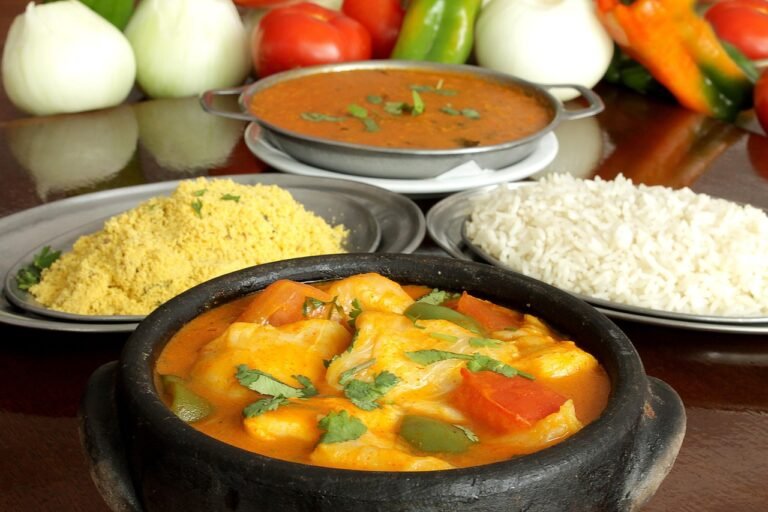
- Stack the cooked flatbreads as you go to keep them soft and pliable. Serve warm as a base for lentil stews, sautéed vegetables, or spiced meats.
Cook’s Notes
- Brown teff gives a deeper, more traditional flavor; ivory teff produces a milder, slightly sweeter flatbread.
- If you skip the starter, allow a full 3 days for natural fermentation to develop the signature tang and airy texture.
- Use a well-seasoned cast-iron skillet if you don't have a traditional mitad; avoid greasing the pan so the injera develops its spongy top.
- The batter should coat the back of a spoon thinly; if it thickens during fermentation, whisk in a tablespoon or two of water before cooking.
- Always cook injera covered to trap steam, which helps the surface form the characteristic honeycomb pattern of small holes.