 (No Ratings Yet)
 Loading...
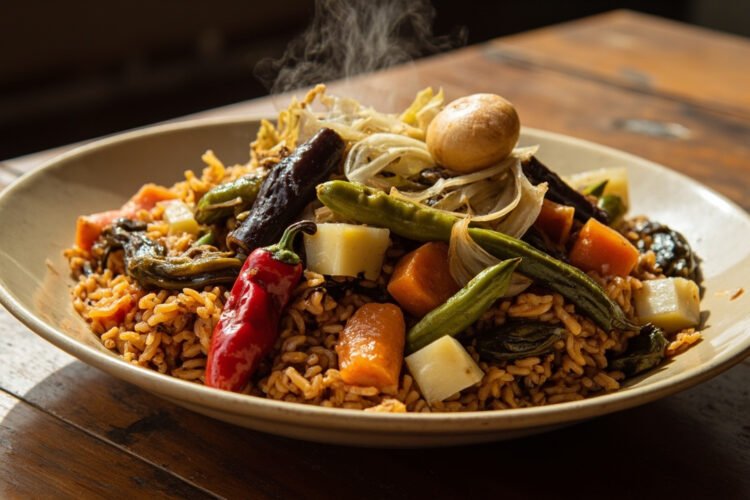
This vegetarian cousin of Senegal's national dish swaps fish for tender cassava leaves simmered with tomato, scotch bonnet, and a colorful array of root vegetables. The rice steams directly in the deeply flavored leaf sauce, soaking up every drop of savory, earthy goodness. It is a hearty one-pot meal that showcases the green, herbal character of cassava leaves that defines this beloved Wolof preparation.
Prep Time20 mins
Cook Time45 mins
Total Time65 mins
Servings4
Yield4 generous servings
Nutrition Facts
Per serving (estimated)
- 480 kcalCalories
- 11 gFat
- 2 gSaturated Fat
- 88 gCarbs
- 7 gFiber
- 9 gSugar
- 10 gProtein
- 620 mgSodium
- 780 mgPotassium
- 130 mgCalcium
- 4 mgIron
- 38 mgVitamin C
- 290 mcgVitamin A
Ingredients
For the cassava leaf sauce
- 2 cups finely chopped fresh cassava leaves (or 1 cup frozen pounded leaves, or 3 cups chopped collard greens)
- 3 tbsp peanut oil
- 1 large yellow onion, finely chopped
- 4 garlic cloves, minced
- 1 scotch bonnet pepper, left whole and pierced
- 3 tbsp tomato paste
- 1 tsp sea salt
- 1/2 tsp freshly ground black pepper
- 4 cups vegetable stock or water plus 1 bouillon cube
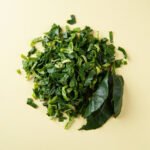 Cassava leaves
 Peanut oil
 Yellow onion
 Garlic cloves
 Scotch bonnet pepper
 Tomato paste
 Sea salt
 Black pepper
 Vegetable stock
For the vegetable medley
- 1 cup cassava root, peeled and cut into 1-inch chunks
- 2 carrots, peeled and sliced into thick rounds
- 1 small eggplant, cubed
- 1 cup whole okra pods, trimmed
- 1 cup cabbage, cut into 2-inch wedges
- 1 small yellow onion, peeled and left whole
- 1 tbsp tomato paste
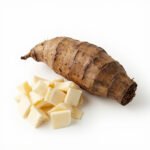 Cassava root
 Carrots
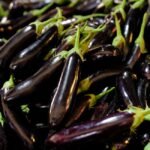 Eggplant
 Okra pods
 CabbageWhole yellow onionTomato paste (extra)
For the rice
- 2 cups broken jasmine or medium-grain white rice, rinsed until water runs clear
- 1/2 tsp salt
- 1 cup warm water (as needed)
- 1 tbsp peanut oil
 Jasmine rice
 Salt
Salt Warm waterPeanut oil (extra)
Directions
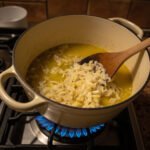 Heat 3 tablespoons of peanut oil in a heavy-bottomed pot or Dutch oven over medium heat. Add the finely chopped onion and cook for 5 to 6 minutes until softened and translucent, stirring occasionally.
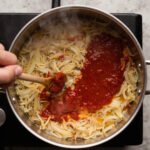 Stir in the minced garlic and 3 tablespoons of tomato paste and cook for 3 minutes, stirring constantly, until the paste darkens to a brick red color and releases its deep aroma.
 Add the chopped cassava leaves, the scotch bonnet pepper, 1 teaspoon salt, the black pepper, and a small peeled whole onion. Pour in the vegetable stock and bring to a rolling boil over high heat.
 Add the cassava root chunks and carrots first since they take longest to cook. Reduce heat to medium and simmer uncovered for 10 minutes until the root vegetables begin to soften.
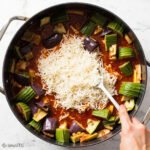 Stir in the eggplant, okra, cabbage, and 1 extra tablespoon of tomato paste. Scatter the rinsed rice evenly over the top of the vegetables and add the extra cup of warm water if needed so the liquid rises about 1 inch above the rice.
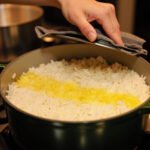 Drizzle 1 tablespoon of peanut oil over the rice, cover tightly, reduce heat to the lowest setting, and cook for 25 minutes without lifting the lid, until the rice is tender and the liquid is fully absorbed.
 Remove the scotch bonnet pepper and the small whole onion. Gently fluff the rice with a fork, folding the tender cassava leaves and vegetables through the grains.
 Let the pot rest covered off the heat for 5 minutes before serving hot in shallow bowls, making sure every portion gets a share of the leaves and vegetables.
Cook’s Notes
- If fresh cassava leaves are unavailable, look for frozen pounded cassava leaves at West African or Caribbean markets; cleaned collard greens make a workable substitute though the flavor will be milder.
- Always leave the scotch bonnet whole and pierced so it perfumes the dish with fruity heat without overwhelming spice; remove it before serving so no one bites into it by accident.
- For deeper nutty flavor, toast the rinsed rice in a dry skillet for 2 minutes before adding it to the pot.
- Traditional Senegalese recipes use broken rice (riz cassé), which absorbs more sauce and cooks unevenly for lovely texture; medium-grain jasmine or basmati is the closest substitute if you cannot find it.
- Cover the pot with a tight-fitting lid or seal the edge with a clean kitchen towel to trap steam and ensure the rice cooks evenly without stirring.