
 (No Ratings Yet)
 Loading...
This Senegalese coastal dish layers creamy peanut butter with the tangy, citrusy pulp of baobab fruit for a luscious sauce that hugs tender white fish and vegetables. It is traditionally spooned over steamed white rice, where every grain soaks up the nutty, slightly tart broth. The baobab gives the sauce its characteristic fruity brightness that sets it apart from other Senegalese peanut stews.
Prep Time20 mins
Cook Time35 mins
Total Time55 mins
Servings4
Yield4 servings
Nutrition Facts
Per serving (estimated)
- 610 kcalCalories
- 34 gFat
- 6 gSaturated Fat
- 32 gCarbs
- 9 gFiber
- 11 gSugar
- 44 gProtein
- 590 mgSodium
- 930 mgPotassium
- 180 mgCalcium
- 5 mgIron
- 26 mgVitamin C
- 260 mcgVitamin A
Ingredients
For the fish and base
- 1.5 lb skinless white fish fillets (grouper or tilapia), cut into 2-inch chunks
- 1 tsp fine sea salt
- 1/2 tsp freshly ground black pepper
- 1 small scotch bonnet pepper, pierced once
- 1 dried bay leaf
- 1 tsp dried thyme
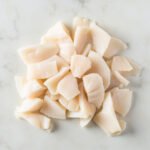 White fish fillets
 Fine sea salt
 Black pepper
 Scotch bonnet pepper
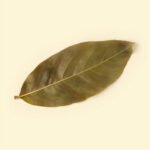 Dried bay leaf
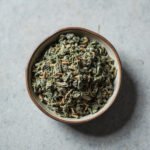 Dried thyme
For the sauce
- 3 tbsp vegetable oil
- 1 large yellow onion, finely diced
- 4 cloves garlic, minced
- 1 tbsp grated fresh ginger
- 2 ripe tomatoes, grated (skins discarded)
- 2 tbsp tomato paste
- 3/4 cup unsweetened natural peanut butter, stirred smooth
- 4 cups warm water, plus more as needed
- 1/2 cup baobab fruit pulp (pain de singe)
- 1 tsp fine sea salt, or to taste
 Vegetable oil
 Yellow onion
 Garlic cloves
 Fresh ginger
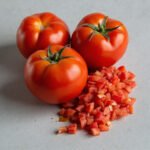 Ripe tomatoes
 Tomato paste
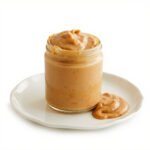 Peanut butter
 Warm water
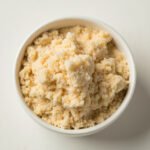 Baobab fruit pulpFine sea salt
For finishing
- 1 small Japanese eggplant, cut into thick rounds
- 12 fresh okra pods, tops trimmed and left whole
- 2 scallions, thinly sliced
- 1/4 cup chopped fresh cilantro
- Steamed white rice, for serving
 Japanese eggplant
 Fresh okra
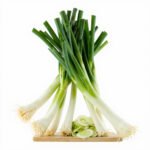 Scallions
 Fresh cilantro
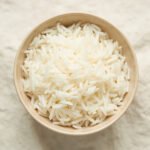 Steamed white rice
Directions
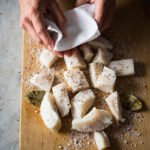 Pat the fish dry and season evenly with salt, pepper, thyme, and the bay leaf; set aside while you build the sauce.
 Heat the oil in a wide heavy pot over medium heat. Add the onion and cook, stirring often, for 6 to 7 minutes until soft and golden. Stir in the garlic and ginger and cook 1 minute more until fragrant.
 Add the grated tomatoes and tomato paste and simmer 5 minutes, mashing any lumps, until the mixture thickens and the oil begins to separate at the edges.
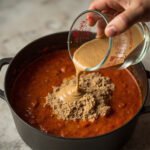 Whisk the peanut butter with the 4 cups warm water until completely smooth, then pour into the pot. Stir in the baobab pulp and salt and bring to a gentle simmer; the sauce will look tangy and slightly frothy.
 Nestle the fish pieces into the sauce along with the pierced scotch bonnet. Simmer uncovered for 8 to 10 minutes, spooning sauce over the fish, until the fillets are just opaque and beginning to flake.
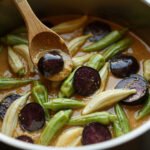 Add the eggplant rounds and okra pods and continue to simmer 6 to 8 minutes until the vegetables are tender and the sauce has thickened enough to coat the back of a spoon; loosen with a splash of water if it gets too thick.
 Remove the scotch bonnet and bay leaf. Stir in most of the scallions and cilantro, taste for salt, and adjust seasoning.
 Ladle the stew into wide bowls over steamed rice, scatter the remaining herbs on top, and serve hot.
- Store leftovers covered in the refrigerator for up to 2 days; thin with a little warm water when reheating, as the sauce sets as it cools.
Cook’s Notes
- Baobab fruit pulp is sold as dry, powdery chunks in African markets and online; if you cannot find it, substitute 3 tablespoons of baobab powder plus 1 tablespoon of lemon juice for a similar tang.
- Use a natural, unsweetened peanut butter that contains only peanuts (and maybe salt); sweetened or hydrogenated spreads will make the sauce heavy and overly sweet.
- For deeper flavor, briefly smoke the fish over a charcoal grill before adding it to the sauce, the way it is done in many coastal Senegalese homes.
- Do not let the sauce boil hard once the peanut butter is in, or it will split and turn grainy; keep it at a low, steady simmer and stir the bottom often.
- Serve with plain jasmine or broken jasmine rice so the floral, tangy sauce can really shine.


