 (No Ratings Yet)
 Loading...
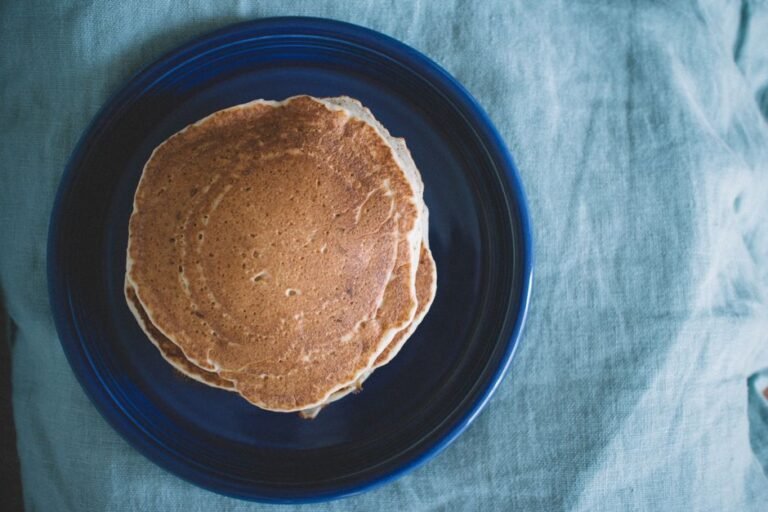
This soft, spongy flatbread is a beloved breakfast staple across Somali households, prized for its pillowy texture and gentle tang from overnight fermentation. The thin batter is ladled onto a hot pan without spreading, forming characteristic holes on the surface as it cooks. Serve warm with honey and ghee for a sweet breakfast or alongside a savory stew.
Prep Time15 mins
Cook Time20 mins
Total Time35 mins
Servings4
Yield8 small pancakes (4 servings)
Nutrition Facts
Per serving (estimated)
- 285 kcalCalories
- 5 gFat
- 2 gSaturated Fat
- 52 gCarbs
- 3 gFiber
- 5 gSugar
- 8 gProtein
- 310 mgSodium
- 160 mgPotassium
- 35 mgCalcium
- 3 mgIron
- 0 mgVitamin C
- 15 mcgVitamin A
Ingredients
For the fermented batter
- 2 cups (250 g) all-purpose flour
- 1/2 cup (65 g) whole wheat flour
- 1 tsp active dry yeast
- 1 tsp granulated sugar
- 1/2 tsp fine sea salt
- 2 1/2 cups (600 ml) lukewarm water, plus more as needed
For cooking and serving
- 2 tbsp ghee or neutral oil, for greasing
- Warm honey, for serving
- Soft ghee or butter, for serving
Directions
- Whisk the all-purpose flour, whole wheat flour, yeast, sugar, and salt in a large bowl. Gradually add the lukewarm water while whisking to form a smooth, thin batter roughly the consistency of heavy cream.
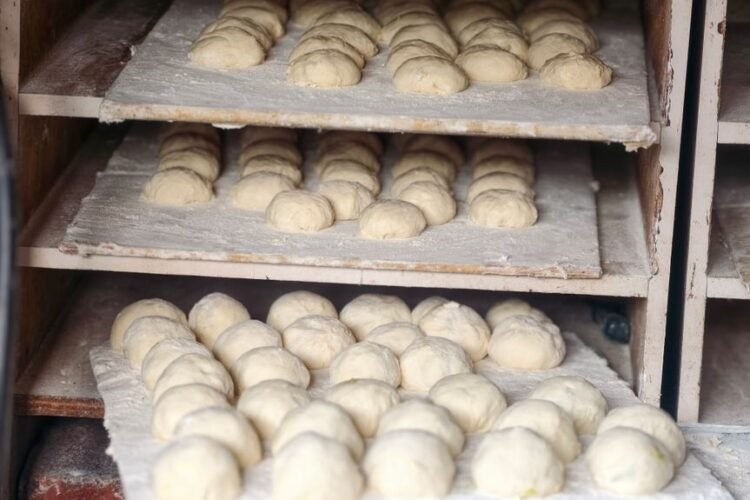
- Cover the bowl with a clean kitchen towel and let ferment at room temperature for 8 to 12 hours, or overnight, until the batter is bubbly on top and smells pleasantly tangy.
- Stir the batter gently with a spoon; if it has thickened too much, whisk in 2 to 4 tablespoons of warm water until it flows easily off the spoon.
- Heat a 10-inch non-stick skillet or well-seasoned crepe pan over medium-low heat and lightly grease with a paper towel dipped in ghee.
- Pour about 1/3 cup (80 ml) of batter into the center of the pan without spreading it; the pancake should spread naturally to about 6 inches. Cook undisturbed for 2 to 3 minutes until the surface is set and full of small holes and the underside is golden brown.
- Do not flip; instead, remove the pancake with a spatula and stack it on a plate. Repeat with the remaining batter, lightly re-greasing the pan as needed and stirring the batter between pours to keep the consistency even.
- Keep the cooked pancakes wrapped in a clean kitchen towel to stay soft and warm. Serve immediately with warm honey and a dollop of ghee, or alongside a savory stew.
Cook’s Notes
- Fermentation is essential: a longer rest (up to 24 hours) yields a tangier, more complex flavor; refrigerate the batter if going beyond 12 hours.
- Do not spread the batter with a spatula, as the holes that form naturally are the signature feature of this bread.
- Use a heavy non-stick or well-seasoned cast-iron pan and keep the heat low to prevent browning too quickly before the center cooks through.
- Store leftover pancakes in an airtight bag at room temperature for 1 day or refrigerate up to 3 days; reheat briefly on a dry pan or in a microwave.
- For a heartier breakfast, layer the pancakes with sweetened tea-cooked beef (malawax style) or serve alongside ful medames.