 (No Ratings Yet)
 Loading...
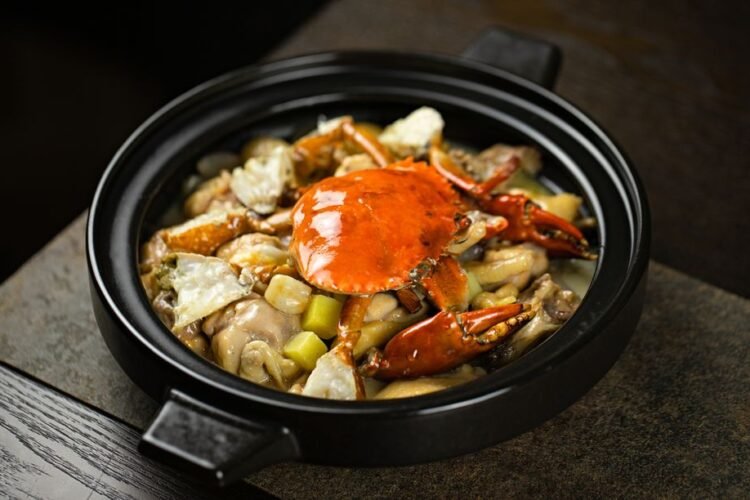
Born in the fishing villages around San Francisco's wharves in the late 1800s, cioppino is a tomato-and-wine seafood stew packed with Dungeness crab, clams, mussels, and any fresh catch the boats brought in. Each Italian fisherman contributed his catch of the day, which is why the seafood mix is wonderfully flexible. Served piping hot with a crusty sourdough loaf, it's the city's most iconic dish.
Prep Time25 mins
Cook Time40 mins
Total Time65 mins
Servings6
Yield6 hearty bowls
Nutrition Facts
Per serving (estimated)
- 410 kcalCalories
- 14 gFat
- 2.5 gSaturated Fat
- 18 gCarbs
- 4 gFiber
- 9 gSugar
- 42 gProtein
- 860 mgSodium
- 980 mgPotassium
- 190 mgCalcium
- 5 mgIron
- 28 mgVitamin C
- 380 mcgVitamin A
Ingredients
For the seafood mix
- 1 1/2 lb Dungeness crab, cleaned, cracked into pieces
- 1 lb fresh mussels, scrubbed and debearded
- 1 lb small littleneck clams, scrubbed
- 3/4 lb jumbo shrimp, peeled and deveined
- 3/4 lb skinless halibut or cod, cut into 1 1/2-inch chunks
- 1/2 lb cleaned calamari, bodies sliced into rings
For the tomato-wine broth
- 1/3 cup extra-virgin olive oil
- 1 large yellow onion, finely diced
- 1 medium fennel bulb, cored and thinly sliced (fronds reserved)
- 6 garlic cloves, minced
- 2 tbsp tomato paste
- 1 (28 oz) can crushed San Marzano tomatoes
- 1 1/2 cups dry white wine, such as Sauvignon Blanc
- 2 cups seafood or fish stock
- 1 tsp dried oregano
- 1 tsp dried thyme
- 2 dried bay leaves
- 1/2 tsp crushed red pepper flakes
- 1 1/2 tsp fine sea salt, plus more to taste
- 1/2 tsp freshly ground black pepper
For finishing and serving
- 1/4 cup fresh basil leaves, torn
- 1 lemon, cut into 6 wedges
- Crusty San Francisco sourdough bread, for serving
Directions
- Warm the olive oil in a large (at least 6-quart) heavy pot or Dutch oven over medium heat. Add the onion and fennel with a pinch of salt and cook, stirring occasionally, for 7 to 9 minutes until soft and lightly golden at the edges.
- Stir in the garlic and tomato paste and cook for 2 minutes, until fragrant and the paste turns brick-red. Add the crushed tomatoes, white wine, fish stock, oregano, thyme, bay leaves, red pepper flakes, salt, and pepper; bring to a steady simmer and cook uncovered for 12 to 15 minutes so the flavors concentrate and the alcohol cooks off.
- Taste the broth and adjust seasoning; it should be robustly seasoned because the seafood will mellow it. Nestle the clams into the pot, cover, and simmer for 4 minutes.
- Add the mussels and crab pieces, cover again, and cook 4 more minutes, until the clam and mussel shells have opened. Discard any clams or mussels that stay closed after 8 minutes.
- Gently lower the halibut chunks, shrimp, and calamari into the broth. Simmer uncovered for 3 to 4 minutes, just until the shrimp turn pink and the fish flakes easily. Avoid stirring aggressively so the fish stays intact.
- Remove the bay leaves, scatter the torn basil and reserved fennel fronds over the top, and ladle the cioppino into wide, shallow bowls with a generous share of seafood and broth in each.
- Serve immediately with lemon wedges for squeezing and thick slices of toasted sourdough for mopping up the broth.
Cook’s Notes
- For the best flavor, use the freshest seafood possible and ask your fishmonger to clean and crack the crab for you.
- Crushed red pepper flakes are traditional, but you can dial them up or down; Cioppino should have a gentle background warmth rather than overt heat.
- If the broth tastes flat at the end, a small splash of the clam juice that settled in the bottom of the shell bowls can revive it.
- Day-old cioppino is even better the next day once the seafood flavors soak into the broth; just rewarm gently so the seafood does not overcook.
- Always provide a big bowl for empty shells at the table — cioppino is meant to be hands-on, messy, and social.