 (No Ratings Yet)
 Loading...
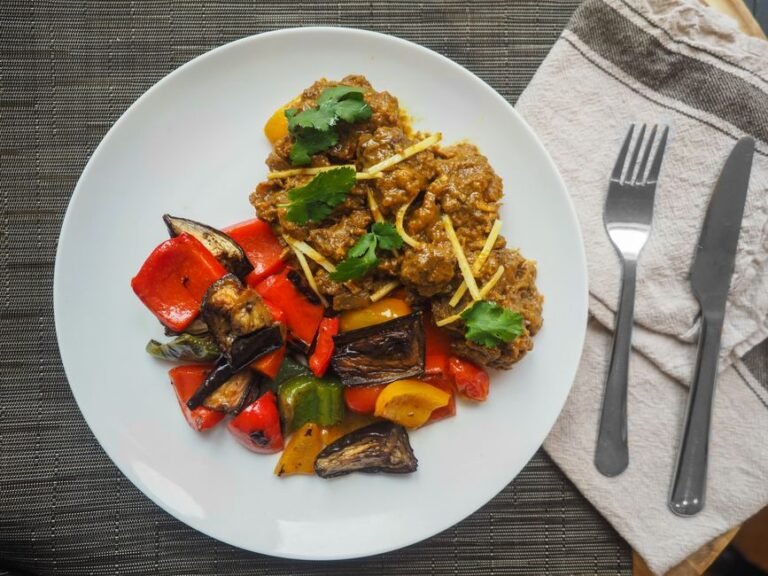
Dal Bhat is the everyday heart of Bangladeshi home cooking: a warmly spiced red lentil stew ladled over fluffy steamed rice and served with crisp fried garlic-tomato bhaja, fresh greens, and sharp green chili. Mustard oil and a toasted spice tempering give the dish its signature earthy, smoky character. It is humble, deeply nourishing, and the plate that anchors a Bangladeshi table.
Prep Time15 mins
Cook Time40 mins
Total Time55 mins
Servings4
Yield4 servings
Nutrition Facts
Per serving (estimated)
- 540 kcalCalories
- 14 gFat
- 2 gSaturated Fat
- 86 gCarbs
- 11 gFiber
- 4 gSugar
- 22 gProtein
- 620 mgSodium
- 780 mgPotassium
- 95 mgCalcium
- 6.5 mgIron
- 18 mgVitamin C
- 40 mcgVitamin A
Ingredients
For the lentils (dal)
- 1 1/2 cups masoor dal (red lentils), rinsed until water runs clear
- 3 cups water
- 1/2 teaspoon ground turmeric
- 1 teaspoon salt, plus more to taste
- 1 medium tomato, finely chopped
- 2 green Thai chilies, slit lengthwise
For the rice (bhat)
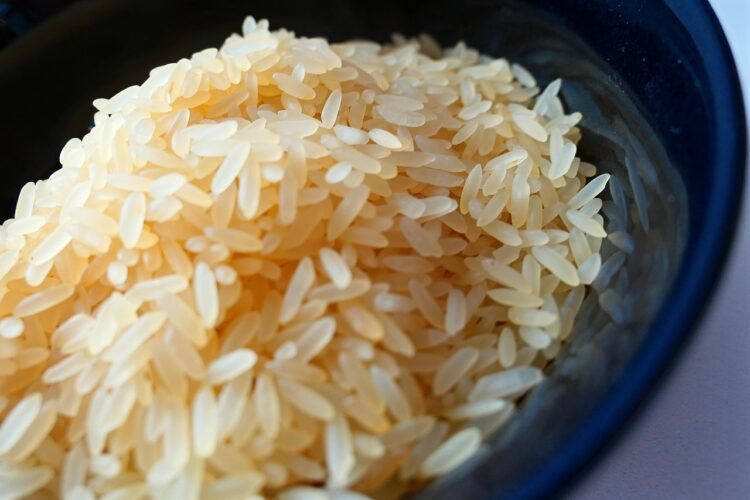
- 2 cups parboiled or basmati rice
- 3 1/2 cups water
- 1/2 teaspoon salt
- 1 bay leaf
For the spice tempering (bhaja)
- 3 tablespoons mustard oil
- 1 teaspoon cumin seeds
- 2 dried red chilies
- 1 medium red onion, finely chopped
- 1 tablespoon grated ginger
- 4 garlic cloves, minced
- 1 teaspoon ground coriander
- 1/2 teaspoon red chili powder
- 1/4 teaspoon garam masala
- 2 tablespoons chopped cilantro
For serving (classic accompaniments)
- 1 medium cucumber, sliced
- 1 small bunch spinach or radish greens, quickly sauteed with a pinch of salt
- 4 green chilies, lightly smashed
- 1 lemon, cut into wedges
Directions
- Rinse the lentils in cold water 3 to 4 times until the water runs clear, then combine in a heavy pot with 3 cups water, turmeric, and salt. Bring to a boil, skim off any foam, then simmer uncovered for 20 to 25 minutes, stirring occasionally, until the lentils break down into a soft, soupy porridge. Stir in the chopped tomato and slit green chilies during the last 5 minutes.
- While the dal cooks, rinse the rice until the water is almost clear. Add to a pot with 3 1/2 cups water, salt, and the bay leaf. Bring to a boil, reduce heat to low, cover tightly, and steam for 12 to 15 minutes until the rice is tender and water is absorbed. Remove from heat and let rest, covered, for 5 minutes, then fluff with a fork.
- Heat the mustard oil in a small skillet over medium heat until it just begins to smoke and turn pale gold. Add the cumin seeds and dried red chilies and let them sizzle for 20 seconds until fragrant.
- Add the chopped onion to the hot oil and saute for 4 to 5 minutes until deeply golden at the edges. Stir in the ginger and garlic and cook for another minute until the raw smell disappears.
- Sprinkle in the ground coriander, red chili powder, and garam masala. Cook for 30 seconds, then pour the entire sizzling tempering into the cooked dal. Stir well, taste, and adjust salt. Simmer together for 3 minutes so the flavors marry, then finish with chopped cilantro.
- Quickly saute the spinach or radish greens with a pinch of salt and a splash of mustard oil until just wilted, about 2 minutes. Slice the cucumber and prepare the green chilies and lemon wedges.
- To plate, mound a generous scoop of rice on one side of a wide plate or shallow bowl, ladle the hot dal across the other side, and spoon a little over the rice. Serve alongside the wilted greens, cucumber slices, smashed green chilies, and lemon wedges.
Cook’s Notes
- Mustard oil is essential for authentic flavor; if unavailable, use a neutral oil plus 1/2 teaspoon toasted mustard seeds in the tempering.
- Bangladeshi home cooks often cook dal a little looser than a thick stew, since it should soak into the rice as you eat.
- For a heartier meal, add a simple fried egg or a piece of pan-fried hilsa or any small white fish alongside the dal.
- Leftover dal thickens significantly when chilled; loosen with a splash of hot water and reheat gently on the stove.
- Adjust green chilies and red chili powder up or down to taste; Bangladeshi dal ranges from mildly spiced to fiery depending on the household.