 (No Ratings Yet)
 Loading...
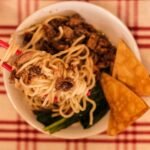
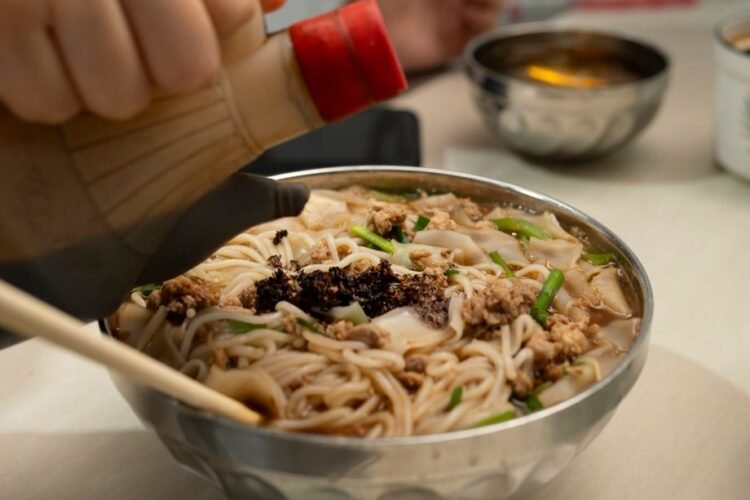
Biangbiang noodles are a signature dish from Shaanxi province, named for the loud slapping sound the dough makes as it is pulled and stretched by hand. The wide, chewy ribbons are typically served with a sizzling chili oil sauce and seasonal greens for a hearty, spicy meal. Making them at home is a satisfying project that rewards you with one of China's most distinctive noodle experiences.
Prep Time45 mins
Cook Time15 mins
Total Time60 mins
Servings4
Yield4 servings
Nutrition Facts
Per serving (estimated)
- 580 kcalCalories
- 24 gFat
- 4 gSaturated Fat
- 72 gCarbs
- 4 gFiber
- 3 gSugar
- 16 gProtein
- 920 mgSodium
- 380 mgPotassium
- 85 mgCalcium
- 5 mgIron
- 22 mgVitamin C
- 320 mcgVitamin A
Ingredients
For the noodle dough
- 3 cups (400 g) bread flour or high-gluten flour
- 1 cup (240 ml) cold water, plus 1–2 tbsp more if needed
- 1 tsp fine sea salt
- 2 tbsp neutral oil, plus extra for coating
For the spicy sauce base
- 3 tbsp light soy sauce
- 2 tbsp Chinkiang black vinegar
- 1 tbsp dark soy sauce
- 3 tbsp chili oil with sediment
- 4 cloves garlic, finely minced
- 1 tsp ground toasted Sichuan peppercorn (optional)
For the toppings
- 8 oz (225 g) baby bok choy or spinach
- 2 large eggs
- 4 scallions, thinly sliced
- 3 tbsp neutral oil for the sizzle
- 1 tsp toasted white sesame seeds
Directions
- In a large bowl, stir the flour and salt together, then add the water gradually and mix with chopsticks until a shaggy dough forms. Turn out onto a surface and knead for 8–10 minutes until smooth and firm, then cover with a damp towel and let rest at room temperature for at least 1 hour, or up to 2 hours.
- Divide the rested dough into 8 equal portions and roll each into a short thick rope about 4 inches long. Brush generously with oil, place on a tray, cover, and let rest another 30 minutes so the gluten relaxes for pulling.
- Meanwhile, bring a large pot of water to a rolling boil. In each of 4 wide serving bowls, combine the light soy sauce, dark soy sauce, black vinegar, minced garlic, and ground Sichuan peppercorn if using; set aside.
- To pull a noodle, take one oiled piece of dough, press a chopstick or your finger down the center to create a deep groove, then grasp both ends and pull outward while rhythmically slapping the dough against the work surface until it stretches into a ribbon about 2 inches wide and 24 inches long. Repeat with remaining portions.
- Drop the stretched noodles one by one into the boiling water and cook for 2–3 minutes, stirring gently so they do not stick. Add the bok choy to the pot for the final 30 seconds, then drain everything together.
- While the noodles cook, heat 2 tablespoons of neutral oil in a small pan over medium-high heat until just smoking. In a separate skillet, fry the eggs sunny-side up until the whites are crisp at the edges.
- Divide the cooked noodles and greens among the prepared bowls. Top each portion with a fried egg, a sprinkle of scallions, and a spoonful of chili oil with its sediment.
- Immediately pour the smoking-hot oil over the toppings in each bowl so it sizzles dramatically and blooms the chili and garlic aromas. Finish with sesame seeds and serve right away.
Cook’s Notes
- Bread flour gives the chewiest, most elastic noodles, but all-purpose flour works if you knead it thoroughly.
- The longer the dough rests, the easier it is to pull — do not skip the resting time or the dough will snap back.
- For authentic flavor, use coarse Chinese chili flakes (facing heaven pepper) in your chili oil rather than standard chili powder.
- A wok is ideal for the final sizzle because its thin metal holds heat and intensifies the aroma of the chili oil.
- Leftover cooked noodles can be pan-fried the next day with a splash of soy sauce for a quick breakfast.