(No Ratings Yet)
 Loading...
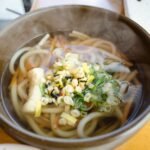
Kake Udon is the simplest and most beloved form of Japanese udon – plump wheat noodles swimming in a clear, savory dashi broth. It is the ultimate Japanese comfort food, ready in minutes and endlessly adaptable with simple toppings. Perfect for cold nights, sick days, or whenever you need a warm bowl of pure, understated comfort.
Prep Time10 mins
Cook Time20 mins
Total Time30 mins
Servings4
Yield4 servings
Nutrition Facts
Per serving (estimated)
- 385 kcalCalories
- 3 gFat
- 0.5 gSaturated Fat
- 76 gCarbs
- 3 gFiber
- 5 gSugar
- 14 gProtein
- 1180 mgSodium
- 260 mgPotassium
- 45 mgCalcium
- 2.2 mgIron
- 1.5 mgVitamin C
- 35 mcgVitamin A
Ingredients
For the Dashi Broth
- 4 cups (950 ml) cold water
- 1 piece kombu (dried kelp), about 4 inches long
- 1 cup (15 g) katsuobushi (dried bonito flakes)
- 1/3 cup (80 ml) soy sauce
- 3 tbsp (45 ml) mirin
- 1 tsp granulated sugar
- 1 tsp kosher salt
For the Noodles and Toppings
- 14 oz (400 g) fresh or frozen udon noodles
- 3 green onions, thinly sliced on the bias
- 1 sheet toasted nori, cut into thin strips
- 2 tbsp tenkasu (tempura crumbs), optional
- Shichimi togarashi, for serving
Directions
- Wipe the kombu with a damp cloth to remove any grit, then soak it in 4 cups of cold water for 30 minutes to begin extracting its umami.
- Slowly heat the kombu and water over medium heat; just before the water reaches a boil, remove and discard the kombu – boiling makes it bitter and slimy.
- Add the katsuobushi to the pot, turn off the heat, and let the flakes steep for 4 minutes until they sink. Strain the dashi through a fine-mesh sieve lined with cheesecloth, discarding the flakes.
- Return the clear dashi to the pot, stir in the soy sauce, mirin, sugar, and salt, and keep it warm over very low heat.
- Bring a separate pot of water to a boil and cook the udon noodles according to package directions: fresh noodles take 1 to 2 minutes, frozen noodles about 3 to 4 minutes, until just tender.
- Drain the noodles and quickly rinse them under cold running water to remove excess starch, shaking off the excess water.
- Divide the hot noodles evenly among 4 large, deep bowls.
- Ladle about 1 cup of the hot seasoned dashi over the noodles in each bowl.
- Top each bowl with sliced green onions, nori strips, and a sprinkle of tenkasu if using. Serve immediately with shichimi togarashi on the side for guests to adjust the heat.
Cook’s Notes
- Never boil kombu; remove it just before simmering to keep the dashi clear and clean-tasting.
- Fresh vacuum-sealed udon has the best chewy texture, but high-quality dried udon also works well – just follow package cook times.
- The dashi broth can be made up to 2 days ahead and stored covered in the refrigerator; reheat gently before serving.
- For extra richness, add a soft-boiled egg, a slice of kamaboko fish cake, or a few pieces of shrimp tempura on top.
- A small drizzle of toasted sesame oil or a pinch of grated fresh ginger brightens the broth beautifully.