 (No Ratings Yet)
 Loading...
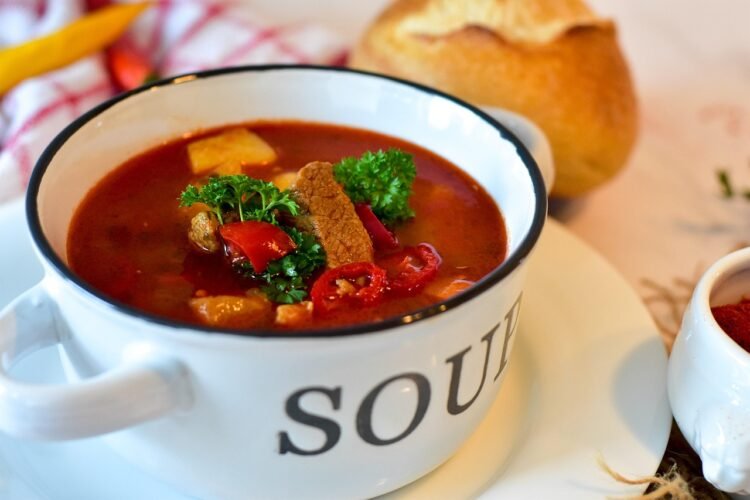
Dizi, also called abgoosht, is one of Iran's most beloved traditional comfort foods. Lamb and chickpeas are slowly simmered until meltingly tender, then the broth is strained off and the solids are pounded into a rich mash called gusht. Served together with flatbread, fresh herbs, and raw onion, it's a deeply satisfying meal that has warmed Iranian households for centuries.
Prep Time25 mins
Cook Time240 mins
Total Time265 mins
Servings4
Yield4 servings (broth + mash)
Nutrition Facts
Per serving (estimated)
- 615 kcalCalories
- 28 gFat
- 11 gSaturated Fat
- 48 gCarbs
- 11 gFiber
- 7 gSugar
- 42 gProtein
- 780 mgSodium
- 1180 mgPotassium
- 95 mgCalcium
- 6 mgIron
- 18 mgVitamin C
- 85 mcgVitamin A
Ingredients
For the stew base
- 2 lbs (900 g) bone-in lamb shoulder or shank, cut into 2-inch pieces
- 1 cup (200 g) dried chickpeas, soaked overnight and drained
- 1/2 cup (100 g) dried white beans (lima or cannellini), soaked overnight and drained
- 1 large yellow onion, quartered
- 2 medium tomatoes, grated (about 1 cup pulp)
- 2 tablespoons tomato paste
- 2 teaspoons ground turmeric
- 1 whole dried Persian lime (limoo amani), pierced with a fork
- 1 large potato, peeled and quartered
- 8 cups (2 L) cold water
- 1 1/2 teaspoons kosher salt, plus more to taste
- 1 teaspoon freshly ground black pepper
For serving
- 1 large flatbread (sangak or lavash), torn into pieces
- 1 small onion, finely diced
- 1/2 cup fresh mint leaves
- 1/2 cup fresh flat-leaf parsley
- 4 tablespoons unsalted butter, melted
- 1 teaspoon ground dried saffron dissolved in 2 tablespoons hot water
Directions
- Pat the lamb pieces dry, season with 1 teaspoon salt and the black pepper. Heat a heavy Dutch oven over medium-high heat and sear the lamb on all sides until deep golden brown, about 3 minutes per side. Work in batches to avoid crowding.
- Add the quartered onion, grated tomato, tomato paste, turmeric, and dried lime to the pot. Stir for 2 minutes until the tomato paste darkens and releases its aroma.
- Add the soaked chickpeas, white beans, potato, and 8 cups of cold water. Bring to a boil, skim any foam from the surface, then reduce the heat to the lowest possible setting. Cover partially and simmer undisturbed for 4 hours, until the lamb is fork-tender and the chickpeas have broken down to thicken the liquid.
- Carefully strain the broth through a fine-mesh sieve into a separate pot; this golden liquid is called teleet. Keep it warm over low heat and season with additional salt if needed.
- Remove the meat from the strainer and discard the bones, dried lime, potato chunks, and any large bay-like aromatics. Transfer the meat, chickpeas, and beans to a large mortar or heavy bowl. Pound firmly with a wooden pestle (or use a potato masher) for 4-5 minutes until the mixture becomes a cohesive, slightly chunky paste called gusht.
- Stir the melted butter and half of the saffron water into the mashed solids until fully incorporated and glossy. Taste and adjust salt.
- To serve, place a generous mound of the saffron-butter mash (gusht) in the center of a wide shallow bowl. Arrange torn flatbread pieces around it and scatter the diced raw onion and fresh herbs on top.
- Ladle the hot golden broth into small individual bowls alongside the mash. Diners traditionally crumble pieces of the bread into the broth, eat the mash with onion and herbs as a main, and sip the bread-soaked broth between bites.
- Drizzle the remaining saffron water over the mash just before serving for color and aroma.
Cook’s Notes
- A clay dizi pot is traditional and imparts an earthy flavor, but a heavy enameled Dutch oven produces excellent results with far less risk of cracking on a stovetop.
- If you don't have dried Persian lime, substitute 2 tablespoons of fresh lime juice added at the end; the flavor will be brighter but less complex.
- Soaking the legumes overnight is essential for even cooking; a pinch of baking soda in the soaking water helps them break down into the mash.
- Some cooks return a small portion of the strained broth to the mash to loosen it; keep extra teleet warm in case diners want more.
- For an authentic presentation, serve everything on a single large platter so diners can assemble bites of mash, herbs, and bread themselves.