 (No Ratings Yet)
 Loading...
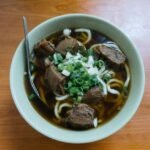
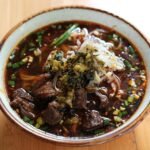
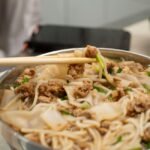
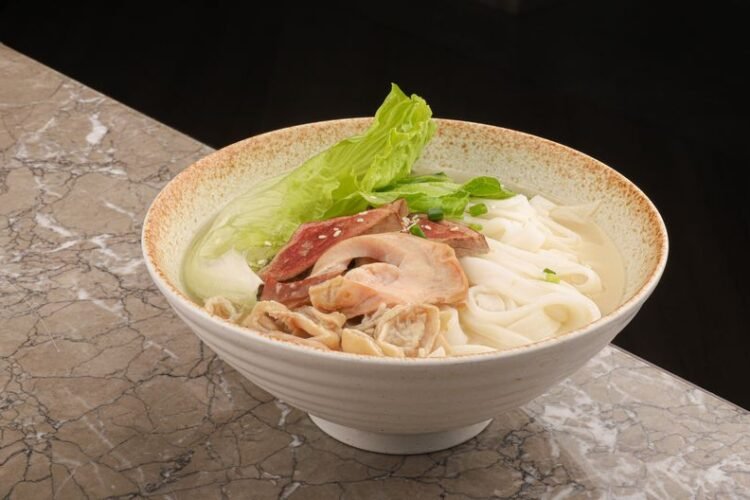
Hui Mian is the signature noodle dish of Henan province, prized for its wide hand-pulled noodles swimming in a richly seasoned bone broth. Tender lamb, earthy mushrooms, and crisp greens round out this comforting bowl, traditionally eaten at lunch counters across Zhengzhou.
Prep Time20 mins
Cook Time60 mins
Total Time80 mins
Servings4
Yield4 servings
Nutrition Facts
Per serving (estimated)
- 625 kcalCalories
- 22 gFat
- 8 gSaturated Fat
- 65 gCarbs
- 4 gFiber
- 5 gSugar
- 38 gProtein
- 1180 mgSodium
- 720 mgPotassium
- 180 mgCalcium
- 5 mgIron
- 18 mgVitamin C
- 220 mcgVitamin A
Ingredients
For the Lamb Broth
- 1.5 lb lamb shoulder, cut into 1-inch cubes
- 1 lb lamb bones
- 10 cups cold water
- 2 star anise
- 1 cinnamon stick
- 2 bay leaves
- 1 inch fresh ginger, smashed
- 2 tbsp Shaoxing wine
For the Noodles
- 1 lb fresh wide Chinese noodles (about 1/4 inch wide)
- 2 tbsp all-purpose flour for dusting
For the Toppings
- 6 dried shiitake mushrooms, soaked and sliced
- 1/4 cup dried wood ear mushrooms, soaked
- 8 oz firm tofu, cubed
- 4 baby bok choy, halved
- 1/2 cup soybean sprouts, rinsed
For the Seasonings
- 3 tbsp light soy sauce
- 1 tbsp dark soy sauce
- 1 tsp salt, plus more to taste
- 1 tsp ground white pepper
- 4 cloves garlic, minced
- 2 tbsp vegetable oil
- 1 tbsp sesame oil
- 4 scallions, finely chopped
Directions
- In a large pot, combine lamb, bones, and cold water. Bring to a boil over high heat, skim off any foam, then add star anise, cinnamon, bay leaves, ginger, and Shaoxing wine. Reduce heat and simmer gently, partially covered, for 50 minutes until the lamb is fork-tender.
- While the broth simmers, prepare the toppings: soak the shiitake and wood ear mushrooms in warm water for 20 minutes until softened, then drain and slice, reserving the soaking liquid. Cube the tofu, halve the bok choy, and rinse the sprouts.
- Heat 2 tablespoons of vegetable oil in a skillet over medium-high heat. Add the cubed tofu and pan-fry until golden on all sides, about 4 minutes. Add the sliced shiitake and wood ear mushrooms, stir-fry for 2 minutes, then pour in the reserved mushroom soaking liquid and reduce for 3 minutes. Set aside.
- Strain the broth into another large pot, discarding the bones and whole spices. Return the cooked lamb to the broth and bring to a gentle boil. Stir in the light and dark soy sauce, salt, and white pepper; taste and adjust seasoning.
- Add the bok choy, soybean sprouts, and the prepared tofu-mushroom mixture to the broth. Simmer for 3 minutes until the greens are just wilted. Stir in the minced garlic and sesame oil, then remove from heat.
- Bring a separate large pot of water to a rolling boil. Add the wide noodles and cook according to package directions, usually 3 to 5 minutes, until just tender but still chewy. Drain well and divide among four large, deep bowls.
- Ladle the hot lamb broth with its toppings generously over the noodles in each bowl, making sure each serving gets equal portions of lamb, tofu, mushrooms, and greens.
- Sprinkle each bowl with chopped scallions and an extra pinch of white pepper. Serve immediately with chili oil, black vinegar, and extra soy sauce on the side so each diner can adjust to taste.
Cook’s Notes
- If you cannot find fresh wide noodles, substitute 12 oz of dried thick wheat noodles; cook them slightly less than the package says since they will soften further in the hot broth.
- For a milky, richer broth, briefly blanch the bones in boiling water for 5 minutes before starting the main simmer; this removes impurities and helps collagen dissolve into the liquid.
- Traditionally Hui Mian is served with a small dish of chili oil and black vinegar on the side; add a spoonful of each for an authentic Zhengzhou-style flavor boost.
- Store leftover broth separately from the noodles to prevent the noodles from soaking up all the liquid and turning mushy overnight; reheat broth and cook fresh noodles for serving.
- If using only lamb bones without meat, add 1.5 lb of boneless lamb shoulder; the long simmer will keep it tender and flavorful, and you can shred it before topping the noodles.