 (No Ratings Yet)
 Loading...
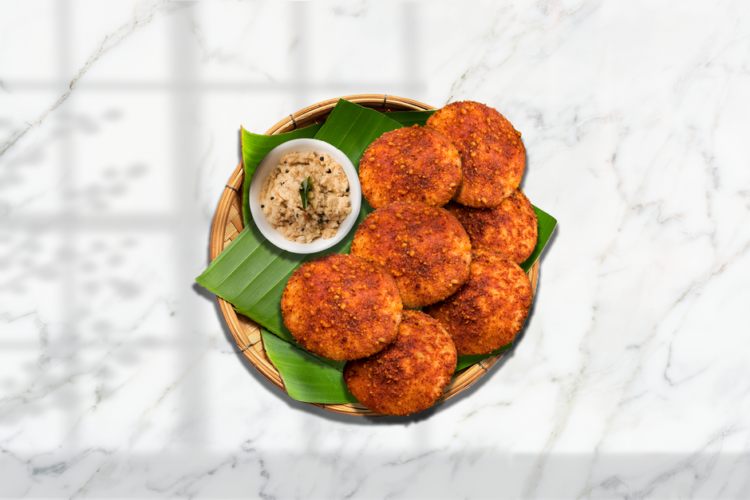
Appam are bowl-shaped rice pancakes from Kerala with lacy, crisp edges and pillowy soft centers, traditionally paired with ishtu – a delicate coconut milk vegetable stew scented with whole spices and curry leaves. The mild, gently sweet stew complements the slightly tangy fermented pancakes beautifully, making this a beloved comforting meal across South Indian homes and church feasts.
Prep Time25 mins
Cook Time35 mins
Total Time60 mins
Servings4
Yield4 servings (about 12 appam + 4 bowls stew)
Nutrition Facts
Per serving (estimated)
- 510 kcalCalories
- 22 gFat
- 14 gSaturated Fat
- 64 gCarbs
- 6 gFiber
- 5 gSugar
- 9 gProtein
- 390 mgSodium
- 620 mgPotassium
- 80 mgCalcium
- 4 mgIron
- 28 mgVitamin C
- 380 mcgVitamin A
Ingredients
For the rice pancakes (appam)
- 1 1/2 cups raw short-grain rice (sona masuri or idli rice), soaked 4 hours
- 2 tablespoons cooked white rice
- 1 cup thin fresh coconut milk
- 1 teaspoon active dry yeast
- 1 teaspoon sugar
- 1/2 teaspoon salt
- 3/4 cup warm water
- 1 tablespoon coconut oil for greasing the pan
For the vegetable coconut stew (ishtu)
- 2 tablespoons coconut oil
- 1 small yellow onion, thinly sliced
- 1 sprig fresh curry leaves
- 1 small cinnamon stick (1 inch)
- 3 whole green cardamom pods
- 3 whole cloves
- 2 dried bay leaves
- 4 whole black peppercorns
- 1 inch fresh ginger, thinly julienned
- 2 green chilies, slit lengthwise
- 1 cup peeled and diced russet potatoes (1/2 inch cubes)
- 1 cup green beans, cut into 1 inch pieces
- 2 medium carrots, peeled and sliced into thin rounds
- 1/3 cup fresh or frozen green peas
- 1 1/2 cups thin coconut milk (second or third press)
- 3/4 cup thick coconut milk (first press)
- 1/2 teaspoon freshly cracked black pepper
- 1 1/4 teaspoons fine sea salt, or to taste
For garnish
- 2 tablespoons golden fried cashews
- 1 tablespoon thinly sliced fried coconut (optional)
- 2 tablespoons chopped cilantro
Directions
- Drain the soaked raw rice and cooked rice, then blend with the warm water, yeast, and sugar to form a smooth, slightly grainy batter. Add the thin coconut milk and salt, blend briefly, and transfer to a deep bowl; cover and let ferment in a warm spot for 6 to 8 hours until the batter is airy, bubbly, and almost doubled in volume.
- To begin the stew, heat the coconut oil in a heavy saucepan over medium heat. Add the cinnamon, cardamom, cloves, bay leaves, peppercorns, and curry leaves; let them sizzle for 20 to 30 seconds until fragrant. Stir in the sliced onion, ginger, and slit green chilies, and saute for 4 to 5 minutes until the onion turns translucent and lightly golden at the edges.
- Add the diced potatoes, carrots, and green beans along with the thin coconut milk and sea salt. Bring to a gentle simmer, cover, and cook for 10 to 12 minutes until the vegetables are fork-tender but still hold their shape. Stir in the green peas and cook uncovered for 2 more minutes.
- Pour in the thick coconut milk and add the cracked black pepper. Warm the stew gently for 2 to 3 minutes without letting it boil; remove from heat immediately so the coconut milk stays creamy and does not split. Taste and adjust salt, then cover to keep warm.
- When the batter has fermented, stir it gently without deflating too much. The consistency should be slightly thicker than crepe batter; add a few tablespoons of warm water if needed to reach a flowing but coating texture. Heat an appam pan (a small wok-like pan with curved sides) over medium heat and brush lightly with coconut oil.
- Ladle about 1/3 cup of batter into the center of the hot pan, then immediately lift and swirl the pan to spread the batter up the sides in a thin lacy ring, leaving the center slightly thicker. Cover and cook for 90 seconds to 2 minutes until the edges are crisp and golden brown and the center is set and glossy. Uncover, loosen the edges with a silicone spatula, and gently slide onto a plate. Repeat with the remaining batter to make 12 pancakes.
- Ladle the warm stew into shallow bowls, sprinkle with fried cashews, optional fried coconut, and fresh cilantro. Serve immediately with the appam stacked alongside so diners can tear pieces and dunk into the stew.
Cook’s Notes
- A traditional appam pan (appe/paniyaram pan with high curved sides) is essential for the signature lacy edges; a nonstick skillet will yield a flat pancake instead.
- First-press coconut milk is the thick, creamy variety used to finish the stew, while second- or third-press milk is the thin, watery milk added to cook the vegetables; never boil the thick milk or it will split.
- For extra tender appam, use cooked rice in the batter to introduce natural starch that produces the soft, fluffy center once fermented.
- Let the stew sit off heat for 5 minutes before serving so the flavors meld and the coconut milk thickens naturally into a silky coating on the vegetables.
- Leftover appam batter keeps in the fridge for up to 2 days and makes excellent crisp-edged dosas the next morning.