 (No Ratings Yet)
 Loading...
A signature winter dish from Surat, this Surti-style mixed vegetable stew layers crisp flat beans, baby brinjals, root vegetables, and pan-fried fenugreek dumplings in a fragrant green coriander and ginger paste. Slow-cooked together until the vegetables soften and absorb the herbaceous masala, it is traditionally served with rotli, puri, or steamed rice for a deeply comforting meal.
Prep Time25 mins
Cook Time45 mins
Total Time70 mins
Servings4
Yield4 servings
Nutrition Facts
Per serving (estimated)
- 365 kcalCalories
- 17 gFat
- 2.5 gSaturated Fat
- 48 gCarbs
- 9 gFiber
- 8 gSugar
- 9 gProtein
- 620 mgSodium
- 780 mgPotassium
- 95 mgCalcium
- 4 mgIron
- 32 mgVitamin C
- 180 mcgVitamin A
Ingredients
For the mixed vegetables
- 200 g Surti papdi (flat beans), trimmed and stringed
- 8 baby brinjals (eggplants), stems trimmed
- 4 baby potatoes, peeled
- 1 small raw banana, peeled and cubed
- 100 g yam (suran), peeled and cubed
- 1 small sweet potato, peeled and cubed
- 1 medium tomato, finely chopped
For the fenugreek dumplings
- 1 cup fresh fenugreek (methi) leaves, chopped
- 1/2 cup gram flour (besan)
- 2 tablespoons whole wheat flour
- 1 tablespoon neutral oil
- 1/4 teaspoon turmeric powder
- 1 teaspoon red chili powder
- 1 teaspoon coriander-cumin powder
- 1/4 teaspoon baking soda
- Salt to taste
For the green herb paste
- 1 cup fresh coriander leaves, packed
- 1/2 cup fresh mint leaves
- 4 large garlic cloves
- 1 inch fresh ginger, peeled
- 3 green chilies
- 1 teaspoon cumin seeds
- 2 tablespoons water
For the tempering and assembly
- 3 tablespoons peanut oil
- 1 teaspoon mustard seeds
- 1 teaspoon cumin seeds
- 1 teaspoon sesame seeds
- A pinch of asafoetida (hing)
- 1/2 teaspoon turmeric powder
- 1 teaspoon red chili powder
- 2 teaspoons coriander-cumin powder
- 1 teaspoon garam masala
- 1 teaspoon sugar
- 2 tablespoons lemon juice
- Salt to taste
Directions
- Make the fenugreek dumplings: combine chopped methi, gram flour, whole wheat flour, oil, spices, baking soda, and salt in a bowl. Knead into a stiff dough, shape into 12-14 small oblong dumplings, and shallow-fry in 1 tablespoon oil until golden on all sides. Set aside.
- Prepare the herb paste by blending the coriander, mint, garlic, ginger, green chilies, and cumin seeds with 2 tablespoons water into a smooth, thick paste.
- Heat the remaining 2 tablespoons oil in a heavy-bottomed pot over medium heat. Add mustard seeds and let them splutter, then add cumin seeds, sesame seeds, and a pinch of asafoetida.
- Stir in the chopped tomato and cook for 2 minutes until soft. Add turmeric, red chili powder, coriander-cumin powder, and garam masala, and sauté for 30 seconds until fragrant.
- Add the green herb paste and cook for 3-4 minutes until the oil begins to separate from the masala. Stir in the Surti papdi, baby potatoes, yam, sweet potato, raw banana, and whole brinjals along with 1 cup water and salt.
- Cover and simmer on low heat for 25-30 minutes, stirring gently every 8-10 minutes so the vegetables cook evenly without breaking. Add a splash of water if the pot looks dry.
- Nestle the fried fenugreek dumplings on top, sprinkle with sugar, cover, and cook for another 8-10 minutes until the vegetables are tender and the dumplings have absorbed the flavors.
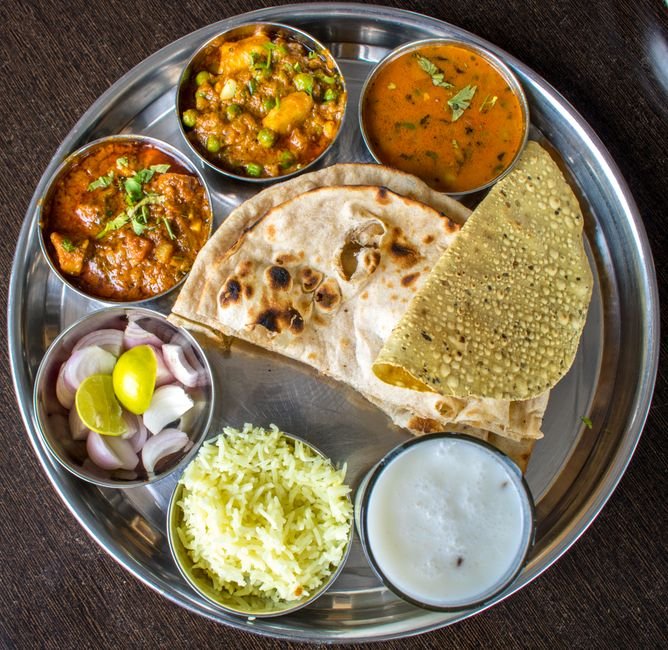
- Finish with a squeeze of lemon juice, gently toss once, and let the stew rest off the heat for 5 minutes before serving hot with rotli, puri, or steamed rice.
Cook’s Notes
- Surti papdi (valor) is essential for authentic flavor; substitute with a mix of broad beans and runner beans if unavailable, though the taste will differ slightly.
- Always add the brinjals whole and baby potatoes with skin removed only if large; keeping them whole helps them hold shape during the long simmer.
- For an even richer flavor, drizzle 1 tablespoon of toasted sesame oil over the finished stew just before serving.
- Leftover undhiyu tastes even better the next day as the dumplings soak up the masala; reheat gently with a splash of water.
- If the masala gets too thick while cooking, add hot water a tablespoon at a time to maintain a moist, spoonable consistency rather than a dry stir-fry.