 (No Ratings Yet)
 Loading...
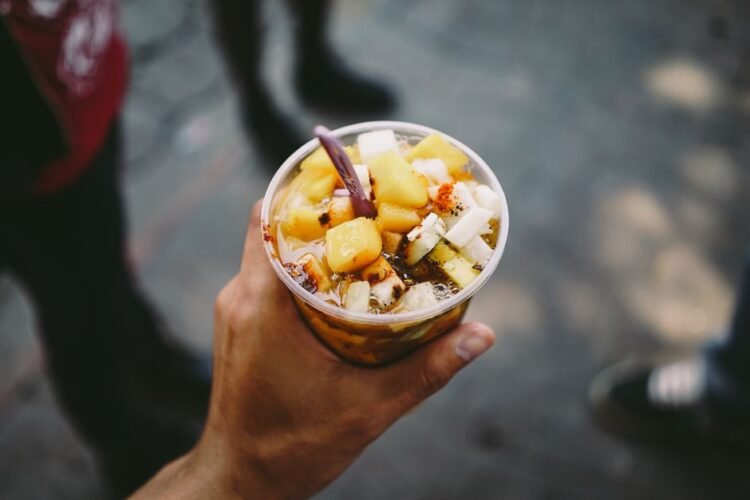
Rujak Serut is a beloved Indonesian street snack from East Java in which crisp unripe fruits are shaved into delicate wisps and bathed in a bold, hot-sweet palm sugar sauce. The contrast of crunchy icy fruit against molten, chili-spiked caramel is a hallmark of Indonesian rujak culture. Best eaten fresh, it is a lively mix of sweet, sour, salty, and fiercely spicy flavors in every spoonful.
Prep Time20 mins
Cook Time5 mins
Total Time25 mins
Servings4
Yield4 servings
Nutrition Facts
Per serving (estimated)
- 285 kcalCalories
- 1.5 gFat
- 0.3 gSaturated Fat
- 68 gCarbs
- 5 gFiber
- 48 gSugar
- 2.5 gProtein
- 380 mgSodium
- 420 mgPotassium
- 65 mgCalcium
- 1.2 mgIron
- 55 mgVitamin C
- 120 mcgVitamin A
Ingredients
For the Shaved Fruit
- 1 large green unripe mango, peeled (about 250 g)
- 1/2 small green papaya, peeled and seeded (about 250 g)
- 1 small jicama (bengkoang), peeled (about 150 g)
- 1/4 small ripe pineapple, peeled and cored (about 200 g)
- 2 tablespoons freshly squeezed lime juice, to toss the fruit
For the Spicy Palm Sugar Sauce
- 150 g dark palm sugar (gula merah), finely chopped
- 2 tablespoons thick tamarind paste (asam jawa)
- 1/2 teaspoon toasted shrimp paste (terasi), crumbled
- 5–7 Thai or bird's eye chilies (cabe rawit), stemmed
- 1/2 teaspoon fine sea salt
- 3–4 tablespoons warm water
For Serving
- 2 cups finely crushed ice
- 1 lime, cut into small wedges
- 2 tablespoons roasted unsalted peanuts, coarsely crushed
- 1 tablespoon toasted white sesame seeds
Directions
- Peel the mango, papaya, jicama, and pineapple. Using a sharp julienne peeler, fine shredder, or the traditional bamboo parutan, shave each fruit lengthwise into thin, almost translucent ribbons, working directly onto a chilled plate to keep them crisp.
- Transfer the shaved fruit to a large bowl, gently toss with the lime juice to prevent browning, and return to the refrigerator while you prepare the sauce.
- Combine the chopped palm sugar, tamarind paste, shrimp paste, salt, and 3 tablespoons of warm water in a small heavy saucepan over low heat. Stir constantly until the palm sugar fully melts and the sauce becomes a glossy, slightly thickened syrup, about 4 minutes; add the extra water only if needed to loosen.
- In a mortar, pound the bird's eye chilies to a coarse paste. Stir the chili paste into the warm sauce off the heat, taste, and balance the seasoning—you want the syrupy sauce to be deeply sweet, salty-sour, and noticeably hot.
- To assemble, mound the chilled shaved fruit into four shallow bowls and top each with a generous layer of crushed ice.
- Spoon the warm palm sugar sauce generously over the ice and fruit so it melts slightly on contact, scatter the crushed peanuts and sesame seeds over the top, and finish with a lime wedge for squeezing.
- Serve immediately with small forks or long spoons, encouraging diners to toss the fruit, ice, and sauce together so every bite gets coated in the fiery caramel.
- Repeat quickly between batches; rujak serut should always be eaten the moment the ice is still crunchy and the sauce is just warm.
- Store any leftover shaved fruit (without sauce) in an airtight container in the refrigerator for up to 1 day; the sauce can be refrigerated separately for up to 2 weeks and gently rewarmed before serving.
Cook’s Notes
- Choose very firm, fully green mangoes and papayas; their bright acidity and crunchy texture are essential to balance the sweet, sticky sauce.
- For the most authentic serut strands, use a traditional metal or bamboo julienne grater, peeling in long, paper-thin strips rather than chopping.
- Adjust chilies to taste—East Javanese street vendors often use 8–10 bird's eye chilies, while gentler home versions use only 2–3 for a milder kick.
- Melt palm sugar gently over low heat so it caramelizes without burning or hardening; if it seizes, splash in a little warm water to bring it back to a pourable syrup.
- Assemble only right before serving so the crushed ice stays crunchy and the sauce stays warm enough to melt luxuriously over the fruit.
- For a vegan version, simply omit the terasi (shrimp paste); the dish remains beautifully balanced thanks to the tamarind and salt.