 (No Ratings Yet)
 Loading...
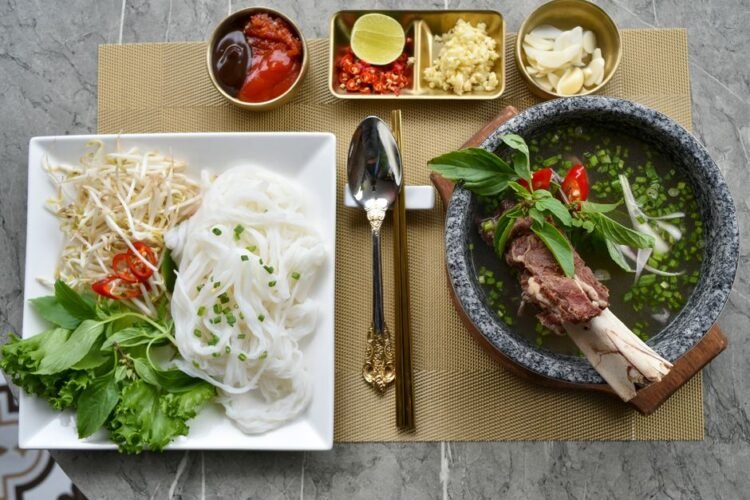
A signature dish from Makassar in South Sulawesi, Konro features tender beef ribs slowly simmered in a clear, deeply aromatic broth perfumed with lemongrass, galangal, and tamarind. Unlike the thicker, peanut-enriched Coto Makassar, Konro relies on a translucent, herbaceous consommé that lets the slow-cooked beef flavor take center stage.
Prep Time25 mins
Cook Time130 mins
Total Time155 mins
Servings4
Yield4 servings
Nutrition Facts
Per serving (estimated)
- 470 kcalCalories
- 24 gFat
- 9 gSaturated Fat
- 12 gCarbs
- 2 gFiber
- 5 gSugar
- 46 gProtein
- 780 mgSodium
- 720 mgPotassium
- 85 mgCalcium
- 6 mgIron
- 10 mgVitamin C
- 45 mcgVitamin A
Ingredients
For the ribs and broth
- 2 lbs (1 kg) beef short ribs, cut into 2-inch pieces
- 10 cups (2.4 L) cold water
- 1 tbsp salt for the parboil
For the spice paste
- 8 shallots, peeled and quartered
- 6 garlic cloves, peeled
- 4 candlenuts, soaked in warm water 10 minutes
- 1 tbsp coriander seeds, toasted
- 1 tsp white peppercorns
- 1-inch piece fresh ginger, peeled
- 1-inch piece fresh galangal, peeled
For the aromatics and seasoning
- 2 lemongrass stalks, smashed and tied in a knot
- 1-inch piece ginger, sliced thin
- 4 fresh kaffir lime leaves, torn
- 2 Indonesian salam leaves (or substitute 2 bay leaves)
- 1 pandan leaf, tied (optional)
- 1 tbsp tamarind pulp soaked in 3 tbsp warm water, strained
- 1 tsp grated palm sugar
- Fine sea salt, to taste
For garnish and serving
- 4 scallions, thinly sliced on the bias
- 1/3 cup crispy fried shallots
- 1 lime, cut into wedges
- Sambal or fresh chili paste, for the table
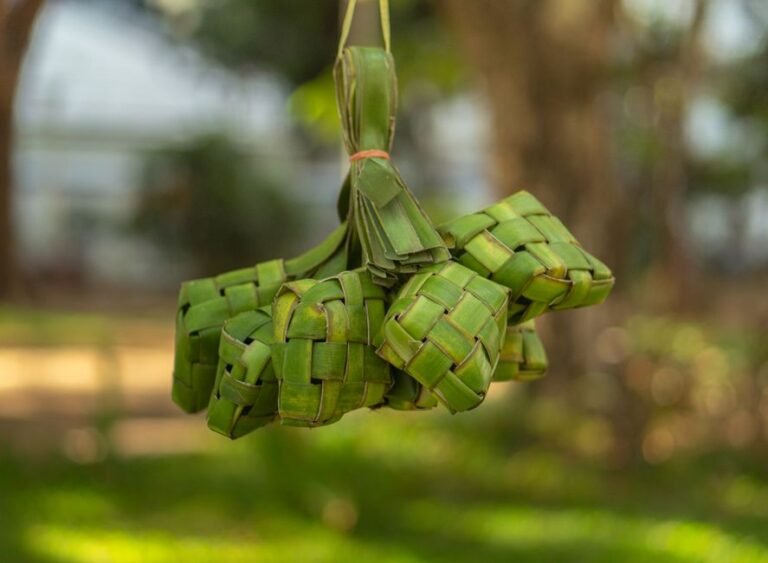
- 4 packets burasa or ketupat, to serve
Directions
- Place the beef ribs in a large stockpot, cover with cold water, and bring to a boil over high heat. Simmer for 5 minutes, then drain and rinse the ribs under cool water to remove all impurities; this step keeps the final broth clear.
- While the ribs parboil, combine the shallots, garlic, candlenuts, coriander seeds, peppercorns, ginger, and galangal in a food processor. Pulse into a coarse paste, adding 1 to 2 tablespoons of water only if needed to help the blades move.
- Return the rinsed ribs to the cleaned pot. Pour in 10 cups of fresh water, then add the spice paste, tied lemongrass, sliced ginger, kaffir lime leaves, salam leaves, and pandan if using. Stir to distribute.
- Bring the pot to a gentle boil, skim any foam that rises, then reduce the heat to the lowest possible setting. Cover and simmer undisturbed for 90 minutes, or until the ribs are fork-tender and the meat begins to pull back from the bone.
- Stir in the strained tamarind liquid and palm sugar. Simmer uncovered for another 15 minutes so the broth concentrates slightly, then taste and season with fine sea salt until the consommé is savory and bright.
- Skim any rendered fat from the surface if you prefer a crystal-clear presentation, leaving just a thin glossy sheen for richness.
- Ladle the broth and ribs into warm bowls, making sure each portion gets at least one or two rib pieces. Shower generously with sliced scallions and crispy fried shallots.
- Serve immediately with lime wedges, sambal on the side, and a packet of burasa or ketupat; guests squeeze lime and add chili paste to taste.
Cook’s Notes
- Parboiling and rinsing the ribs is non-negotiable for the famously clear Makassar-style broth; skipping it produces a cloudy, greasy consommé.
- For deeper beef flavor without cloudiness, swap half the short ribs for beef shank, which adds body to the broth as it gently releases collagen.
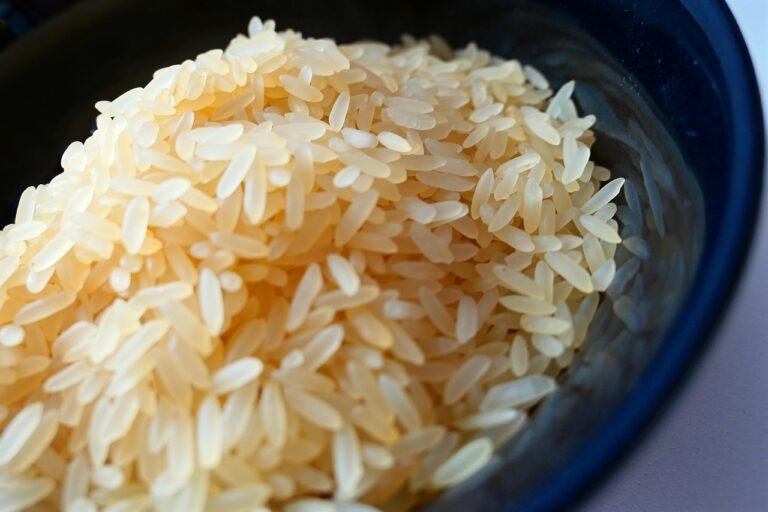
- Burasa (rice cooked in coconut milk and wrapped in young coconut leaves) is the classic Makassar partner; compressed rice cakes (ketupat) are a widely available substitute.
- The broth tastes noticeably better on day two once the spices have fully bloomed, so store meat and liquid separately and reheat gently before serving.
- If the finished broth tastes flat despite salting, a small splash of beef stock or a second pinch of palm sugar will round out the aromatics without darkening the color.