 (No Ratings Yet)
 Loading...
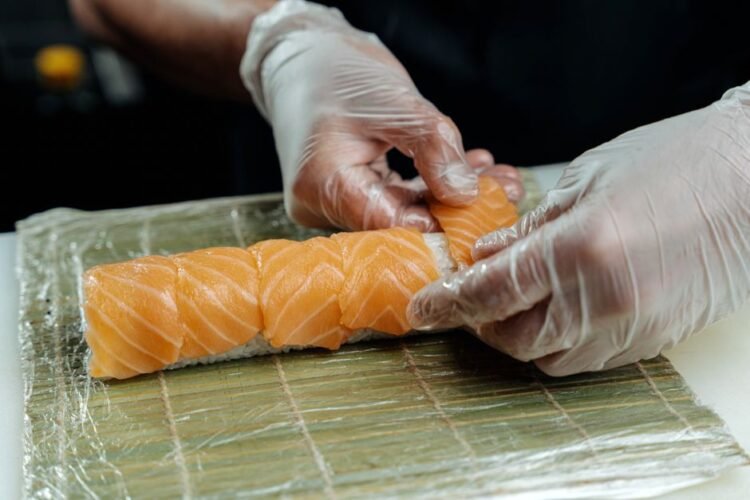
A signature dish of Edo-period Osaka, pressed mackerel sushi layers vinegar-cured saba and seasoned rice in a wooden oshiwaku mold, then cuts it into tidy rectangles. The gentle pressing melds the fish with the rice, giving every bite a perfect balance of tangy, savory, and umami flavors.
Prep Time40 mins
Cook Time25 mins
Total Time65 mins
Servings4
Yield4 servings (about 12 pieces)
Nutrition Facts
Per serving (estimated)
- 385 kcalCalories
- 14 gFat
- 3 gSaturated Fat
- 48 gCarbs
- 1 gFiber
- 5 gSugar
- 18 gProtein
- 720 mgSodium
- 320 mgPotassium
- 35 mgCalcium
- 2 mgIron
- 1 mgVitamin C
- 45 mcgVitamin A
Ingredients
For the sushi rice
- 2 cups (400 g) uncooked short-grain Japanese rice
- 2 1/4 cups (540 ml) cold water
- 3 tablespoons rice vinegar
- 2 tablespoons granulated sugar
- 1 teaspoon fine sea salt
For the cured mackerel
- 2 fresh mackerel fillets (about 8 oz / 225 g), pin bones removed
- 2 tablespoons kosher salt
- 1 tablespoon granulated sugar
- 1/4 cup (60 ml) rice vinegar
- 1 sheet toasted nori, cut to fit the mold
For assembly and serving
- 2 tablespoons toasted white sesame seeds
- 1/4 cup finely chopped pickled ginger (gari)
- 8 small shiso leaves, optional
- Soy sauce, for serving
- Prepared wasabi, for serving
Directions
- Rinse the rice in cold water 4 to 5 times until the water runs nearly clear, then drain and let it sit for 20 minutes. Combine the rice and 2 1/4 cups water in a rice cooker or heavy pot and cook until tender, about 18 to 20 minutes.
- While the rice cooks, make the sushi seasoning by gently heating the rice vinegar, sugar, and salt in a small saucepan just until the sugar and salt dissolve; do not boil. Set aside to cool.
- Prepare the mackerel: rub both sides of the fillets with the kosher salt and sugar, place skin-side up on a plate, and let cure in the refrigerator for 20 minutes. Rinse quickly under cold water, pat dry, and slice diagonally into thin strips about 1/4 inch thick. Pour the 1/4 cup rice vinegar over the slices and let them marinate for 5 minutes, then drain.
- Transfer the hot cooked rice to a wide wooden or glass bowl. Drizzle the sushi seasoning over it and fold gently with a rice paddle using a slicing motion until the rice is glossy and just slightly cooled to body temperature.
- Line the inside of a traditional wooden oshiwaku mold (or a small rectangular loaf pan lined with plastic wrap) with the nori sheet, allowing some to overhang the sides. Press half the rice evenly into the bottom, lay the mackerel slices in a single layer, then top with the remaining rice, pressing gently.
- Place the mold lid on top and press down firmly with steady pressure for 1 to 2 minutes. Remove the lid, lift the block out using the overhanging nori, and place it on a cutting board.
- With a very sharp knife dipped in water and wiped clean between cuts, slice the block into 6 to 8 rectangular pieces. Each piece should reveal neat layers of nori, rice, and fish.
- Arrange the pieces on a plate and garnish with toasted sesame seeds, chopped pickled ginger, and a shiso leaf. Serve immediately with small dishes of soy sauce and wasabi on the side.
Cook’s Notes
- If you do not have a traditional oshiwaku mold, a small loaf pan lined with plastic wrap and weighted with a second pan on top works beautifully.
- For the cleanest slices, wipe the knife blade with a damp cloth between every cut so the rice does not stick and tear the nori.
- Substitute sushi-grade salmon, cooked and peeled shrimp, or smoked trout for the mackerel for a milder flavor.
- Mackerel is best eaten the day it is pressed; the rice firms up if refrigerated, so serve at cool room temperature for the best texture.
- Choose fresh, sushi-grade mackerel with clear eyes and bright silver skin for the cleanest flavor.