 (No Ratings Yet)
 Loading...
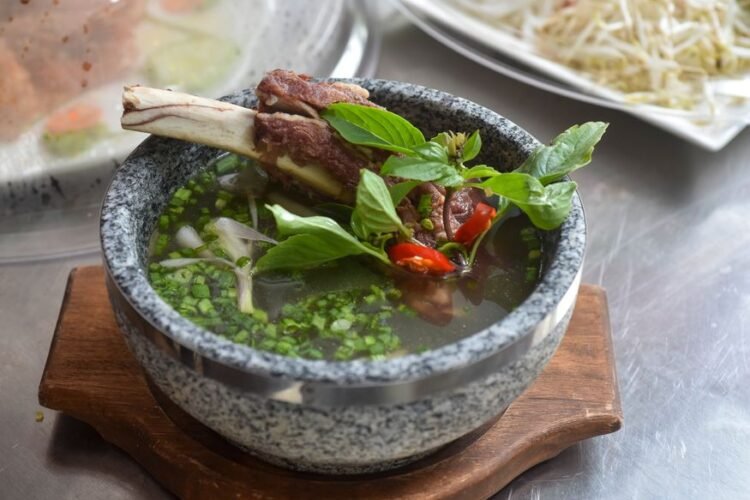
Galbitang is a classic Korean soup built on slow-simmered beef short ribs and a clean, savory broth, brightened with Korean radish and a whisper of aromatics. Unlike the grilled version, this soup comforts with deeply beefy flavor, tender falling-off-the-bone meat, and a pale, nourishing liquid that pairs perfectly with steamed rice.
Prep Time20 mins
Cook Time135 mins
Total Time155 mins
Servings4
Yield4 generous bowls
Nutrition Facts
Per serving (estimated)
- 670 kcalCalories
- 32 gFat
- 12 gSaturated Fat
- 22 gCarbs
- 2 gFiber
- 3 gSugar
- 38 gProtein
- 780 mgSodium
- 720 mgPotassium
- 65 mgCalcium
- 4.5 mgIron
- 14 mgVitamin C
- 45 mcgVitamin A
Ingredients
For the ribs and soaking
- 2.5 lbs bone-in beef short ribs, English-cut about 3 inches long
- 8 cups cold water, plus more for soaking
- 2 tablespoons kosher salt for the soaking water
For the broth aromatics
- 1 large yellow onion, quartered
- 1 whole head garlic, halved crosswise
- 1 inch fresh ginger, peeled and thickly sliced
- 2 whole green onions, ends trimmed
For the soup
- 1 lb Korean radish (mu) or daikon, peeled and cut into 1-inch chunks
- 4 oz sweet potato glass noodles, optional
- 1 tablespoon soy sauce
- 1 teaspoon Korean fish sauce, optional
- 1 1/2 teaspoons kosher salt, plus more to taste
- 1/2 teaspoon freshly ground black pepper
For serving
- 2 green onions, thinly sliced on the diagonal
- 2 teaspoons toasted sesame oil
- 2 hard-boiled eggs, peeled and halved, optional
- Steamed white rice, for serving
Directions
- Soak the short ribs in a large bowl of cold salted water for 1 hour, changing the water once, to draw out blood and keep the broth clear. Drain well.
- Place the ribs in a heavy stockpot, cover with fresh cold water, and bring to a vigorous boil over high heat. Boil for 5 minutes, skimming the gray foam that rises, then drain and rinse the ribs under warm water. Wipe out the pot.
- Return the parboiled ribs to the clean pot along with 8 cups fresh cold water, the quartered onion, garlic head, ginger slices, and 2 whole green onions. Bring to a boil over high heat, then immediately reduce to a bare simmer.
- Skim any remaining foam, partially cover, and simmer gently for 1 hour and 30 minutes, until the meat is tender and pulling cleanly from the bone. Avoid a rolling boil, which clouds the broth.
- Using tongs, remove and discard the softened onion, garlic, ginger, and green onions. Add the Korean radish chunks and continue to simmer uncovered for 25 to 30 minutes, until the radish is translucent and tender when pierced.
- If using glass noodles, soak them in warm water for 10 minutes, then add to the pot during the last 5 minutes of cooking until softened and translucent.
- Stir in the soy sauce, fish sauce, salt, and black pepper. Taste and adjust the salt; the broth should be savory and lightly beefy, not heavy.
- Ladle the soup into large bowls, making sure each gets a short rib and a few pieces of radish. Top with sliced green onions, a drizzle of toasted sesame oil, and half a boiled egg if using. Serve piping hot alongside small bowls of steamed rice and your favorite banchan.
Cook’s Notes
- Soaking the ribs in cold water is the single biggest secret to a clear, golden broth rather than a murky one.
- Ask your butcher for English-cut short ribs (3 to 4 inches long) instead of flanken-style; they simmer into a more spoonable, soup-friendly portion.
- If you are short on time, the soup can be finished in a pressure cooker in about 45 minutes at high pressure after the initial parboil.
- Glass noodles are traditional but optional; skip them for a lighter, more traditional version or substitute with a handful of cooked barley.
- Refrigerate leftover broth separately from the solids; the fat will lift and firm up on top so you can lift it off for a leaner reheat. Broth keeps 4 days refrigerated or freezes well for up to 2 months.