 (No Ratings Yet)
 Loading...
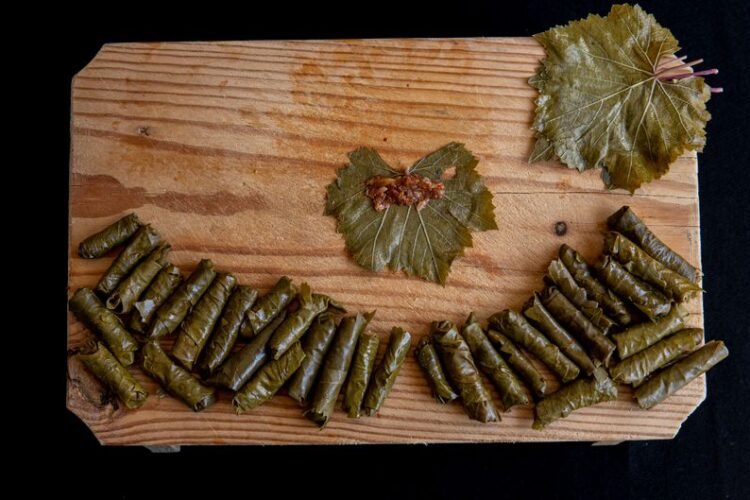
Tender grape leaves wrapped around a fragrant filling of rice, ground lamb, fresh herbs, and warm Middle Eastern spices, then slow-simmered with lemon and broth. These Lebanese stuffed grape leaves are a beloved mezze staple, equally suited as a starter or light main with a squeeze of fresh lemon and a dollop of labneh.
Prep Time30 mins
Cook Time60 mins
Total Time90 mins
Servings6
Yieldabout 36 rolls (6 servings)
Nutrition Facts
Per serving (estimated)
- 385 kcalCalories
- 22 gFat
- 6 gSaturated Fat
- 28 gCarbs
- 2 gFiber
- 3 gSugar
- 18 gProtein
- 620 mgSodium
- 480 mgPotassium
- 60 mgCalcium
- 3 mgIron
- 18 mgVitamin C
- 320 mcgVitamin A
Ingredients
For the grape leaves and filling
- 1 jar (about 60) preserved grape leaves, rinsed and drained
- 1 cup short-grain or basmati rice, rinsed and drained
- 1 lb ground lamb (or lean ground beef)
- 1 large yellow onion, finely chopped
- 2 medium tomatoes, finely diced
- 1/3 cup fresh flat-leaf parsley, finely chopped
- 1/4 cup fresh mint, finely chopped
- 1/3 cup extra-virgin olive oil, plus more for drizzling
For the seasoning and cooking liquid
- 3 tbsp fresh lemon juice, plus more for serving
- 1 1/2 tsp ground allspice
- 1 tsp ground cinnamon
- 1 1/2 tsp fine sea salt
- 1/2 tsp freshly ground black pepper
- 2 cups low-sodium chicken broth or water
- 1 medium potato, sliced 1/4-inch thick (to weight the pot)
Directions
- Rinse the grape leaves under cool water to remove excess brine, then pat dry. Trim any tough stems and set aside; reserve 6-8 torn or imperfect leaves for lining the pot.
- In a large bowl, combine the rinsed rice, ground lamb, onion, tomatoes, parsley, mint, olive oil, lemon juice, allspice, cinnamon, salt, and pepper. Mix by hand until evenly incorporated; the mixture should hold together when pressed.
- Place a grape leaf vein-side up on a clean surface. Spoon about 1 tablespoon of filling near the stem end. Fold the bottom up over the filling, fold in the sides, and roll tightly away from you into a neat cigar shape, about 2 inches long. Repeat with the remaining leaves and filling.
- Line the bottom of a heavy 6-quart pot with the reserved torn grape leaves and the potato slices to prevent scorching. Arrange the rolls seam-side down in tight concentric layers, packing them snugly so they hold their shape.
- Drizzle the assembled rolls with a little olive oil, place an inverted heat-safe plate directly on top to weigh them down, and pour the chicken broth and 2 tablespoons of lemon juice over and around the plate. Bring to a gentle boil over medium-high heat.
- Reduce the heat to low, cover, and simmer for 50-60 minutes, or until the rice is fully tender and the filling is cooked through. Add a splash of water if the liquid evaporates too quickly.
- Remove from heat and let rest, covered, for 10 minutes. Carefully lift the rolls out with a slotted spoon and arrange on a platter, optionally discarding the potato slices.
- Serve warm or at room temperature with extra lemon wedges and labneh or plain yogurt on the side.
Cook’s Notes
- Do not overfill the leaves: rice expands as it cooks, so a heaping tablespoon is plenty per leaf or they may burst during simmering.
- Always weigh the rolls down with an inverted plate while cooking so they stay submerged, hold their shape, and steam evenly rather than unraveling.
- For a vegetarian version, omit the lamb and increase rice to 1 1/2 cups; add 1/2 cup cooked chickpeas for protein and an extra 1/4 cup broth as needed.
- Rolls taste even better the next day after the flavors meld; store covered in the refrigerator for up to 4 days or freeze cooked rolls for up to 2 months.
- If using fresh grape leaves, blanch them for 30 seconds in boiling salted water before rolling to soften and prevent tearing.