 (No Ratings Yet)
 Loading...
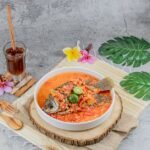
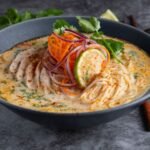
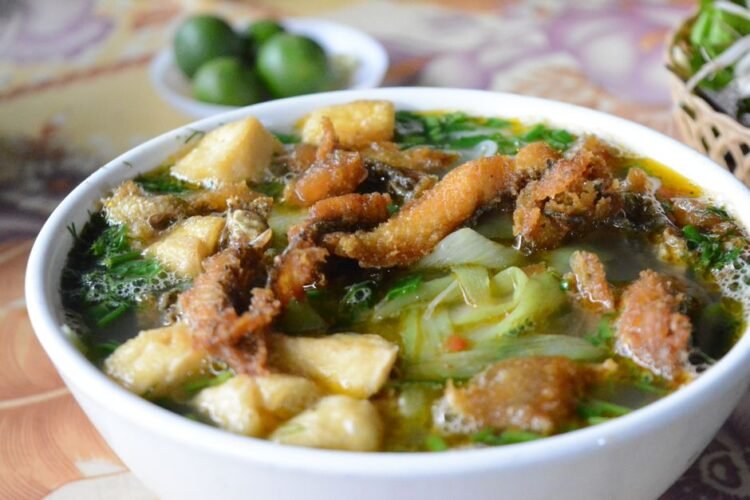
A signature bowl from Penang street vendors, this sour and spicy fish noodle soup is built on a fragrant tamarind broth infused with lemongrass, torch ginger, and laksa leaves. It's ladled over rice noodles and crowned with crisp cucumber, pineapple, mint, and red onion for a bright, bold finish.
Prep Time20 mins
Cook Time35 mins
Total Time55 mins
Servings4
Yield4 servings
Nutrition Facts
Per serving (estimated)
- 480 kcalCalories
- 12 gFat
- 2 gSaturated Fat
- 62 gCarbs
- 5 gFiber
- 9 gSugar
- 30 gProtein
- 720 mgSodium
- 780 mgPotassium
- 120 mgCalcium
- 4 mgIron
- 35 mgVitamin C
- 280 mcgVitamin A
Ingredients
For the spice paste
- 10 dried red chilies, seeded and soaked in warm water 15 minutes
- 4 fresh red chilies, roughly chopped
- 6 shallots, peeled
- 2 stalks lemongrass, white parts only, sliced
- 1 inch galangal, peeled and sliced
- 1 inch fresh turmeric, peeled (or 1 teaspoon ground turmeric)
- 2 tablespoons toasted shrimp paste (belacan)
- 3 candlenuts or macadamia nuts
For the broth
- 500 g whole mackerel or sardines, cleaned
- 8 cups water
- 4 tablespoons tamarind paste (asam jawa) mixed with 1/2 cup warm water, strained
- 2 stalks lemongrass, bruised
- 1 torch ginger flower (bunga kantan), sliced (optional)
- 1 large handful Vietnamese mint or laksa leaves (daun kesum)
- 1 tablespoon palm sugar or brown sugar
- 1 1/2 teaspoons salt, or to taste
For noodles and garnish
- 400 g thick fresh rice noodles (laksa noodles), blanched
- 1 small cucumber, julienned
- 150 g fresh pineapple, finely diced
- 1 small red onion, very thinly sliced
- 2 cups iceberg or cos lettuce, finely shredded
- 1/2 cup fresh mint leaves
- 1 torch ginger flower, thinly sliced (optional)
- 2 limes, cut into wedges
Directions
- Drain the soaked dried chilies and blend them with fresh chilies, shallots, lemongrass, galangal, turmeric, shrimp paste, and candlenuts, adding a splash of water, until a smooth paste forms.
- In a large pot, combine the whole fish with 8 cups water and bring to a gentle boil. Simmer 15 to 20 minutes until the fish is fully cooked and tender, then lift out the fish, let it cool, and flake the flesh, discarding skin and bones. Strain the fish stock.
- Heat 3 tablespoons oil in a skillet over medium heat and fry the spice paste for 6 to 8 minutes until darkened, fragrant, and starting to split from the oil. Add this paste to the strained fish stock along with bruised lemongrass, torch ginger, and tamarind liquid.
- Bring the broth to a boil, then reduce heat and simmer 15 minutes to meld the flavors. Stir in the palm sugar and salt, taste, and adjust the balance of sour and salty as needed. Add the laksa leaves and gently tear them in.
- Return the flaked fish to the broth and simmer just 1 to 2 minutes to warm through; do not boil aggressively or the fish will break down too much.
- Divide the blanched rice noodles among 4 deep bowls. Ladle the hot fish broth and a generous portion of flaked fish over each bowl.
- Top each bowl with shredded lettuce, cucumber, pineapple, red onion, mint leaves, and sliced torch ginger. Serve immediately with lime wedges and a small dish of shrimp paste on the side for those who want extra depth.
Cook’s Notes
- Mackerel gives the most authentic flavor and oily richness, but sardines or even canned mackerel in water work in a pinch; strain and flake before returning to the broth.
- Do not skip Vietnamese mint (laksa leaf); it carries the signature aroma that defines this dish and cannot be replaced by ordinary mint.
- Toast the shrimp paste in a dry pan or wrapped in foil over a flame for 1 to 2 minutes before blending to deepen its savory complexity.
- Balance is everything: add tamarind for tang, palm sugar to round it out, and chilies for heat, tasting as you go until the broth sings with sour-spicy depth.
- Assemble bowls just before serving so the noodles stay springy and the fresh toppings stay crisp.