 (No Ratings Yet)
 Loading...
Sinigang is the Philippines' beloved sour soup, and this version stars taro root (gabi), which gives the broth a velvety body and earthy sweetness that balances the bright tamarind tang. Packed with pork, radish, long beans, and bok choy, it is a one-pot meal that is deeply comforting and naturally gluten-free. Serve it piping hot with jasmine rice and a side of fish sauce for the most authentic experience.
Prep Time15 mins
Cook Time60 mins
Total Time75 mins
Servings6
Yield6 servings
Nutrition Facts
Per serving (estimated)
- 410 kcalCalories
- 22 gFat
- 8 gSaturated Fat
- 18 gCarbs
- 3 gFiber
- 4 gSugar
- 32 gProtein
- 720 mgSodium
- 780 mgPotassium
- 90 mgCalcium
- 3.5 mgIron
- 22 mgVitamin C
- 380 mcgVitamin A
Ingredients
For the pork broth
- 2 lbs pork shoulder or spare ribs, cut into 1.5-inch pieces
- 8 cups cold water
- 1 large yellow onion, quartered
- 2 ripe tomatoes, quartered
- 1 tablespoon fish sauce, plus more for serving
- 1 packet (about 40 g) tamarind sinigang soup mix, or 1/2 cup fresh tamarind pulp soaked in 1 cup warm water
 Pork shoulder
 Yellow onion
 Ripe tomatoes
 Fish sauce
 Tamarind sinigang soup mix
 Taro root
For the vegetables
- 1 lb taro root (gabi), peeled and cut into 1.5-inch chunks
- 1 medium daikon radish (labanos), peeled and sliced into half-moons
- 1/2 lb long beans (sitaw), trimmed and cut into 2-inch lengths
- 8 pieces okra, trimmed
- 1 small bunch baby bok choy or pechay, separated into stalks
- 2 long green chili peppers (siling haba)
- Steamed jasmine rice, to serve
 Daikon radish
 Long beans
 Okra
Okra Baby bok choy
 Siling haba chilies
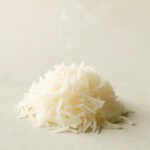 Steamed jasmine rice
Directions
 Place the pork pieces, water, onion, and tomatoes in a heavy stockpot. Bring to a rolling boil over high heat, skimming off any gray foam that rises to the surface for the first 5 minutes.
 Reduce the heat to medium-low, cover, and simmer gently for 40 to 45 minutes, until the pork is fork-tender and the broth is rich and slightly cloudy from the marrow.
 While the broth simmers, soak the peeled taro chunks in a bowl of cold water for 10 minutes to remove excess starch and reduce any itchiness, then drain well.
 Add the drained taro and the sliced radish to the pot and continue to simmer uncovered for 10 to 12 minutes, until the taro is tender when pierced but still holds its shape.
 Stir in the tamarind soup mix (or the strained fresh tamarind liquid) and the fish sauce. Taste the broth and add more tamarind if you want a sharper sour note.
 Add the long beans and okra and simmer for 3 to 4 minutes until just crisp-tender. Gently press a few taro chunks against the side of the pot to release their starch and lightly thicken the soup.
 Tuck in the bok choy and whole chili peppers and cook for only 1 to 2 minutes, just until the leaves wilt and the stalks stay bright green.
 Remove the pot from the heat, cover, and let it rest for 3 minutes so the taro finishes absorbing the broth. Ladle into bowls, making sure each serving has pork, taro, and a mix of vegetables. Serve immediately with steamed rice and a small dish of fish sauce for dipping.
- Store any leftovers (with the taro still in the broth) in the refrigerator for up to 3 days; the soup deepens in flavor overnight as the taro soaks up the tamarind.
Cook’s Notes
- Always wear gloves or coat your hands with cooking oil when peeling taro to avoid skin itchiness from calcium oxalate.
- Fresh tamarind pulp delivers a more layered, fruity sourness than the instant mix; soak it in warm water for 10 minutes, mash with your hands, and strain before adding to the pot.
- Choose pork with bones and a bit of fat for the richest, most traditional broth — boneless lean cuts will taste flat.
- For a heartier meal, add a handful of water spinach (kangkong) at the very end; it wilts in seconds and adds a fresh, peppery note.
- Never simmer sinigang on a hard boil after the tamarind is added — high heat dulls the bright sour flavor and can make the pork tough.


