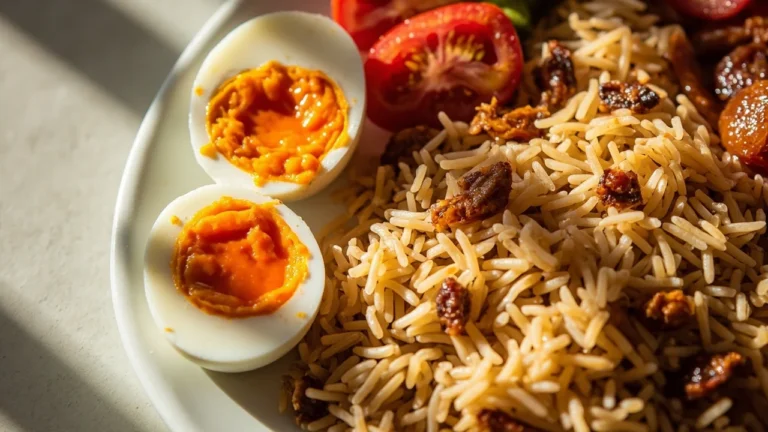
Vigan-style longganisa is a beloved Filipino breakfast sausage from the Ilocos region, famous for its bold, aggressive garlic flavor balanced with a tangy vinegar bite. Made with coarse-ground pork shoulder and stuffed into natural hog casings, these links are pan-fried until crisp on the outside and juicy within. The secret is generous fresh garlic and a short overnight rest so the flavors fully penetrate the meat.
Prep Time30 mins
Cook Time20 mins
Total Time50 mins
Servings4
Yield8-10 links (4 servings)
Nutrition Facts
Per serving (estimated)
- 380 kcalCalories
- 28 gFat
- 9 gSaturated Fat
- 4 gCarbs
- 0 gFiber
- 2 gSugar
- 22 gProtein
- 820 mgSodium
- 380 mgPotassium
- 45 mgCalcium
- 1.5 mgIron
- 4 mgVitamin C
- 15 mcgVitamin A
Ingredients
For the sausage filling
- 1 lb (450 g) ground pork shoulder (about 20% fat)
- 1/2 cup (about 10 cloves) finely minced garlic
- 1/4 cup cane vinegar or white distilled vinegar
- 2 tablespoons soy sauce
- 1 tablespoon brown sugar
- 1 1/2 teaspoons fine sea salt
- 1 1/2 teaspoons freshly ground black pepper
- 1/2 teaspoon annatto or paprika (optional, for color)
 Ground pork shoulder
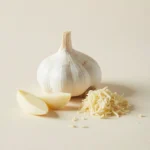 Minced garlic
 Cane vinegar
 Soy sauce
 Brown sugar
 Fine sea salt
 Ground black pepper
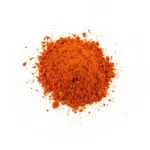 Annatto powder
For stuffing and cooking
- 3-4 feet natural hog casings, soaked in warm water 20 minutes
- 1/4 cup cold water
- 1 tablespoon vegetable oil
- 1/4 cup water for simmering
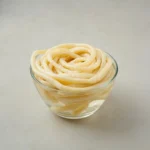 Hog casings
 Cold water
 Vegetable oil
 Water
Directions
 Soak the hog casings in warm water for 20 minutes, then rinse gently and flush water through them to remove salt. Set aside in a bowl of cool water until ready to stuff.
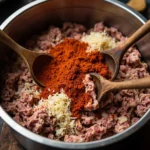 In a large bowl, combine the ground pork, minced garlic, vinegar, soy sauce, brown sugar, salt, pepper, and annatto if using. Pour in the cold water and mix with your hands or a wooden spoon for 3-4 minutes until the mixture becomes slightly sticky and the liquid is absorbed.
 Cover the bowl and refrigerate for at least 2 hours, or preferably overnight, to let the garlic and seasonings meld into the meat.
 Attach one end of a soaked casing to the tip of a sausage stuffer or a wide-mouth funnel. Slide the entire casing onto the nozzle, leaving a 2-inch tail. Pack the chilled filling into the hopper and feed it through slowly, guiding the casing off the nozzle with your other hand so it fills evenly without bursting.
 Once stuffed, twist the sausage into 4-inch links by pinching and rotating. Do not overfill – leave a little slack so the links can plump without splitting. Refrigerate uncovered for 1 hour to dry the casings slightly.
 Heat the vegetable oil in a large skillet over medium-low heat. Add the longganisa links and cook gently for 2-3 minutes per side, turning frequently, until the casings are lightly golden.
 Pour 1/4 cup of water into the skillet, cover, and reduce heat to low. Steam-poach the sausages for 10-12 minutes, turning occasionally, until the water evaporates and the casings crisp up again.
 Transfer to a plate and let rest 2 minutes before serving with garlic fried rice (sinangag) and a fried egg, or tuck into pandesal rolls with a splash of vinegar dipping sauce.
Cook’s Notes
- For the most authentic flavor, always use freshly minced garlic rather than jarred – the Vigan version is famously aggressive with garlic.
- Coarse-grinding your own pork shoulder at home gives better texture than pre-ground pork; ask the butcher to grind it once through a large die.
- Do not skip the overnight rest – the salt and vinegar need time to season the meat deeply and develop the characteristic tangy flavor.
- For a milder version, soak the stuffed links in cold water for 10 minutes before cooking to draw out excess salt from the casings.
- Freeze uncooked links in a single layer on parchment, then transfer to a freezer bag; they keep well for up to 3 months and cook straight from frozen with a few extra minutes in the pan.
More Philippines Recipes You’ll Love
Craving more flavors from Philippines? Try these traditional recipes: