 (No Ratings Yet)
 Loading...
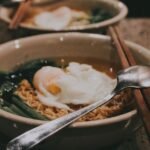
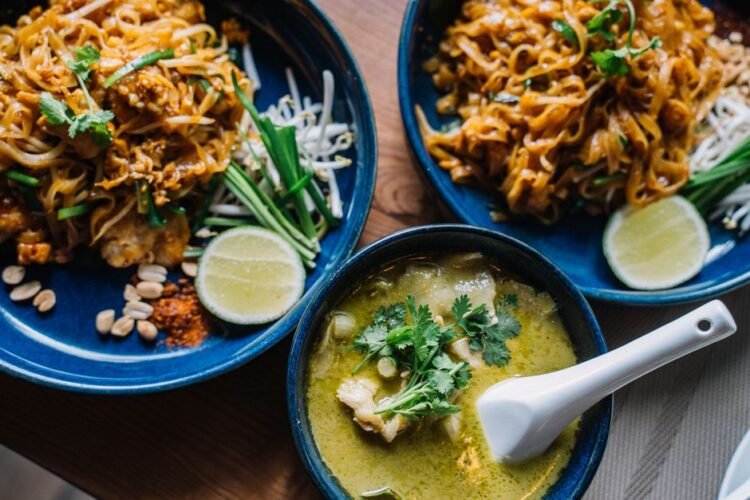
Singapore Coconut Curry Laksa is a beloved Peranakan classic from the Katong neighborhood, built on a deeply aromatic spice paste blended with rich coconut milk. Silky rice vermicelli and tender prawns swim in the fragrant, slightly spicy broth, finished with crisp bean sprouts, cucumber, and a hit of fresh herbs. It is the kind of bowl that warms you from the inside out and captures the soul of Singapore's street-food heritage.
Prep Time25 mins
Cook Time30 mins
Total Time55 mins
Servings4
Yield4 generous bowls
Nutrition Facts
Per serving (estimated)
- 640 kcalCalories
- 32 gFat
- 18 gSaturated Fat
- 56 gCarbs
- 5 gFiber
- 8 gSugar
- 32 gProtein
- 980 mgSodium
- 780 mgPotassium
- 130 mgCalcium
- 5 mgIron
- 18 mgVitamin C
- 120 mcgVitamin A
Ingredients
For the Laksa Spice Paste (Rempah)
- 8 dried red chilies, soaked in warm water for 10 minutes and drained
- 6 large shallots, peeled and roughly chopped
- 4 garlic cloves and a 1-inch piece fresh ginger, peeled
- 2 stalks lemongrass (tough outer leaves removed), thinly sliced, plus a 1-inch piece galangal, peeled
- 1 tablespoon ground coriander
- 1 teaspoon ground turmeric
- 1 tablespoon toasted shrimp paste (belacan), wrapped in foil and grilled 2 minutes
- 3 candlenuts or macadamia nuts
For the Coconut Curry Broth
- 3 tablespoons vegetable oil
- 2 cups full-fat coconut milk
- 4 cups low-sodium chicken stock
- 1 tablespoon palm sugar or light brown sugar
- 2 tablespoons fish sauce, plus more to taste
- 1 teaspoon fine sea salt
For the Proteins and Noodles
- 12 medium prawns, shell-on, deveined
- 2 boneless, skinless chicken thighs (about 8 oz), sliced thin across the grain
- 8 oz fresh rice vermicelli (bee hoon), blanched and divided
- 4 oz fish cake (optional), sliced into thin ovals
For the Garnishes
- 2 cups fresh bean sprouts, briefly blanched
- 1 Persian cucumber, sliced into thin half-moons
- 1 cup fresh laksa leaves (daun kesum) or Vietnamese mint
- 1 lime, cut into wedges
- 2 tablespoons sambal chili paste, for serving
Directions
- Make the spice paste: combine the soaked chilies, shallots, garlic, ginger, lemongrass, galangal, ground coriander, turmeric, grilled shrimp paste, and candlenuts in a food processor. Blend to a thick, smooth paste, adding 2 to 3 tablespoons of water as needed to help it grind.
- Heat the vegetable oil in a large heavy pot over medium heat. Add the spice paste and fry for 6 to 8 minutes, stirring often, until the paste darkens, smells deeply fragrant, and oil begins to separate at the edges.
- Pour in the coconut milk and chicken stock and stir well, scraping up any browned bits from the bottom. Bring to a gentle simmer and add the palm sugar, fish sauce, and salt. Simmer uncovered for 12 to 15 minutes so the flavors meld and the broth turns a deep orange-red.
- Taste the broth and adjust with more fish sauce for savoriness, salt for depth, or a pinch of sugar to balance the heat. Keep at a low simmer while you prepare the proteins.
- Bring a separate pot of lightly salted water to a boil. Drop in the sliced chicken and simmer for 3 to 4 minutes until just cooked through, then add the prawns and cook 1 to 2 minutes until pink and curled. Lift out with a slotted spoon and set aside.
- Divide the blanched rice vermicelli among 4 large deep bowls. Top each with a portion of bean sprouts, fish cake (if using), chicken, and prawns.
- Ladle the hot coconut curry broth generously over the noodles, making sure each bowl gets plenty of the spiced liquid. Pile on the cucumber slices and a generous handful of fresh laksa leaves.
- Serve immediately with lime wedges and sambal chili paste on the side, letting each diner squeeze and stir to their preferred level of heat and brightness.
Cook’s Notes
- Toasting the shrimp paste (belacan) in foil over a flame or dry pan is essential; it blooms the flavor and softens the harsh raw aroma.
- If you cannot find laksa leaves (daun kesum), substitute with a mix of Vietnamese mint and a little Thai basil for a similar citrusy lift.
- For an authentic Katong-style version, snip the noodles into shorter 4-inch lengths with kitchen scissors before serving so they can be eaten with just a spoon.
- Make the spice paste up to 3 days ahead and refrigerate it in a sealed jar; the flavor actually deepens overnight.
- Cockles (see hum) are a classic Singaporean addition; quickly blanch a handful and add them on top if you can find them at the seafood market.