 (No Ratings Yet)
 Loading...
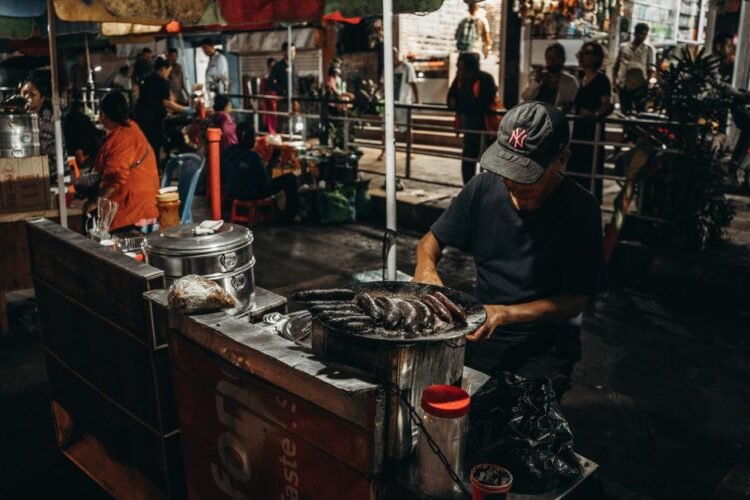
Sundae is a beloved Korean blood sausage, traditionally stuffed with cellophane noodles, rice, and pork blood, then simmered until firm and tender. Served sliced with coarse salt and a savory soybean dipping sauce, it is a popular street food and classic anju paired with soju. This home version uses accessible ingredients while keeping the rich, savory, iron-rich character of the original.
Prep Time30 mins
Cook Time40 mins
Total Time70 mins
Servings4
Yield4 servings (about 8 slices each)
Nutrition Facts
Per serving (estimated)
- 420 kcalCalories
- 22 gFat
- 8 gSaturated Fat
- 35 gCarbs
- 2 gFiber
- 2 gSugar
- 22 gProtein
- 850 mgSodium
- 380 mgPotassium
- 80 mgCalcium
- 8 mgIron
- 4 mgVitamin C
- 45 mcgVitamin A
Ingredients
For the Filling
- 2 oz (55 g) dried cellophane noodles (dangmyeon)
- 1 cup cooked short-grain white rice
- 1/2 lb (225 g) pork shoulder, finely diced
- 1/2 cup firm tofu, crumbled
- 1 cup fresh pork blood, whisked (or 1/2 cup frozen blood, thawed)
- 3 cloves garlic, minced
- 1 tbsp fresh ginger, grated
- 4 green onions, finely chopped
For the Seasonings and Casings
- 2 tbsp soy sauce
- 1 tbsp toasted sesame oil
- 1 tsp kosher salt
- 1/2 tsp freshly ground black pepper
- 2 tbsp toasted sesame seeds
- 2 cleaned natural pork casings or pork intestines, soaked in warm water 10 minutes
For Serving
- 1/4 cup coarse sea salt, for dipping
- 3 tbsp doenjang (Korean soybean paste)
- 1 tbsp toasted sesame oil
- 1 tsp toasted sesame seeds
- Steamed kimchi or cabbage, optional
Directions
- Soak the cellophane noodles in warm water for 20 minutes until pliable, then drain well and chop into roughly 1-inch pieces.
- In a large bowl, combine the chopped noodles, cooked rice, diced pork, crumbled tofu, whisked pork blood, garlic, ginger, and green onions.
- Add the soy sauce, sesame oil, salt, pepper, and sesame seeds to the bowl and mix thoroughly by hand until the blood binds everything into a sticky, cohesive filling.
- Tie one end of each soaked casing securely with kitchen twine, then use a funnel or piping bag to gently stuff the filling into the casings, filling them about three-quarters full to allow for expansion.
- Tie off the open end of each casing and prick any visible air pockets with a needle to prevent bursting during cooking.
- Bring a large pot of water to a gentle simmer over medium heat; lower the stuffed sundae into the water and cook for 35 to 40 minutes, keeping the simmer gentle so the casings do not split.
- Remove the cooked sundae and transfer to a bowl of cold water for 5 minutes to stop the cooking and firm up the texture.
- Whisk the doenjang with the sesame oil to make a smooth dipping sauce and spoon into small individual dishes alongside the coarse salt and extra sesame seeds.
- Slice the cooled sundae into 1/2-inch rounds and arrange on a platter with the dipping sauce, salt, and optional kimchi.
- Serve warm, sprinkling with extra sesame seeds just before eating.
- Refrigerate leftovers up to 3 days; pan-fry slices in a little oil for a crispy exterior.
Cook’s Notes
- Fresh pork blood is available at Korean and Asian butcher shops; frozen blood cubes thaw quickly in warm water and work just as well.
- Do not overstuff the casings since the filling expands as it cooks and can cause the sausage to burst.
- For a Gwangju-style sundae, swap the rice for cooked buckwheat noodles and add a handful of soybean sprouts.
- Leftover sundae is excellent pan-fried until crisp or sliced into soups like budae jjigae and gamjatang.
- If using pork intestines as casings, scrub them thoroughly with salt and vinegar and rinse several times to remove any off-odors before stuffing.