 (No Ratings Yet)
 Loading...
Sri Lankan hoppers are delicate, bowl-shaped pancakes made from a naturally fermented batter of rice flour and fresh coconut milk. Cooked in a small seasoned wok called an appa kadeya, they develop signature lacy, crispy edges and a soft, spongy center. Traditionally served for breakfast or dinner alongside sambol and curry, they are a beloved staple of the island's cuisine.
Prep Time15 mins
Cook Time25 mins
Total Time40 mins
Servings4
Yield8 hoppers (4 servings, 2 each)
Nutrition Facts
Per serving (estimated)
- 320 kcalCalories
- 14 gFat
- 11 gSaturated Fat
- 42 gCarbs
- 2 gFiber
- 4 gSugar
- 5 gProtein
- 380 mgSodium
- 210 mgPotassium
- 45 mgCalcium
- 1.4 mgIron
- 1 mgVitamin C
- 0 mcgVitamin A
Ingredients
For the batter
- 1 cup (120 g) fine rice flour
- 2 tbsp tapioca flour
- 2 cups (480 ml) thick coconut milk
- 1 tsp active dry yeast
- 1 tbsp granulated sugar
- 1/2 tsp fine sea salt
- 3/4 cup (180 ml) warm water (about 105°F)
For cooking and serving
- 2 tbsp vegetable oil, for seasoning the pan
- 1 small red onion, finely sliced (optional, for onion hopper)
- 1 large egg (optional, for egg hopper)
- Lunu miris sambol or curry, to serve
Directions
- In a small bowl, combine the warm water, sugar, and yeast. Stir gently and let sit for 8 to 10 minutes until foamy and activated on top.
- In a large mixing bowl, whisk together the rice flour, tapioca flour, and salt. Pour in the activated yeast mixture and coconut milk, whisking continuously until completely smooth and lump-free. The batter should resemble thin crepe batter.
- Cover the bowl with a clean kitchen towel and let ferment at room temperature for 6 to 8 hours, or place in the refrigerator overnight, until the batter is visibly bubbly, foamy, and slightly tangy.
- When ready to cook, stir the fermented batter gently to release the gas. If it has thickened, whisk in 2 to 4 tablespoons of warm water until it flows easily off a ladle in a thin stream.
- Place a small hopper pan (appa kadeya) or a deep non-stick skillet with sloped sides over medium heat and let it get very hot. Rub a thin film of oil around the inside using half an onion held with a fork or a folded paper towel.
- Pour about 1/4 cup (60 ml) of batter into the center of the hot pan and immediately swirl to coat the sides thinly, creating a bowl shape with lacy edges. Cover with a tight-fitting lid and cook for 1 to 2 minutes until the center is just set and the edges are golden and crisp.
- For egg hoppers, after swirling the batter crack one egg into the center, cover, and cook for about 2 minutes until the white is set but the yolk stays runny. For onion hoppers, scatter a few onion slices over the batter before covering.
- Carefully lift each hopper out with a flat wooden spatula and serve immediately while hot and crisp, accompanied by sambol or your choice of curry.
Cook’s Notes
- Fermenting the batter overnight in the refrigerator develops a deeper tang and a more open, airy texture with better flavor.
- If you don't have a traditional hopper pan, a small non-stick skillet with sloped sides or a deep crepe pan will work, though the bowl shape will be shallower.
- The batter must be quite thin to create the signature lacy crispy edges, so don't hesitate to thin it with extra tablespoons of water before cooking each hopper.
- Always serve hoppers immediately off the heat – they lose their characteristic crispness within just a few minutes.
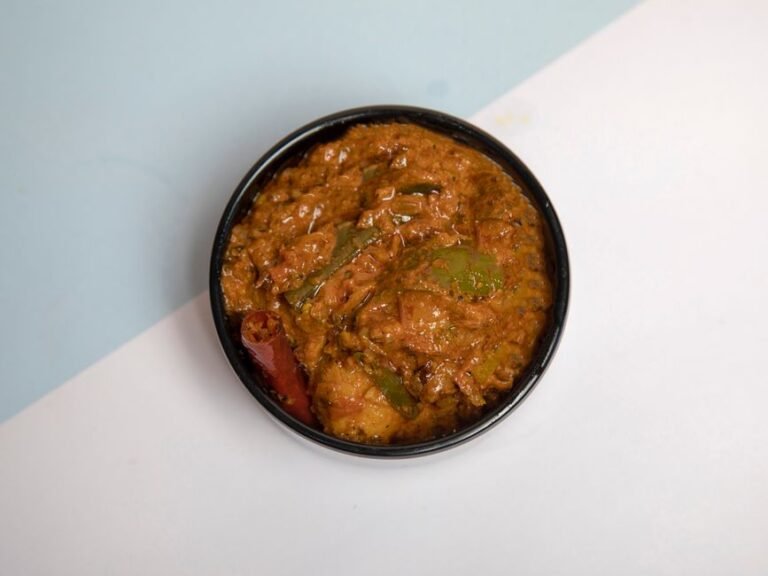
- For traditional Sri Lankan service, pair with lunu miris (a spicy onion-chili sambol) or a slow-cooked coconut milk chicken or fish curry.