 (No Ratings Yet)
 Loading...
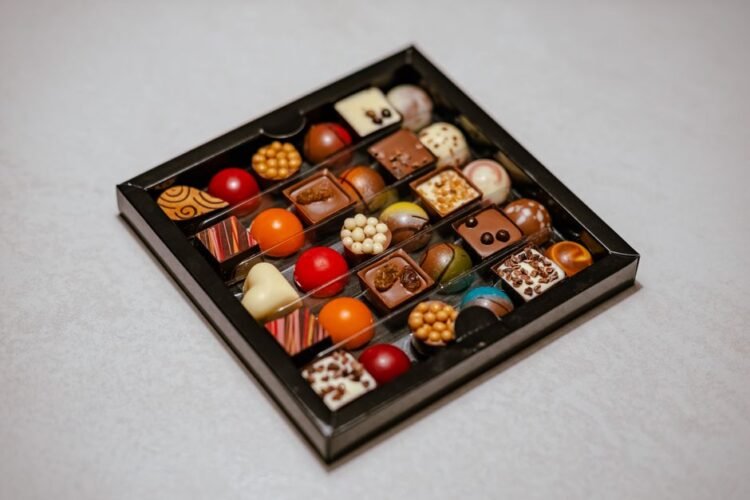
These classic Belgian-style filled chocolates feature crisp, glossy chocolate shells wrapped around a silky dark chocolate ganache. They're the kind of luxurious bite-sized treat you find in every Brussels chocolatier window, and making them at home is far easier than you might think with a few simple techniques.
Prep Time30 mins
Cook Time10 mins
Total Time40 mins
Servings20
Yield20 pralines
Nutrition Facts
Per serving (estimated)
- 115 kcalCalories
- 8 gFat
- 4.5 gSaturated Fat
- 9 gCarbs
- 1.2 gFiber
- 7 gSugar
- 1.5 gProtein
- 12 mgSodium
- 105 mgPotassium
- 15 mgCalcium
- 1.6 mgIron
- 0 mgVitamin C
- 28 mcgVitamin A
Ingredients
For the chocolate shells
- 200 g dark chocolate (70% cacao), finely chopped
- 100 g milk chocolate (40% cacao), finely chopped
- 1 tsp cocoa butter (optional, for easier unmolding)
For the dark ganache filling
- 150 g dark chocolate (70% cacao), finely chopped
- 120 ml heavy whipping cream (35% fat)
- 20 g unsalted butter, softened
- 1 tsp pure vanilla extract
- 1 tbsp unsalted butter, room temperature
- 1 pinch fine sea salt
Optional finishing touches
- 2 tbsp unsweetened cocoa powder, sifted
- 30 g pistachios, very finely chopped
- 50 g white chocolate, melted for drizzling
Directions
- Finely chop the dark chocolate for the ganache and place it in a heatproof bowl. Heat the heavy cream in a small saucepan over medium heat until it just begins to simmer around the edges, then pour it over the chopped chocolate. Let stand for 1 minute without stirring.
- Whisk the cream and chocolate together gently from the center outward until smooth and glossy. Stir in the softened butter, vanilla extract, and salt until fully incorporated. Cover the surface directly with plastic wrap and refrigerate for 45-60 minutes until the ganache is firm enough to pipe.
- Temper your coating chocolate for a glossy, professional finish: melt two-thirds of the dark and milk chocolate together over a double boiler until they reach 45°C, then remove from heat and stir in the remaining one-third until the temperature drops to 27°C. Gently re-warm to 31-32°C for dark or 30-31°C for milk chocolate.
- Spoon about 1 teaspoon of tempered chocolate into each cavity of a clean, dry polycarbonate praline mold. Use the back of the spoon or a small brush to coat the walls completely, then tap the mold firmly on the counter 3-4 times to release any air bubbles. Invert the mold over parchment to drain excess chocolate, then scrape the surface clean with a bench scraper. Let set for 10 minutes in a cool room (18°C).
- Transfer the chilled ganache to a piping bag fitted with a small round tip. Pipe a small dome of ganache into each chocolate shell, filling only three-quarters of the way to leave room for sealing.
- Re-temper your chocolate if it has thickened beyond working temperature. Spoon a thin layer of tempered chocolate over each filled cavity and use a bench scraper to smooth the bottom flat. Tap the mold gently, then refrigerate for 15-20 minutes until fully set and the chocolates release cleanly from the mold with a gentle twist.
- Unmold the pralines by inverting the mold onto a sheet of parchment paper and tapping lightly. Finish by dusting some with cocoa powder, rolling the edges of others in chopped pistachios, or drizzling with melted white chocolate in a zigzag pattern. Let the decorations set before storing.
- Store finished pralines in an airtight container at 14-16°C away from light and moisture for up to 3 weeks. Bring to room temperature 10 minutes before serving so the ganache softens to its ideal silky texture.
Cook’s Notes
- Use polycarbonate molds rather than silicone for the glossiest shells and easiest unmolding; chocolate contracts away from polycarbonate as it sets.
- If you don't want to temper, you can use chocolate couverture that contains cocoa butter and melt it gently to around 45°C then let cool to 31°C; the result is still much better than untempered chocolate.
- Work in a cool, dry kitchen (below 22°C and under 60% humidity) – humidity causes sugar bloom and dull, streaky shells.
- For variety, flavor the ganache with 1 tbsp of coffee, hazelnut praline paste, raspberry puree reduced by half, or a splash of Belgian lambic beer instead of vanilla.
- Always chop chocolate very finely and uniformly so it melts evenly and produces a smooth ganache without graininess.