 (No Ratings Yet)
 Loading...
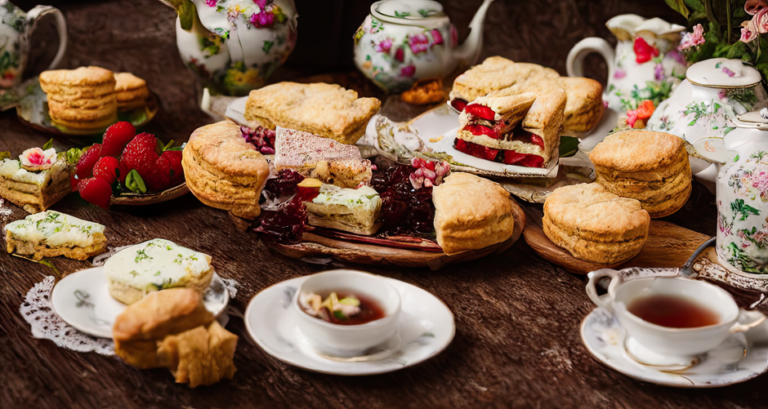
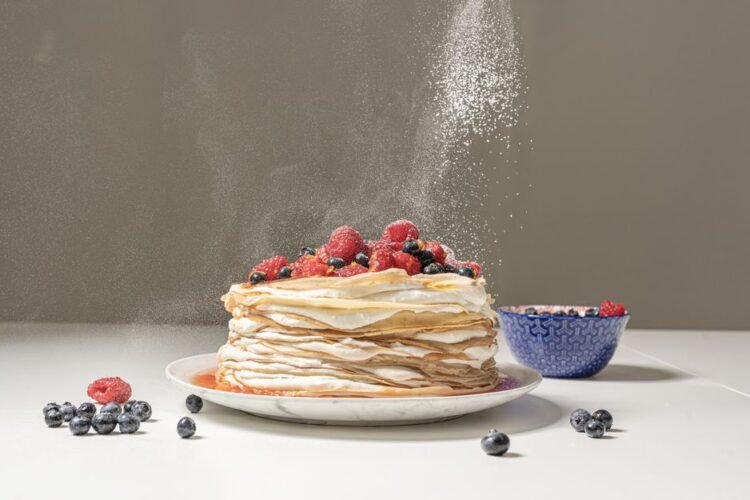
The Victoria Sponge is a quintessentially British afternoon tea cake named after Queen Victoria, who reportedly enjoyed a slice with her tea. Two featherlight vanilla sponges are sandwiched together with raspberry jam and whipped cream, then finished with a generous dusting of powdered sugar. It relies on a beautifully simple equal-weight ratio of butter, sugar, and flour, making it one of the most forgiving classic bakes.
Prep Time20 mins
Cook Time25 mins
Total Time45 mins
Servings8
Yield8 slices
Nutrition Facts
Per serving (estimated)
- 475 kcalCalories
- 26 gFat
- 15 gSaturated Fat
- 55 gCarbs
- 1 gFiber
- 34 gSugar
- 6 gProtein
- 310 mgSodium
- 95 mgPotassium
- 55 mgCalcium
- 1.4 mgIron
- 3 mgVitamin C
- 260 mcgVitamin A
Ingredients
For the sponge
- 225 g (1 cup) unsalted butter, softened to room temperature
- 225 g (1 cup) caster sugar
- 4 large eggs, room temperature
- 225 g (1 3/4 cups) self-raising flour
- 1 tsp baking powder
- 1/2 tsp fine sea salt
- 1 tsp vanilla extract
- 2 tbsp whole milk
For the filling and topping
- 1/2 cup (140 g) seedless raspberry jam
- 150 ml double (heavy) cream
- 1 tsp powdered sugar
- 2 tbsp powdered sugar, for dusting the top
- Handful of fresh raspberries, to garnish (optional)
Directions
- Preheat the oven to 180°C (350°F). Grease two 8-inch (20 cm) round cake tins with butter, line the bases with parchment rounds, and lightly dust the sides with flour.
- In a large mixing bowl, beat the softened butter and caster sugar together with an electric mixer on medium-high speed for 4-5 minutes until very pale, light, and fluffy. Stop once to scrape down the sides of the bowl.
- Beat in the eggs one at a time, adding a tablespoon of the measured flour with each egg to prevent the mixture from curdling. Once incorporated, mix in the vanilla extract.
- Sift the remaining flour, baking powder, and salt over the surface, then gently fold in with a large spatula using a cutting motion. Pour in the milk and fold just until the batter is smooth and no streaks of flour remain – do not overmix.
- Divide the batter evenly between the two prepared tins (about 450 g each) and smooth the tops with an offset spatula. Tap the tins firmly on the counter twice to release any large air bubbles.
- Bake on the middle rack for 22-25 minutes, rotating once at the halfway point, until the tops are golden brown, spring back when gently pressed, and a skewer inserted into the centre comes out clean.
- Cool the cakes in their tins for 10 minutes, then turn out onto a wire rack, peel off the parchment, and let cool completely to room temperature before assembling.
- In a small bowl, whisk the double cream with 1 tsp powdered sugar until it just holds soft peaks. Place one sponge layer upside-down on a serving plate and spread the whipped cream evenly over the top, then spoon and spread the raspberry jam over the cream.
- Sandwich with the second sponge layer (place it top-side up for a neat finish), sift the remaining powdered sugar generously over the top, and scatter with fresh raspberries if using. Slice with a sharp serrated knife and serve within a few hours.
Cook’s Notes
- Always use room-temperature butter and eggs – cold butter will not cream properly and cold eggs can cause the batter to split.
- Caster sugar is worth using here as its fine crystals dissolve more readily than granulated, giving a tender, even crumb.
- For the lightest sponge, avoid opening the oven door during the first 18 minutes of baking, and never overmix once the flour is added.
- Assemble close to serving time so the sponge does not absorb too much moisture from the jam and turn soggy.
- For a more decorative finish, use a doily as a stencil when dusting the powdered sugar, then carefully lift it away.