 (No Ratings Yet)
 Loading...
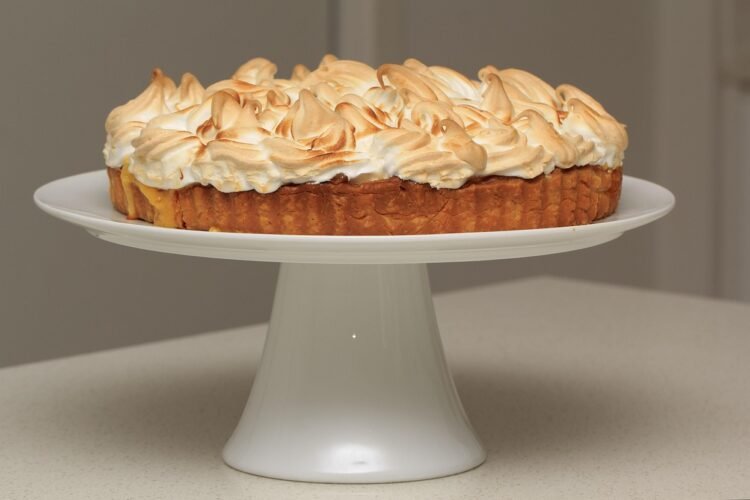
A beloved Lima-born dessert pairing a silky caramel-spiced milk custard with a glossy meringue perfumed with port wine and finished with a dusting of cinnamon. It is rich, aromatic, and just the right amount of indulgent after a savory Peruvian meal.
Prep Time20 mins
Cook Time45 mins
Total Time65 mins
Servings6
Yield6 ramekins (about 1/2 cup each)
Nutrition Facts
Per serving (estimated)
- 420 kcalCalories
- 14 gFat
- 7 gSaturated Fat
- 62 gCarbs
- 0 gFiber
- 58 gSugar
- 11 gProtein
- 110 mgSodium
- 320 mgPotassium
- 280 mgCalcium
- 0.5 mgIron
- 2 mgVitamin C
- 180 mcgVitamin A
Ingredients
For the lime-scented milk custard
- 4 cups whole milk
- 1 cup granulated sugar
- 1 cinnamon stick
- 1 strip lime zest (green layer only)
- 1 vanilla bean, split lengthwise (or 1 tsp vanilla extract)
- 4 large egg yolks
- 2 tablespoons cornstarch
- Pinch of fine salt
For the port wine meringue
- 4 large egg whites, room temperature
- 1/2 teaspoon cream of tartar
- 1 cup powdered sugar, sifted
- 1/4 cup tawny port wine
- 1/2 teaspoon vanilla extract
- Ground cinnamon, for dusting
Directions
- Combine the milk, granulated sugar, cinnamon stick, lime zest, vanilla bean (seeds scraped in), and salt in a heavy saucepan. Bring to a gentle simmer over medium heat, stirring to dissolve the sugar, then reduce heat and cook for 15 minutes to infuse the flavors.
- In a small bowl, whisk the egg yolks with the cornstarch until completely smooth. Slowly ladle about 1/2 cup of the hot milk mixture into the yolks while whisking constantly to temper, then pour the yolk mixture back into the saucepan.
- Cook the custard over low heat, whisking constantly and scraping the bottom, for 10 to 12 minutes until it thickens enough to coat the back of a spoon. Remove from heat, discard the cinnamon stick, lime zest, and vanilla bean, then stir in the vanilla extract if using.
- Divide the custard among six 1/2-cup ramekins or small glass cups, smoothing the tops. Cover with plastic wrap pressed directly onto the surface and refrigerate for at least 3 hours, or until thoroughly chilled and set.
- Make the meringue just before serving: place the egg whites and cream of tartar in a clean, dry bowl. Beat with an electric mixer on medium speed until soft peaks form, then gradually add the powdered sugar, 1 tablespoon at a time, beating on high until stiff, glossy peaks form.
- Fold the port wine and vanilla into the meringue with a gentle hand, keeping as much volume as possible. Spoon the meringue over each chilled custard, swirling it to cover the surface completely and reaching the edges of the ramekin.
- Dust the meringue generously with ground cinnamon. For a toasted finish, briefly run a kitchen torch over the peaks until lightly golden, or place under a hot broiler for 30 to 60 seconds watching carefully. Serve immediately while the custard is cold and the meringue is fresh.
- If not torching, keep the finished desserts refrigerated and serve within 1 hour so the meringue stays billowy and the custard remains cold.
Cook’s Notes
- Use whole milk and patient low-heat cooking for the silkiest custard; rushing the milk will scorch it or curdle the yolks.
- Temper the yolks slowly with hot milk so they do not scramble when added back to the pot.
- Chill the custard base completely before topping so the meringue sits on a firm, cold surface and does not weep.
- A tawny port is traditional; sweet Marsala or pomegranate juice can stand in if port is unavailable, though flavor will shift slightly.
- Serve within an hour of topping for the best textural contrast between cold custard and airy, just-set meringue.