 (No Ratings Yet)
 Loading...
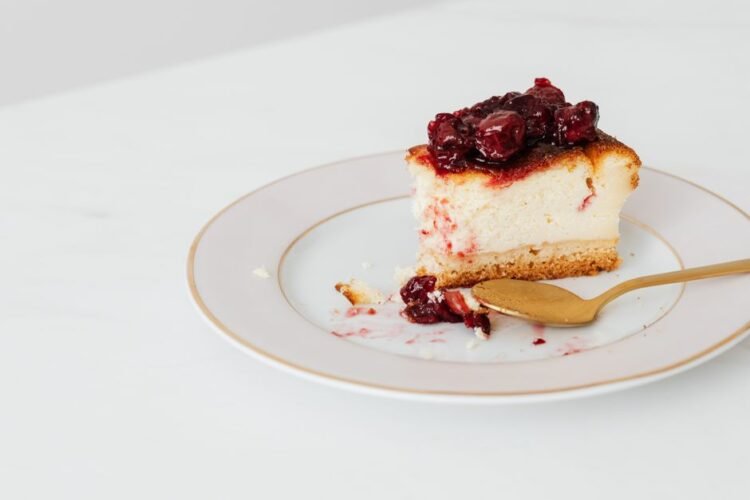
Ostkaka is a traditional baked Swedish farmhouse cheesecake from Skåne made with fresh curd cheese, eggs, and almonds. It has a soft, custard-like texture with delicate golden edges and is traditionally served warm with fruit jam and a cloud of whipped cream.
Prep Time15 mins
Cook Time55 mins
Total Time70 mins
Servings6
Yield6 servings
Nutrition Facts
Per serving (estimated)
- 385 kcalCalories
- 22 gFat
- 12 gSaturated Fat
- 28 gCarbs
- 1 gFiber
- 24 gSugar
- 18 gProtein
- 320 mgSodium
- 220 mgPotassium
- 240 mgCalcium
- 1.2 mgIron
- 1 mgVitamin C
- 820 mcgVitamin A
Ingredients
For the cheesecake batter
- 2 lbs (900 g) fresh whole milk curd cheese or farmer's cheese, well drained
- 4 large eggs, room temperature
- 3/4 cup (150 g) granulated sugar
- 1/2 cup (120 ml) whole milk
- 1/4 cup (30 g) blanched slivered almonds, finely ground
- 2 tablespoons (20 g) potato starch or cornstarch
- 1 teaspoon pure vanilla extract
- 1/4 teaspoon fine sea salt
- Pinch of freshly grated nutmeg
For the water bath and pan
- 2 tablespoons unsalted butter, softened
- 2 tablespoons dry breadcrumbs
- Boiling water, about 1 1/2 inches deep
For serving
- 3/4 cup (180 ml) cold heavy whipping cream
- 1 tablespoon powdered sugar
- 1/2 teaspoon vanilla extract
- 1/2 cup lingonberry jam or strawberry preserves
- Extra toasted slivered almonds for garnish
Directions
- Preheat the oven to 325°F (165°C). Generously butter a 9-inch round cake pan or ceramic baking dish, then dust with breadcrumbs, tapping out the excess. Place the prepared pan inside a larger roasting pan.
- In a large bowl, beat the curd cheese with an electric mixer on medium speed until smooth and creamy, about 2 minutes. Add the eggs one at a time, beating well after each addition, then mix in the sugar, milk, vanilla, salt, and nutmeg until fully combined and silky.
- Fold in the ground almonds and potato starch by hand with a spatula until no streaks remain. The batter should be pourable but thick, like a loose pudding.
- Pour the batter into the prepared pan and smooth the top. Carefully pour boiling water into the outer roasting pan until it reaches about 1 1/2 inches up the sides of the cheesecake pan.
- Bake in the water bath on the middle rack for 50 to 55 minutes, until the edges are set and lightly golden but the center still has a slight jiggle when the pan is gently shaken. The internal temperature should read about 175°F (80°C).
- Carefully lift the inner pan out of the water bath and set it on a wire rack to cool for at least 20 minutes. Ostkaka is classically served warm, but it can also be chilled and reheated briefly.
- While the cake cools, whip the cream with the powdered sugar and vanilla to soft peaks. Warm the lingonberry jam slightly in a small saucepan until just loose and spoonable.
- Slice the cheesecake into wedges and serve warm, topped with a generous spoonful of jam, a dollop of whipped cream, and a sprinkle of toasted almonds.
Cook’s Notes
- True ostkaka requires fresh, full-fat curd cheese (Swedish 'kvarg' or 'keso'). If unavailable, drain 2 cups of plain full-fat Greek yogurt overnight in cheesecloth for a workable substitute.
- A water bath is essential: it prevents the eggs from curdling and gives ostkaka its signature silky, custardy texture rather than a dry or rubbery one.
- Do not overbake. The center should remain slightly wobbly when you remove it; it will firm up as it cools on the rack.
- Lingonberry preserves are the classic Swedish accompaniment, but cloudberry, blueberry, or strawberry jam all work beautifully. Serve the jam slightly warm so it soaks gently into the cake.
- Leftovers keep refrigerated for up to 3 days and can be refreshed in a 300°F oven for 8 to 10 minutes before serving.