 (No Ratings Yet)
 Loading...
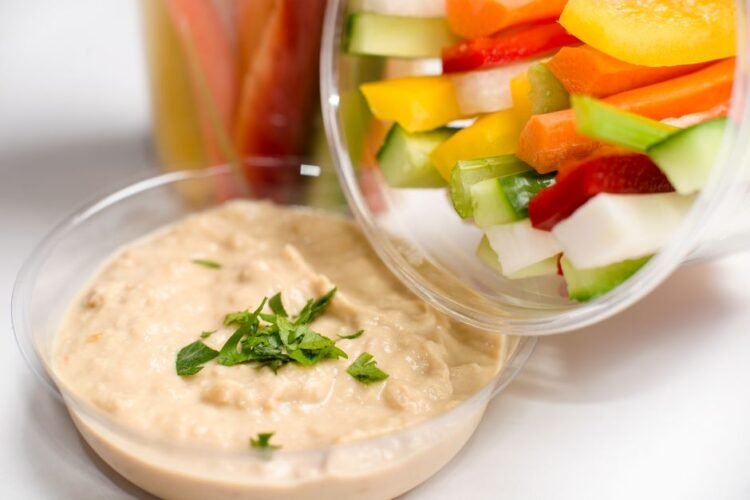
Bagna cauda, meaning "hot bath" in Piedmontese dialect, is a classic warm dip from northwestern Italy built on garlic, salted anchovies, olive oil, and butter. Slowly warmed and kept bubbling over a candle at the table, it is traditionally dunked into with crisp raw vegetables for a rich, savory starter.
Prep Time15 mins
Cook Time25 mins
Total Time40 mins
Servings4
Yield4 servings
Nutrition Facts
Per serving (estimated)
- 460 kcalCalories
- 47 gFat
- 10 gSaturated Fat
- 5 gCarbs
- 2 gFiber
- 1 gSugar
- 5 gProtein
- 720 mgSodium
- 210 mgPotassium
- 60 mgCalcium
- 1 mgIron
- 22 mgVitamin C
- 180 mcgVitamin A
Ingredients
For the Bagna Cauda
- 6 to 8 large garlic cloves, finely minced
- 10 to 12 oil-packed anchovy fillets, drained and roughly chopped
- 1 cup extra-virgin olive oil
- 4 tablespoons unsalted butter
- 2 tablespoons heavy cream (optional, for a rounder flavor)
- Freshly ground black pepper, to taste
- Pinch of red pepper flakes (optional)
For Dipping
- 1 small head radicchio, separated into leaves
- 2 ribs celery, trimmed and cut into sticks
- 1 fennel bulb, trimmed and cut into wedges
- 1 red bell pepper, cored and sliced into strips
- 1 small bunch baby carrots, peeled and trimmed
- 4 endive leaves, separated
Directions
- If you prefer a mellow garlic flavor, place the minced garlic in a small bowl of warm milk for 10 minutes, then drain and pat dry before using.
- In a heavy-bottomed saucepan, combine the olive oil and butter and warm over the lowest possible heat until the butter is just melted.
- Add the minced garlic and cook gently, stirring often, for 6 to 8 minutes until the garlic is soft and fragrant but not browned; high heat will turn it bitter.
- Stir in the chopped anchovies and continue cooking over low heat for 4 to 5 minutes, mashing them with the back of a spoon until they completely dissolve into the oil.
- Whisk in the heavy cream if using, season with black pepper and a pinch of red pepper flakes, and warm through for 2 more minutes; do not let the mixture boil.
- Transfer the bagna cauda to a warm ceramic bowl, fondue pot, or small earthenware dish set over a tea light or small burner to keep it gently bubbling at the table.
- Arrange the prepared raw vegetables on a large platter around the warm dip and invite guests to dip and dunk while the sauce stays hot.
- Stir the sauce occasionally between dips and add a splash of warm olive oil if it thickens too much as it sits.
Cook’s Notes
- Keep the heat very low throughout cooking; bagna cauda should never boil or the garlic will scorch and turn acrid.
- For the most authentic presentation, serve in a traditional Piedmontese fujot (earthenware pot) with a candle or small spirit burner beneath.
- If anchovies are very salty, rinse them briefly under cold water and pat dry before adding to mellow the finished dip.
- Cardoon is the classic dipping vegetable in Piedmont, but trimmed raw artichoke hearts, blanched asparagus tips, or blanched Swiss chard ribs also work beautifully.
- Stir in a teaspoon of lemon juice at the end for a brighter finish if the dip tastes heavy.