 (No Ratings Yet)
 Loading...
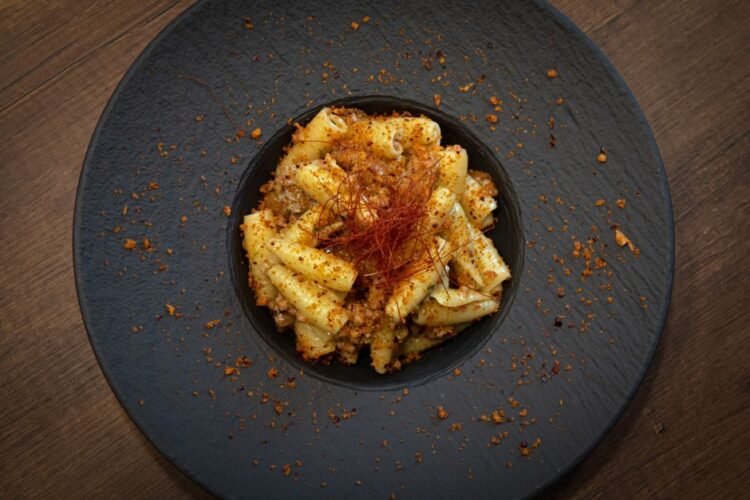
A Roman classic of silky pasta coated in rendered guanciale fat, sharp pecorino, and a generous crack of black pepper. Often called the ancestor of carbonara, it relies on just a handful of ingredients to deliver deeply savory, salty, peppery flavor in under half an hour.
Prep Time10 mins
Cook Time20 mins
Total Time30 mins
Servings4
Yield4 servings
Nutrition Facts
Per serving (estimated)
- 620 kcalCalories
- 28 gFat
- 10 gSaturated Fat
- 62 gCarbs
- 3 gFiber
- 2 gSugar
- 26 gProtein
- 720 mgSodium
- 240 mgPotassium
- 180 mgCalcium
- 2.5 mgIron
- 0 mgVitamin C
- 55 mcgVitamin A
Ingredients
For the pasta
- 14 oz (400 g) rigatoni or spaghetti
- 4 quarts (4 L) water
- 2 tablespoons sea salt
For the sauce
- 6 oz (170 g) guanciale, cut into 1/4-inch (6 mm) batons
- 1 1/4 cups (120 g) freshly grated Pecorino Romano, plus more for serving
- 2 teaspoons freshly cracked black pepper, plus more to taste
Directions
- Bring the 4 quarts of water to a rolling boil in a large pot, add the sea salt, and stir until dissolved.
- While the water heats, add the guanciale batons to a cold large skillet and place over medium-low heat; render slowly for 8 to 10 minutes, stirring occasionally, until the fat has melted and the pieces are bronzed and crisp at the edges. Remove with a slotted spoon and set aside, leaving the rendered fat in the pan.
- Drop the pasta into the boiling water and cook 1 minute shy of the package directions until just shy of al dente; reserve 1 1/2 cups of the starchy pasta water before draining.
- Reduce the skillet heat to low and add the cracked black pepper to the warm guanciale fat, toasting gently for 30 seconds until fragrant.
- Add the drained pasta to the skillet along with about 1/2 cup of the reserved pasta water and toss vigorously over low heat for 1 minute so the pasta drinks the fat.
- Off the heat, sprinkle the grated Pecorino Romano over the pasta in three additions, tossing continuously with a splash of pasta water between each addition until a glossy, clingy sauce forms; add more pasta water a tablespoon at a time if it looks tight.
- Stir the crispy guanciale back in, taste, and adjust salt (the pecorino and guanciale are usually salty enough) and pepper. Serve immediately in warm bowls, topped with extra pecorino and another crack of pepper.
Cook’s Notes
- Guanciale is essential; pancetta or bacon will taste smoky and smoky, while guanciale gives the dish its delicate pork-and-pepper perfume.
- Always reserve more pasta water than you think you need; the starch is the only emulsifier that turns the pecorino into a creamy sauce rather than clumpy cheese.
- Remove the pan from the heat when tossing in the pecorino or the cheese will seize and turn rubbery instead of melting into the sauce.
- Freshly crack the pepper right before cooking; pre-ground pepper loses its bright heat and will not perfume the fat the same way.
- Serve immediately; the sauce tightens quickly as it cools, so have warmed bowls ready before you start tossing.