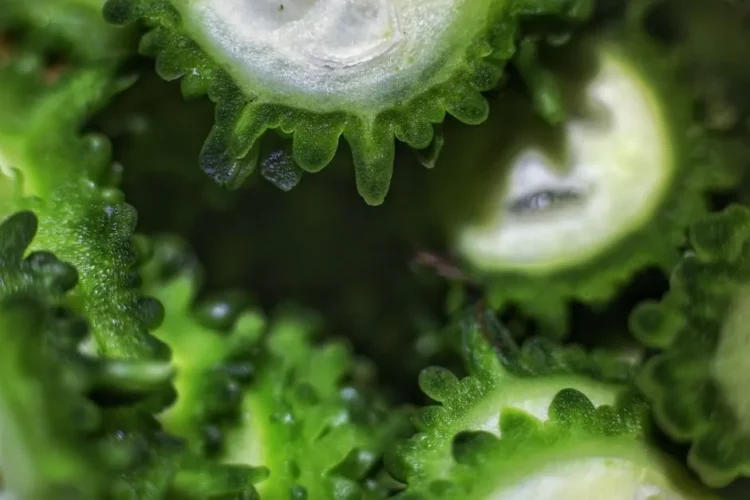
Bitter melon is a tropical climbing vine whose cucumber-shaped, warty green fruits are valued across Asia, Africa and the Caribbean for their distinctive bitter flavor and long history as a folk remedy for blood sugar balance.
History & Origins
Bitter melon is believed to have originated in the Old World tropics, with strong evidence pointing to eastern India and southern China as early centers of cultivation, where it appears in Ayurvedic and traditional Chinese medical texts written more than 600 years ago. From Asia it spread east to the Philippines and Okinawa and west through the spice routes, while African slaves later carried it to the Caribbean and parts of South America, where it became a fixture of Creole and Brazilian cooking.
Nutrition Facts
Per 100 g, edible portion (estimated)
- 17 kcalCalories
- 1.0 gProtein
- 0.17 gFat
- 3.7 gCarbs
- 2.8 gFiber
- 1.2 gSugars
- 296 mgPotassium
- 84 mgVitamin C
- 24 mcgVitamin A
Culinary Uses
- Stir-fried with egg, garlic and fermented black beans in southern Chinese and Filipino (ampalaya) cooking
- Stuffed, spiced and shallow-fried as karela bhaji in Indian home cooking
- Braised with pork, tofu and bonito in Okinawan gōyā champūru
- Simmered in bitter melon soup with pork ribs and dried scallops in Cantonese households
- Juiced or steeped as a traditional tonic across South and Southeast Asia
Known Benefits
- Rich source of vitamin C and provitamin A carotenoids
- Provides dietary fiber and supports digestive regularity
- Low glycemic index and traditionally used to help moderate post-meal blood sugar spikes
- Contains polyphenols and flavonoids with antioxidant activity
Hidden Benefits
- Holds charantin, polypeptide-p and vicine, plant compounds studied for insulin-like glucose-lowering effects
- Provides momordicin and cucurbitane-type triterpenoids under investigation for anti-proliferative activity against certain cancer cell lines
- Contains a 30-residue lectin with reported in-vitro anti-HIV activity
- Naturally supplies L-tryptophan and zinc, both linked to mood and immune support
Cautions & Considerations
- May potentiate diabetes drugs and provoke hypoglycemia in sensitive individuals
- Traditionally avoided during pregnancy because alkaloid compounds may stimulate uterine contractions
- Contains vicine, which can trigger hemolytic favism in people with G6PD deficiency
- Mature fruits turn extremely bitter and red-tinged and should not be eaten raw once ripe





