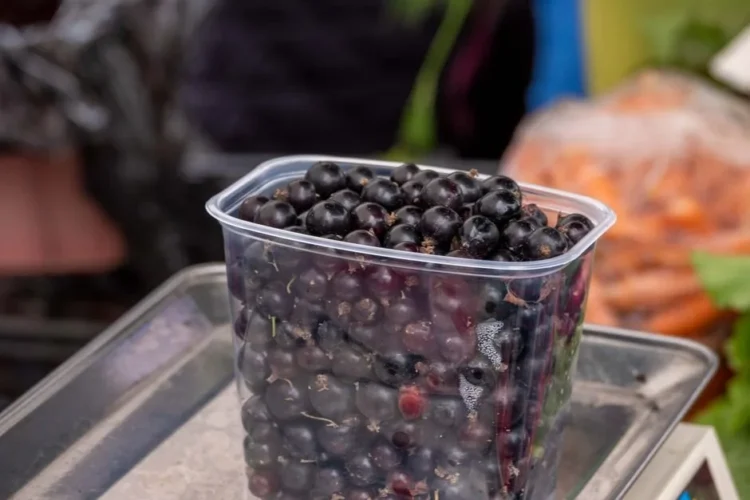
Blackcurrant is a small, glossy, deep-purple berry borne in dangling clusters on a hardy deciduous shrub of the family Grossulariaceae. It is prized for its intensely tart, resinous flavor and exceptional vitamin C density, far surpassing oranges on a per-weight basis.
History & Origins
The blackcurrant has been gathered from the wild and cultivated in northern and eastern Europe since at least the Middle Ages, with monastery gardens and Russian peasant plots favoring it for its winter hardiness. Commercial cultivation expanded dramatically in 20th-century Britain, where Ribena-style cordials became iconic, while in the United States federal and state bans from the early 1900s to 2003 (out of concern over white pine blister rust) suppressed production almost entirely.
Nutrition Facts
Per 100 g, edible portion (estimated)
- 63 kcalCalories
- 1.4 gProtein
- 0.4 gFat
- 15.4 gCarbs
- 4.3 gFiber
- 7.4 gSugars
- 322 mgPotassium
- 181 mgVitamin C
- 230 IUVitamin A
Culinary Uses
- Cassis liqueur and other berry spirits
- Cordials, syrups and diluted fruit drinks
- Jams, jellies and preserves
- Pies, crumbles, fools and summer puddings
- Ice cream, sorbet and yogurt purées
- Savory sauces for game and lamb
Known Benefits
- Exceptionally high in vitamin C (about three times that of an orange by weight)
- Rich in anthocyanin antioxidants that give the fruit its deep purple color
- Provides immune-supportive and anti-inflammatory polyphenols
- Good source of potassium and iron for circulatory health
Hidden Benefits
- Contains gamma-linolenic acid (GLA), an omega-6 fatty acid uncommon in fruits, valued for skin and joint health
- High in rutin and other flavonoids linked to reduced eye fatigue and improved vascular function
- Polyphenol content may enhance post-exercise recovery by reducing oxidative stress
Cautions & Considerations
- Dark pigmented skins and seeds contain trace cyanogenic glycosides; consumption in normal dietary amounts is considered safe
- Coumarin-like compounds may potentiate anticoagulant medications such as warfarin
- Concentrated juices and cordials are high in added sugar when commercially produced





