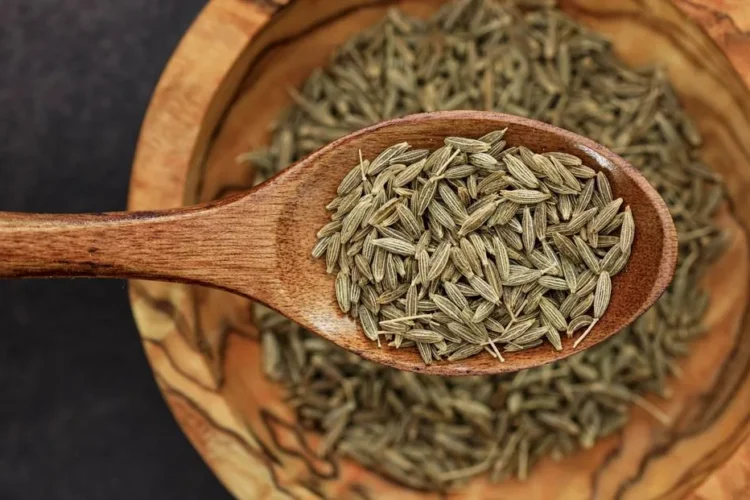
Cumin seeds are the dried, aromatic fruits of a small annual umbellifer whose warm, earthy, slightly bitter flavor is foundational to the spice cabinets of South Asia, the Middle East, North Africa, Mexico, and the Mediterranean. The seeds are typically toasted or bloomed in fat to release their volatile oils before being ground or used whole.
History & Origins
Cumin is one of the oldest known cultivated spices, with archaeological finds in Syrian and Egyptian sites dating to roughly 2000 BCE and remains reported in the tomb of Pharaoh Tutankhamun. It is mentioned repeatedly in the Bible and in classical Greek and Roman texts, where it served both as a culinary seasoning and a medicine prescribed for indigestion. After the fall of Rome, Arab traders carried cumin across the Indian Ocean, where it was naturalized into the subcontinent's culinary repertoire and remains, alongside coriander, the most heavily consumed spice in India today.
Nutrition Facts
Per 100 g, edible portion (estimated)
- 375 kcalCalories
- 17.8 gProtein
- 22.3 gFat
- 44.2 gCarbs
- 10.5 gFiber
- 2.3 gSugars
- 1788 mgPotassium
- 931 mgCalcium
- 66.4 mgIron
- 366 mgMagnesium
- 7.7 mgVitamin C
- 64 mcgVitamin A
Culinary Uses
- Bloomed whole in ghee or oil as the opening tempering (tadka/chaunk) for Indian dals, curries, and rice dishes
- Toasted and ground as a key component of Mexican chili powders, adobos, and taco seasonings
- Combined with coriander and chili in classic garam masala and Middle Eastern baharat blends
- Brewed into tisanes and infused into spirits such as kümmel and aquavit in Northern Europe
Known Benefits
- Stimulates digestive enzyme secretion and relieves bloating and gas
- Exceptionally rich dietary source of iron for hemoglobin synthesis
- Provides apiol and cuminaldehyde, compounds with demonstrated antimicrobial activity
Hidden Benefits
- May enhance insulin sensitivity and modestly lower fasting blood glucose in type 2 diabetics
- Anti-inflammatory action linked to inhibition of COX-2 and NF-κB pathways in preliminary studies
- Possible lipid-lowering effect by reducing hepatic cholesterol synthesis in animal models
Cautions & Considerations
- Large culinary doses may interact with antidiabetic drugs, potentiating hypoglycemia
- Pregnant women should limit medicinal quantities as cuminaldehyde can stimulate uterine contractions
- Topical use of essential oil can cause photosensitivity and contact dermatitis in sensitive individuals