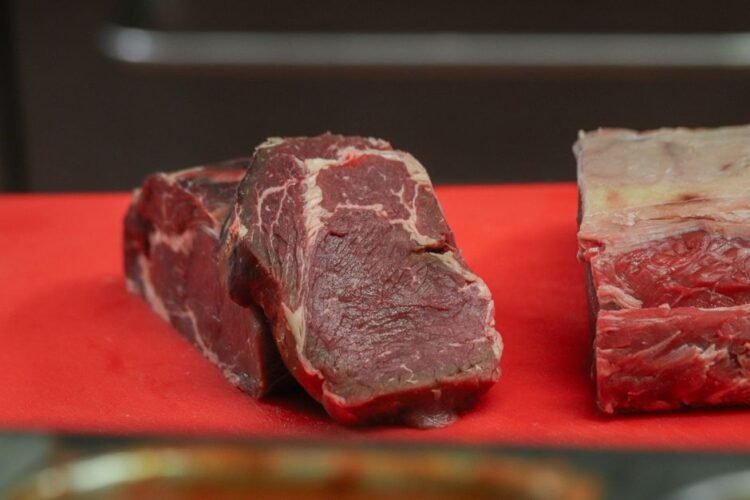
Elk is a large cervid game meat prized for its lean, tender, and slightly sweet red meat that offers a robust, venison-like flavor with a finer texture than deer.
History & Origins
Elk have been a vital food source for Indigenous peoples of North America for thousands of years, providing sustenance through hunting and preservation techniques such as drying and smoking. Following European colonization, elk populations declined dramatically due to unrestricted hunting and habitat loss, though conservation efforts in the early 20th century helped stabilize numbers. Today, elk are farmed in controlled operations and harvested from wild herds in regions like Wyoming, Montana, and Alberta, making their meat more accessible to consumers seeking game meats. The meat gained popularity in gourmet and farm-to-table cuisine during the late 20th century as chefs sought alternative red meats with lower fat content.
Nutrition Facts
Per 100 g, edible portion (estimated)
- 137 kcalCalories
- 71 gWater
- 26 gProtein
- 2.5 gFat
- 1 gSaturated Fat
- 0 gCarbs
- 0 gFiber
- 0 gSugars
- 370 mgPotassium
- 5 mgCalcium
- 3.4 mgIron
- 28 mgMagnesium
- 0 mgVitamin C
- 0 mcgVitamin A
- 1.5 mcgVitamin K
- 35 mcgFolate
Culinary Uses
- Grilled elk steaks served with red wine reduction or berry sauces
- Elk burgers and sausages seasoned with herbs like rosemary and thyme
- Slow-braised elk shoulder or shanks in stews and chilies
- Elk roasts marinated and roasted low-and-slow for tenderness
- Elk carpaccio or tartare as an elegant appetizer
Known Benefits
- Extremely high-quality lean protein with all essential amino acids
- Rich in iron (heme iron) supporting healthy blood oxygenation
- Lower in fat and calories compared to conventional beef
- Excellent source of B vitamins, particularly B12 for nerve function
- No artificial growth hormones or antibiotics when sourced from wild herds
Hidden Benefits
- Contains conjugated linoleic acid (CLA) with potential anti-inflammatory properties
- Higher omega-3 to omega-6 fatty acid ratio than grain-fed beef
- Contains creatine supporting muscle energy and brain function
- Good source of zinc for immune system modulation
- Gluten-free and paleo/dietary-compatible protein source
Cautions & Considerations
- Can trigger allergic reactions in individuals with red meat or cetacean allergies
- Overconsumption may contribute to purine buildup, a concern for those with gout
- Must be cooked thoroughly to eliminate potential parasites from wild-caught elk
- High iron content may be problematic for individuals with hemochromatosis
- Game meat may have a stronger taste that some consumers find unfamiliar