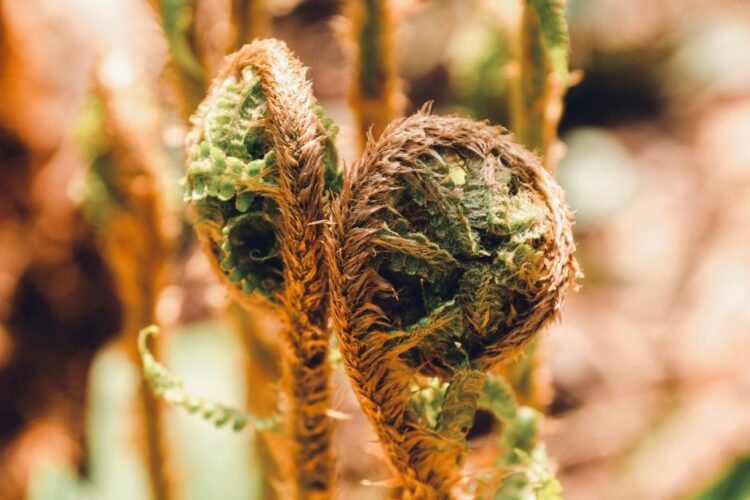
Fiddlehead ferns are the tightly coiled young fronds of the ostrich fern, harvested in early spring and prized for their earthy, slightly bitter flavor and unique spiral appearance.
CategoryVegetables
Scientific nameMatteuccia struthiopteris
OriginEastern North America, parts of Europe and Asia
History & Origins
Fiddlehead ferns have been a staple wild food for Indigenous peoples across northeastern North America for thousands of years, often gathered in tandem with other spring greens. European colonists adopted them as a seasonal delicacy, and by the 19th century they were featured in regional cookbooks throughout New England and Atlantic Canada. Today they remain a celebrated springtime ingredient in rural and gourmet cuisine alike, though their short harvest window keeps them relatively niche.
Nutrition Facts
Per 100 g, edible portion (estimated)
- 60 kcalCalories
- 83 gWater
- 0.8 gProtein
- 0.4 gFat
- 0.1 gSaturated Fat
- 15 gCarbs
- 1.6 gFiber
- 14 gSugars
- 168 mgPotassium
- 11 mgCalcium
- 0.2 mgIron
- 10 mgMagnesium
- 36 mgVitamin C
- 54 mcgVitamin A
- 4 mcgVitamin K
- 43 mcgFolate
Culinary Uses
- Sautéed in butter with garlic and lemon zest
- Pickled as a tangy condiment for charcuterie boards
- Added to risottos or pastas for a spring twist
- Steamed and served as a side dish with hollandaise
- Folded into omelets or frittatas
- Used in soups and stews where they absorb broth flavors
Known Benefits
- Rich in antioxidants, particularly lutein and zeaxanthin, which support eye health
- High in vitamin C, contributing to immune function and collagen synthesis
- Good source of dietary fiber, promoting digestive regularity
- Contains potassium, which helps regulate blood pressure
Hidden Benefits
- Contains omega-3 fatty acids (alpha-linolenic acid) uncommon in most vegetables
- Provides prebiotic fibers that support beneficial gut microbiota
- High folate content aids in cell division and DNA synthesis, beneficial during pregnancy
- Contains unique phytochemicals (e.g., pterosins) under study for anti-inflammatory properties
Cautions & Considerations
- Must be cooked thoroughly; raw fiddleheads contain compounds that may cause mild gastrointestinal upset
- Harvest from areas free of pesticide or herbicide exposure, as ferns can accumulate toxins
- Not recommended for individuals with known allergies to other fern species or related plants
- Overconsumption may cause digestive discomfort due to high fiber content