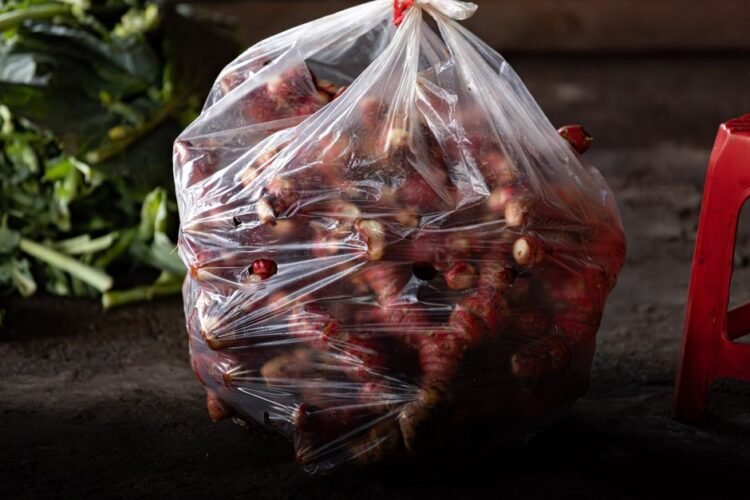
Galangal is a rhizome from the Zingiberaceae family, closely related to ginger, featuring a sharp, citrusy, and slightly piney flavor that distinguishes it in Southeast Asian, Indonesian, and Caribbean cuisines.
CategorySpices
Scientific nameAlpinia galanga
OriginSoutheast Asia (Indonesia, Malaysia, Thailand)
History & Origins
Galangal has been cultivated in Southeast Asia for over a millennium, with records dating to ancient Javanese texts from the 9th century. It spread along trade routes to India, the Middle East, and later to Europe, where it was used in medieval cooking before being largely replaced by ginger.
Nutrition Facts
Per 100 g, edible portion (estimated)
- 70 kcalCalories
- 1.4 gProtein
- 0.5 gFat
- 15 gCarbs
- 2.0 gFiber
- 1.8 gSugars
- 250 mgPotassium
- 12 mgVitamin C
- 0 mcgVitamin A
Culinary Uses
- Used in Thai curries and soups such as tom yum
- Ground into pastes for Indonesian and Malaysian cooking
- Thinly sliced and fried as crispy garnishes
- Infused in spirits and liqueurs in Caribbean cooking
- Used in pickling and marinades for its robust flavor
Known Benefits
- Contains anti-inflammatory compounds like galangin
- Supports digestive health and reduces nausea
- Has antimicrobial properties against certain bacteria
- Rich in antioxidants that combat oxidative stress
Hidden Benefits
- May have anti-cancer properties shown in preliminary cell studies
- Contains compounds that may support blood sugar regulation
- Traditionally used to support respiratory health
- May have mild analgesic effects in traditional medicine
Cautions & Considerations
- May interact with blood-thinning medications due to anticoagulant properties
- High doses may cause stomach upset in sensitive individuals
- Not recommended in large amounts during pregnancy
- May lower blood sugar levels – caution for diabetics on medication